


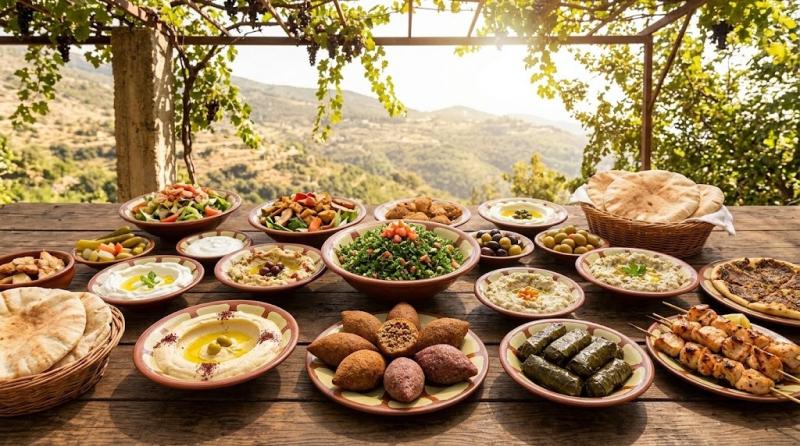
Lebanese cuisine is renowned for its diverse preparation and presentation methods. Even the same dishes may have different recipes from region to region. The tabbouleh and kibbeh are prime examples, enjoying a notable presence in Lebanese cuisine with various types and preparations. So, what are the most famous Lebanese dishes worth trying, and what makes each dish unique?
Lebanese Dishes Worth Trying:
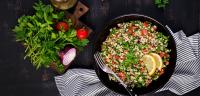
Lebanese Tabbouleh
Tabbouleh is at the forefront of dishes associated with Lebanese cuisine. It's a salad primarily based on finely chopped parsley, complemented with tomatoes, mint, onions, and bulgur. It's typically seasoned with lemon juice, olive oil, salt, and pepper.
Known for its lightness and refreshing flavor, tabbouleh is a staple on the Lebanese table, whether as part of a mezze spread or alongside main dishes. Its preparation and seasoning vary from region to region, adding diversity that reflects Lebanon's dietary customs.
Lebanese Kibbeh
Kibbeh is one of the most famous and varied Lebanese dishes. It primarily consists of a blend of minced meat, bulgur, and spices, with fillings and cooking methods varying by recipe and region.
Kibbeh isn't limited to a single form; it can be fried, grilled, baked, or boiled. There are even vegetarian recipes instead of meat. Varieties differ between Lebanese areas, with specific types associated with distinct towns and villages, making kibbeh an essential part of discovering Lebanon's regional culinary diversity.

Fattoush
Fattoush offers a unique experience for salad lovers, combining fresh vegetables with crispy or fried bread pieces and a distinctive seasoning.
This dish is characterized by diverse ingredients and can easily be served alongside other dishes, representing the Lebanese table's reliance on vegetables, herbs, and seasonal ingredients.
Stuffed Vine Leaves
Stuffed vine leaves are a renowned dish in Lebanon and the region, made from grape leaves filled with rice, herbs, and spices. Some recipes include meat.
Preparing stuffed vine leaves requires time and precision in wrapping, arranging, and cooking, often linked to family meals and gatherings in many Lebanese homes, served hot or at room temperature depending on the recipe.
Mujaddara
Mujaddara is a traditional Lebanese dish that is simple yet nutritious, primarily consisting of lentils, rice or bulgur, and onions.
Caramelized onions are a standout element, adding a strong, distinctive flavor. Mujaddara is served as a main dish or alongside salads and appetizers, offering a vegetarian-friendly option with Lebanese flavors.
Manakish
No list of famous Lebanese dishes is complete without Manakish, a staple in daily Lebanese life, made from dough baked with various toppings, notably za'atar, cheese, or meat.
Suitable for breakfast or snacks, Manakish comes in numerous varieties depending on the toppings, providing a glimpse into a simple, popular side of Lebanese cuisine, separate from traditional dishes often tied to special occasions.
Raw Kibbeh
Unlike cooked kibbeh, raw kibbeh is prepared using fresh raw meat, bulgur, spices, and aromatic ingredients, served cold as part of a mezze spread.
This dish ties to specific food traditions, so it's crucial to enjoy it in reputable places that adhere to cleanliness and safe handling of raw meats.
Stuffed Dishes
The Lebanese table includes a wide variety of stuffed dishes, prominently featuring stuffed grape leaves and zucchini, utilizing stuffed or wrapped vegetables with rice and spices, sometimes incorporating meat in certain recipes.
These dishes require time for preparation and cooking, making them especially present in feasts and family gatherings. Each home’s recipe variations highlight the small differences that distinguish Lebanese home cooking.
Lebanese Grills
Grills hold a significant place in Lebanese cuisine, encompassing various marinated and grilled meats and chicken, alongside kebabs and shish tawook.
Grills are often served with hummus, moutabbal, salads, pickles, and bread, creating a comprehensive meal that merges grill flavors with famous Lebanese appetizers.
Moutabbal
Moutabbal is a celebrated Lebanese appetizer, primarily relying on grilled eggplant, tahini, lemon juice, and garlic.
Characterized by the smokey flavor of eggplant and its creamy texture, it's commonly served alongside Arabic bread and other appetizers, resembling some mezze dishes but retaining its uniquely eggplant-tahini-based taste.
Fatteh
Lebanese cuisine features diverse fatteh types, generally combining bread with chickpeas or other ingredients with yogurt, tahini, and spices.
Fatteh's ingredients vary by recipe and region, serving as either a main dish or part of a larger meal spread. Toasted or fried bread gives the dish its distinctive texture, while yogurt-tahini sauce enriches its flavor.
Rice with Chicken or Meat
The Lebanese table features several rice recipes served with chicken or meat, nuts, and spices, varying in preparation based on the dish and occasion but unified by aromatic seasonings and spices imparting a rich character to the rice.
These dishes often appear at feasts and family gatherings, accompanied by salads, appetizers, and pickles.
Why Lebanese Cuisine Stands Out?
The appeal of Lebanese cuisine lies in its variety and ability to provide a comprehensive meal from a modest or abundant assortment of dishes. A spread might begin with tabbouleh, fattoush, hummus, and moutabbal, followed by grills or cooked dishes, and concluded with traditional sweets.
Regional differences further enhance the cuisine's diversity, with local recipes relying on each area's available products and inherited traditions.
Which Lebanese Dishes Should You Try First?
If visiting Lebanon for the first time and wanting to discover its iconic local flavors, start with tabbouleh, hummus, fattoush, and moutabbal as appetizers, then try kibbeh, grilled dishes, and manakish as main dishes or hearty meals, ensuring to leave room for a traditional Lebanese dessert.
The best experience goes beyond trying a single dish, as part of the joy of Lebanese cuisine is in presenting multiple small dishes on the table and sharing food, offering visitors a chance to sample different flavors within the same meal.
See also:
Best Breakfast Spots in Jounieh