


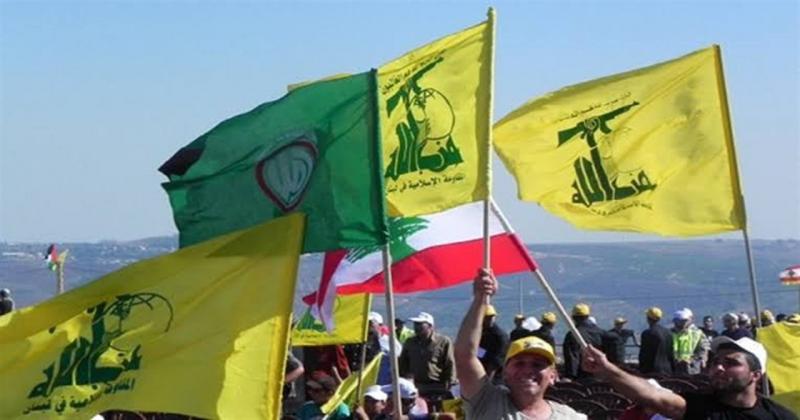
In a joint statement from the leaderships of Hezbollah and the Amal Movement, represented by Sheikh Ali Daamoush, head of Hezbollah's Executive Council, and Mostafa Fawani, head of Amal's Executive Council, the recent developments in Lebanon and the challenges they pose were discussed. Given the country's critical circumstances, the talks emphasized the political, national, economic, and social challenges facing Lebanon.
The leaderships focused on key issues, including fortifying the domestic front, maintaining civil peace, addressing repercussions of current events, accelerating reconstruction, and ensuring the return of displaced citizens to their towns and villages, alongside addressing economic and social issues.
Numerous proposals and practical steps to accompany and manage these issues were reviewed with the following statement issued:
Firstly, the leaderships assert that national partnership and coexistence are fundamental for Lebanon’s protection and reject any political approach based on exclusion or dominance. They call for keeping differences within political and constitutional frameworks to protect Lebanese interests and the state's institutions.
Secondly, both parties emphasize that civil peace is a red line and a shared national responsibility. They reject incitement, tension, and sedition, urging that disagreements be resolved through dialogue, understanding, and institutional recourse to prevent threats to civil peace and further burdening of the Lebanese people.
Thirdly, they stress the necessity for the state to fully assume its responsibilities by activating its institutions to address economic, social, and living crises effectively, thus enhancing Lebanon’s ability to face future challenges.
Fourthly, rebuilding and compensating the affected, ensuring the return of displaced people to their towns, is not a deferred issue but a national priority. This requires speedy completion through official and popular mobilization, strengthening the state’s role, and utilizing all available Arab and international support to stabilize the population and restore life to affected areas.
Fifthly, they urge all political forces to act with high national responsibility, refrain from narrow calculations, and increase communication and coordination channels. Lebanon cannot afford further disruption or tension and desperately needs understanding, productive work, and concerted efforts.
The leaderships conclude that overcoming the current phase requires collective political will, prioritizing national interests, moving from crisis management to addressing their roots, and opening the path to a new phase focused on protecting Lebanon, reconstruction, return of citizens, and strengthening the state and its institutions.