


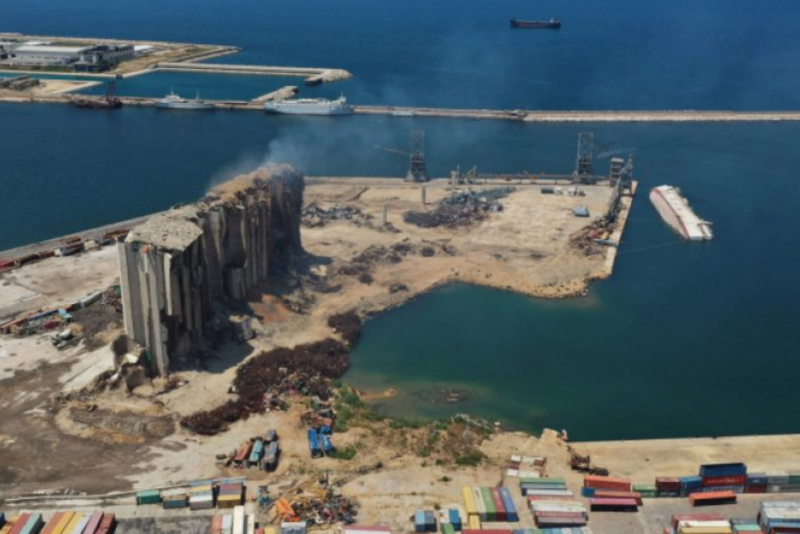
Six years have passed since the catastrophic Beirut port explosion on August 4, 2020, but the memory remains etched in the minds of those who lost loved ones. The moment at 6:07 PM that fateful evening is not just a marked point in time; it represents ongoing pain and anticipation for the truth and justice that victim families continue to seek.
Today, Tuesday, September 15, 2026, the investigation into the blast enters a pivotal phase, edging closer to resolution and accountability. After a prolonged legal journey fraught with delays and political interference, a significant step has been taken: Deputy Attorney General Judge Mohamed Saab has submitted an extensive 270-page document to Investigating Judge Tarek Bitar. This document outlines the Public Prosecution's stance on the investigation and the responsibilities of those involved in one of Lebanon's most complex and sensitive cases.
The significance of this submission lies not in its length but in its role in clearing procedural hurdles that have delayed the investigation's conclusion. Judge Bitar now possesses the official position of the Public Prosecution, along with the extensive investigations, documents, and summonses already completed. This advancement paves the way for Bitar to move into the critical stage of defining culpabilities and drafting the indictment.
While the full content of the document hasn’t been disclosed, it's confirmed that Judge Saab evaluated each defendant's responsibility and legal status, including individuals like former intelligence director Tony Mansour, who was consulted earlier this year.
There remains uncertainty about whether the prosecution upheld Bitar's findings, raised objections, requested additional measures, or dismissed certain charges. Legal sources confirm that the imminent decision won't be trivial. Judge Bitar will scrutinize the prosecution's demands and undertake necessary steps before issuing the final indictment. Currently, over seventy defendants are implicated, with charges ranging from probable intent to neglect and dereliction of duty.
Judge Bitar is likely to re-interrogate certain defendants while re-assessing their legal status based on available evidence. Legal actions might include arrest warrants, release under certain conditions, or investigative orders. Should new accusations or defendants emerge, Bitar will need to take further action before progressing to the indictment.
Crucially, the prosecution's analysis is advisory rather than binding, allowing Bitar to independently evaluate evidence and consider or disregard Saab's conclusions within legal boundaries. The crucial phase has shifted to Bitar’s office; his forthcoming decision will ultimately determine who faces the judiciary council and on what grounds, establishing specific charges and responsibilities.
A contentious issue remains: determining accountability. The investigation distinguishes individual defendants based on their roles, distinguishing between negligence in duty and potential liability under probable intent.
Following the indictment, the matter is far from concluded. If the decision includes arrest warrants or actions against political, security, and judicial figures, Lebanon's capacity to uphold judicial independence and the principle of equality before the law will face a crucial test.
It's anticipated that the case will reach the judiciary council by 2027, commencing a public trial to address the enduring question: who is accountable for the explosion that claimed 223 lives and injured over 7,000?
Focus now shifts to the names identified, and crucially, the rationale behind the indictment itself—a document that will map out responsibility for one of Lebanon's greatest tragedies, marking the beginning of the most challenging confrontation.
Legal sources emphasize that the time for accountability truly begins when this decision can be implemented, moving beyond mere documentation.