



The largest cities in the world by population are key indicators of global demographic and economic shifts. As urbanization and migration from rural to urban areas continue, some cities now host tens of millions of inhabitants, becoming major economic, political, and cultural hubs worldwide.
Notably, Asian cities stand out in the list of the world’s largest urban agglomerations. These cities benefit from rapid economic growth and substantial investments in infrastructure and transport, making them prime destinations for millions seeking job opportunities and urban living.
How Are Major City Populations Counted?
This ranking is based on the concept of the "greater metropolitan area," which includes not only the administrative city limits but also surrounding suburbs and economically and socially connected urban zones. As such, figures may differ from official city-specific statistics.
The Ten Largest Cities by Population
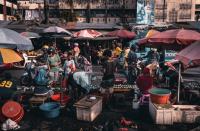
1. Jakarta, Indonesia
Jakarta tops the list with a population of approximately 42 million in its greater urban area. The Indonesian capital is the economic and political heart of the country, experiencing continuous growth due to internal migration and economic opportunities.
2. Dhaka, Bangladesh
Ranked second with around 37 million people, Dhaka is one of the world's fastest-growing cities, attracting large numbers of inhabitants from across Bangladesh, making it one of the most densely populated cities globally.
3. Tokyo, Japan
Despite a slowing population growth rate in Japan, Tokyo remains one of the largest urban areas globally, with about 33 million residents. It is noted for its advanced infrastructure and world-class transport network, setting a standard for modern megacities.
4. New Delhi, India
The Indian capital, New Delhi, ranks fourth with nearly 30 million people. Thanks to rapid economic growth and ongoing urban expansion, its surrounding urban area has become one of Asia's largest urban conglomerations.
5. Shanghai, China
Shanghai hosts approximately 29 million residents, marking it as China’s largest economic city and a major global financial and commercial center, playing a crucial role in international trade thanks to its massive port and strategic location.
6. Guangzhou, China
With about 27 million people, Guangzhou continues its rapid growth in the heart of the Pearl River Delta, one of the world’s largest industrial and commercial areas.
7. Cairo, Egypt
Cairo is the largest Arab and African city on the list, with its greater urban area approaching 25 million inhabitants. Additionally, it serves as a major political, economic, and cultural hub in the Middle East and North Africa.
8. Manila, Philippines
The greater Manila area comprises around 24 million people, serving as the Philippines' economic and administrative center. The city has witnessed significant urban expansion in recent decades due to accelerated population growth.
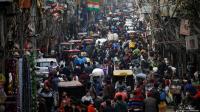
9. Kolkata, India
Kolkata's urban area holds about 22 million residents, being one of India’s oldest and most important cities, known for its long cultural and economic history in South Asia.
10. Seoul, South Korea
Seoul rounds out the list with a population nearing 22 million, representing the economic and technological heart of South Korea, home to many global company headquarters, and noted for its high level of urban development.
Why Are the Largest Cities Concentrated in Asia?
The list clearly shows Asia’s dominance, which is attributed to several interconnected factors. Firstly, Asia is home to the largest global population. Secondly, the continent has experienced rapid economic growth over the past decades, leading millions to move from rural areas to major cities.
Moreover, massive investments in infrastructure, industry, and services have boosted these cities' attractiveness, resulting in ongoing growth and transformation into global urban centers.
Challenges Facing Megacities
Despite the economic benefits large cities provide, they face numerous challenges, including:
- Traffic congestion.
- Rising property prices.
- Pressure on public services.
- Air pollution.
- Waste management.
- Water and energy provision.
- Rapid urban expansion.
In response, governments are striving to develop smart cities and enhance transport networks and public services to address these challenges and ensure sustainable urban growth.
In conclusion, the list of the top 10 largest cities by population as of 2026 reveals the significant demographic shifts occurring globally. Megacities continue to attract millions due to economic opportunities and developed infrastructure.
While Asia dominates the global urban scene, cities like Jakarta, Dhaka, Tokyo, and New Delhi exemplify the scale of urban expansion that will shape economic and demographic futures in the coming decades.
See Also
Most-affected Countries by Climate Change