



The immune system is the body's first line of defense, responsible for fighting off viruses, bacteria, and germs that cause diseases. When functioning efficiently, it helps maintain health by addressing various health threats. However, factors such as poor nutrition, lack of sleep, chronic stress, and certain illnesses can weaken it.
Signs of a weakened immune system might not be obvious and could present as minor symptoms often mistaken for normal fatigue. Repeated or prolonged symptoms could indicate a need for greater health focus, enabling early detection and lifestyle changes to support bodily health.
Main Symptoms of a Weakened Immune System:

Frequent Infections
One key indicator of a weakened immune system is frequent infections, such as colds and other ailments, alongside slow recovery.
Common indicators include:
- Recurrent colds yearly
- Prolonged illnesses
- Frequent antibiotic use
- Chronic reinfections
When the immune system can't manage microbes efficiently, infections may last longer or recur often.
Persistent Fatigue
Ongoing tiredness despite adequate sleep may warrant attention. Continuous defense against infections or weak immune functions may deplete energy, causing fatigue.
Signs include:
- Decreased daily energy
- Difficulty concentrating
- Lethargy without a clear cause
- Frequent need for rest
Note that these signs can also point to vitamin deficiencies or sleep issues.
Slow Wound Healing
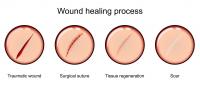
The immune system protects and repairs tissues; hence, sluggish healing of minor wounds may signify a problem with the body's ability to fend off infections and accelerate recovery.
Signs include:
- Slow skin wound recovery
- Increased infection likelihood in wounds
- Persistent redness or pain
Frequent Digestive Disturbances
Much of the immune system is linked to gut health, so recurring digestive issues might suggest an imbalance in immune strength.
Possible symptoms:
- Constant bloating
- Frequent diarrhea
- Regular stomach pain
- Digestive disorders
Supporting gut health with fiber-rich foods and probiotics may aid immune function.
Recurrent Inflammations
Frequent inflammation could be a sign the body isn't effectively combating microbes.
These include:
- Respiratory infections
- Skin infections
- Urinary tract infections
- Oral and gum infections
These shouldn't be ignored, especially if they become more severe or frequent.
Unexplained Weight Loss
Unexpected weight loss without dietary or activity changes should be medically evaluated, especially if combined with fatigue or appetite loss.
Inflammations or disorders could have the body using extra energy.
Effects of Stress on Immunity
Chronic stress disrupts various body functions, including the immune system, causing hormone imbalances that impact disease resistance.
To reduce stress effects:
- Practice breathing exercises
- Ensure regular sleep
- Engage in enjoyable activities
- Balance work and rest times
Nutrient Deficiencies
Vitamins and minerals are key to immunity support; therefore, deficiencies can impair disease resistance.
Key nutrients include:
- Vitamin D
- Vitamin C
- Zinc
- Iron
- Protein
A balanced diet is preferred, with supplements advised after consulting a doctor.
Natural Ways to Boost Immunity
Enhance immune health through simple daily habits:
- Eat varied fruits and vegetables
- Stay hydrated
- Get ample sleep
- Limit sugars and processed foods
- Engage in regular physical activity
- Avoid smoking
- Maintain a healthy weight
These aid the body in performing its defensive roles better, though not preventing all diseases.
When to Consult a Doctor?
A single symptom doesn't mean weakened immunity; however, recurrent or multi-symptom occurrences necessitate professional consultation.
Seek medical advice for:
- Unusual infection frequency
- Prolonged fatigue
- Unexplained weight loss
- Severe or frequent infections
In conclusion, signs of weakened immunity range from persistent fatigue to infections and slow recovery. Awareness of these prompts early action to improve health and bolster immunity.
Healthy lifestyle choices are crucial in maintaining strong immunity through balanced nutrition, adequate sleep, and reduced stress. Persistent or concerning symptoms should be discussed with a doctor to determine causes and appropriate treatment.
See Also
Top 10 Foods to Boost Immunity
Reasons for Feeling Tired Despite Sufficient Sleep