



Early symptoms of high blood pressure are crucial health indicators that can help identify the issue before it develops into severe complications. High blood pressure occurs when the force of blood against the artery walls remains consistently high, putting extra strain on the heart and blood vessels.
Ignoring these symptoms or neglecting regular blood pressure checks can lead to the condition remaining undiagnosed, increasing the risk of heart, kidney, and brain diseases in the long run.
Why Is High Blood Pressure Called the Silent Killer?
In many cases, high blood pressure doesn’t cause any noticeable symptoms, especially in its early stages. Patients may live for years unaware of their condition.
Furthermore, any symptoms that do appear are often nonspecific and mistaken for ordinary fatigue or stress instead of high blood pressure.
Notable Early Symptoms of High Blood Pressure
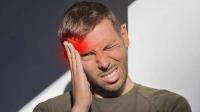
1. Frequent Headaches
Headaches, especially at the back of the head, are common symptoms associated with high blood pressure. Many sufferers notice the headache is more pronounced upon waking and intensifies as blood pressure rises.
2. Dizziness
High blood pressure may lead to dizziness or imbalance, often exacerbating with sudden movements or physical exertion, especially if the condition is uncontrolled.
3. Blurred or Impaired Vision
It can affect the tiny blood vessels in the eye, leading to temporary or recurrent blurry vision or decreased visual clarity.
4. Heart Palpitations
Some patients experience rapid or irregular heartbeats, often accompanied by anxiety or discomfort in the chest due to increased cardiac strain.
5. Shortness of Breath
Individuals may experience difficulty breathing even during simple tasks previously performed without issue, indicating that high blood pressure impacts the heart or circulatory system, especially if this symptom persists or worsens.
6. Nosebleeds (Epistaxis)
Unexpected nosebleeds may occur without an apparent cause. While not always indicative of high blood pressure, they can be a sign for those with significant or uncontrolled levels.
7. Fatigue and General Tiredness
An unexplained, continuous feeling of fatigue or low energy may occur. High blood pressure might affect circulatory efficiency, impacting daily activity levels and concentration ability.
8. Tinnitus
Some patients report hearing ringing or buzzing sounds. Though not a symptom exclusive to high blood pressure, it may present in some individuals, especially in prolonged cases.
When Is High Blood Pressure Dangerous?
High blood pressure becomes a medical emergency when readings reach 180/120 mmHg or higher, known as a hypertensive crisis. Immediate medical attention is required, particularly if severe symptoms such as:
- Severe chest pain.
- Acute shortness of breath.
- Sudden weakness or numbness on one side of the body.
- Severe vision blur.
- Difficulty in speaking or slurred speech.
- Intense, sudden headache.
- Unusual nausea or vomiting occur.
What Is Normal Blood Pressure?
According to recent medical guidelines, normal blood pressure is considered below 120/80 mmHg. Consistently higher readings may indicate prehypertension or high blood pressure, necessitating regular medical supervision.
Risk Factors for High Blood Pressure
- Obesity and overweight.
- Physical inactivity.
- Excessive salt intake.
- Smoking habits.
- Chronic stress.
- Advancing age.
- Family history of the condition.
- Chronic diseases like diabetes and kidney problems.
How Can High Blood Pressure Be Prevented?
Adopting a healthy lifestyle can reduce the risk of developing high blood pressure or help manage it. This includes:
- Regular physical activity.
- Reducing salt consumption.
- Eating a balanced diet rich in fruits and vegetables.
- Maintaining a healthy weight.
- Quitting smoking.
- Managing stress.
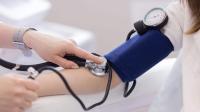
- Regular blood pressure monitoring.
In conclusion, early symptoms of high blood pressure may initially be subtle or unclear, but paying attention to signs like headaches, dizziness, blurred vision, and heart palpitations can assist in early detection.
Since high blood pressure can remain symptomless for years, routine checkups and a healthy lifestyle are the best ways to prevent its serious complications.
See Also