



Iron-rich foods are essential for any diet aimed at boosting hemoglobin levels and improving blood health. Iron is a crucial component for red blood cell production and oxygen transportation throughout the body. It also plays an important role in supporting energy levels, concentration, and immunity.
Moreover, obtaining iron from various dietary sources helps prevent its deficiency and reduces the risk of anemia, especially among women, children, pregnant women, and those suffering from malnutrition.
The Relationship Between Iron and Anemia
Iron deficiency anemia occurs when the body lacks adequate iron to produce hemoglobin normally. As a result, the blood's ability to transport oxygen to organs and tissues decreases, leading to symptoms such as fatigue, dizziness, pale skin, and reduced physical and mental performance.
Top Iron-Rich Foods to Combat Anemia
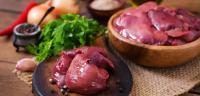
1. Liver and Organ Meats
Liver, whether from beef or chicken, is one of the richest natural sources of iron. It also contains a wide range of essential vitamins and minerals, making it an excellent dietary choice for those with iron deficiency.
2. Red Meat
Red meats like beef and lamb are important sources of heme iron, known for its easy absorption by the body. Additionally, these meats offer high-quality proteins and essential nutrients necessary for red blood cell production.
3. Poultry
Chicken and turkey are good sources of iron, especially when included in a balanced diet. Furthermore, poultry provides the essential proteins that support tissue building and overall health.
4. Seafood
Seafood, including clams, mussels, sardines, and tuna, is rich in iron. They also contain omega-3 fatty acids, which support heart and brain health alongside other nutritional benefits.
5. Spinach and Dark Leafy Greens
Spinach, kale, and moringa leaves are well-known leafy greens rich in iron. Additionally, these vegetables contain antioxidants and vital vitamins that support overall health and disease prevention.
6. Lentils and Legumes
Lentils, along with white beans, chickpeas, and peas, are among the best plant-based sources of iron. Legumes are also rich in fiber and plant-based protein, making them a complete dietary option.
7. Nuts and Seeds
Pumpkin seeds, black sesame, cashews, and almonds offer good amounts of iron. They also provide healthy fats and important minerals like magnesium and zinc.
8. Fortified Grains
Fortified breakfast cereals, oats, and whole wheat bread are beneficial options for increasing daily iron intake. These foods also help provide energy and essential fibers for digestive health.
9. Dried Fruits
Dried fruits rich in iron include raisins, dried apricots, and dates. These fruits offer a quick energy source along with their mineral and vitamin content.
Golden Tips for Enhancing Iron Absorption
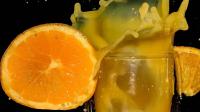
Consume Vitamin C with Meals
Vitamin C aids in improving the absorption of non-heme iron found in plant sources. Thus, adding lemon, oranges, kiwi, or bell peppers to iron-rich meals is recommended.
Avoid Tea and Coffee During Meals
Coffee and tea contain compounds known as tannins, which can reduce iron absorption. Therefore, it's better to drink these beverages before meals or at least two hours afterward.
Be Mindful of Calcium
Although calcium is crucial for bone health, it can hinder iron absorption when consumed together. Therefore, it's advisable to separate calcium-rich foods from iron-rich meals as much as possible.
Signs that Indicate Iron Deficiency
Symptoms that may indicate low iron stores in the body include:
- Persistent fatigue and exhaustion.
- Pale skin.
- Dizziness and headaches.
- Shortness of breath.
- Poor concentration.
- Hair loss.
- Brittle nails.
When to Consult a Doctor
If anemia symptoms persist or appear prominently, it's important to conduct necessary tests to determine the true cause of iron deficiency.
Furthermore, some individuals may require iron supplements or specialized medical treatment based on a doctor's evaluation and test results.
In conclusion, consuming iron-rich foods to treat anemia plays a pivotal role in improving hemoglobin levels and restoring energy and vitality. Combining both animal and plant iron sources with enhanced absorption via Vitamin C provides optimal results. Adhering to a balanced diet and regularly monitoring health contributes to preventing iron deficiency and its long-term complications.
See Also
The Unspoken Dangers of Mongaro Injections