


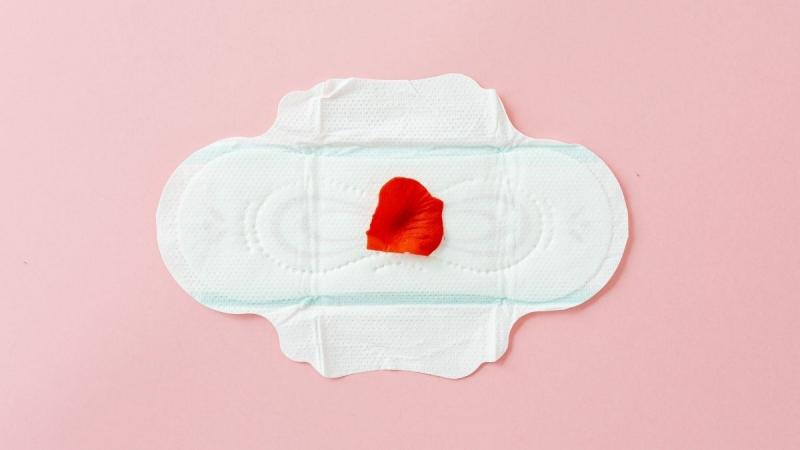
Psychological stress is one of the most significant factors affecting women during their menstrual cycle. It is especially noticeable when sudden changes occur in the timing or nature of the bleeding during stressful periods. In fact, medical studies show that stress can directly affect the hormonal balance responsible for regulating the menstrual cycle.
When the body experiences continuous psychological stress, it releases larger amounts of the hormone cortisol, known as the "stress hormone." Elevated levels of this hormone may impact the functioning of the ovaries and reproductive hormones, explaining why some women experience various menstrual cycle disturbances.
How Does Stress Affect the Menstrual Cycle?
The regulation of the menstrual cycle involves a delicate balance between the brain, pituitary gland, and ovaries. When stress levels elevate over long periods, this sensitive hormonal system may be disrupted.
Additionally, severe stress can delay or temporarily halt ovulation, which directly affects the timing and regularity of the menstrual periods. The degree of impact varies from woman to woman, based on the intensity and nature of stress, as well as overall health.
Manifestations of Stress on the Menstrual Cycle

Delayed or Missed Menstrual Periods
Delay is among the most common effects, as stress may delay or temporarily stop ovulation, causing periods to be late or absent for a month or more in some cases. In instances of severe, prolonged stress, what is known as stress-linked amenorrhea may occur.
Irregular Menstrual Cycle
The intervals between periods may become irregular, with cycles arriving sooner or later than usual. Some women may find it challenging to predict their periods due to ongoing hormone disruptions.
Changes in Bleeding Volume
Stress can affect the nature of menstrual bleeding, making it lighter and shorter or sometimes heavier. These changes may accompany increased cramping and menstrual pain.
Inter-period Spotting
The hormonal imbalance from stress can cause light spotting between periods. While this could be linked to stress, persistent or accompanied symptoms warrant attention.
Exacerbation of Premenstrual Syndrome Symptoms
Stress can worsen premenstrual syndrome (PMS) symptoms, including:
-Mood swings.
-Irritability.
-Bloating.
-Headaches.
-Fatigue.
-Sleep disturbances.
Signs Stress May Be Affecting Your Cycle
Indicators that stress might be causing menstrual disruptions include:
-Experiencing severe academic or work pressures.
-Facing emotional or familial crises.
-Chronic stress over long periods.
-Lack of sleep and continuous fatigue.
-No prior history of hormonal or gynecological issues.
However, stress should not be considered the sole cause without ruling out other medical conditions.
How to Mitigate Stress Effects on Menstrual Cycle

Practice Relaxation Techniques
Practices like yoga, meditation, and deep breathing exercises help reduce stress levels and improve overall mental health. Dedicating a few minutes daily to these activities may positively influence menstrual regularity over time.
Engage in Regular Physical Activity
Physical activity is a natural way to relieve stress. Walking or light exercise helps enhance mood and stimulates the release of happiness hormones. Furthermore, exercise supports better sleep quality and hormonal balance.
Ensure Adequate Sleep
The body needs regular sleep to maintain vital functions and hormonal balance. It's recommended to get 7-8 hours of sleep daily. Conversely, chronic insomnia can exacerbate stress-related menstrual disruptions.
Maintain a Balanced Diet
A balanced diet is essential for hormonal health. It's advised to focus on vegetables, fruits, whole grains, and healthy proteins, while reducing caffeine and refined sugars that may increase stress and anxiety for some people.
When to Consult a Doctor
Although stress is a common cause of menstrual disorders, some situations require medical consultation to ensure no other health issue is present.
Consult a doctor if:
Menstrual periods are absent for three consecutive months
If periods stop completely for three months or more without pregnancy, a comprehensive medical evaluation is essential.
Irregular cycles persist
If disruptions continue for several months even after stress factors are resolved, other underlying causes may need diagnosis and treatment.
Suspected hormonal disorders
-Some cases may relate to issues like:
-Polycystic ovary syndrome (PCOS).
-Thyroid disorders.
-Elevated prolactin levels.
-Other hormonal issues affecting ovulation.
In conclusion, psychological stress indeed impacts the menstrual cycle by disrupting the hormonal balance that regulates ovulation and menstruation. These effects can often be mitigated, restoring cycle regularity. However, if disruptions persist or are severe, consulting a doctor remains crucial to identify the cause and obtain appropriate treatment.
See also
Top 10 Iron-Rich Foods During Menstruation