


Israeli President Isaac Herzog conveyed a somber message, stating, "This morning is a profoundly difficult and painful one, as we awoke to the heartbreaking news of the death of four of our citizens in the Lebanon battles."
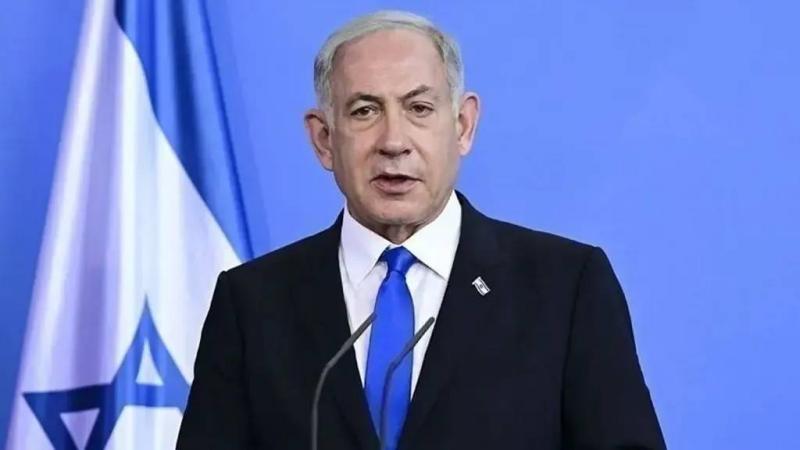
Prime Minister Benjamin Netanyahu affirmed, "Israel will remain in the security strip in southern Lebanon as long as it is necessary to protect the northern Israeli towns."
He further declared, "We will not tolerate attacks on our soldiers, and we will make Hezbollah pay a very heavy price."
Netanyahu added, "I held consultations and an assessment of the security situation with the Defense Minister and the Chief of Staff following the attack on our forces in southern Lebanon. I instructed the army to launch strong strikes against Hezbollah."
Israeli Defense Minister Yisrael Katz emphasized that "We will not allow harm to our soldiers and citizens, and any breach of the ceasefire by Hezbollah will be met with a very strong response," adding, "The army will remain in the security zone in Lebanon, from the coast to the Shkeif Castle heights."
Israeli media reported that Israeli security and military leaders held meetings to discuss how to respond to the party's attacks.
In related news, the Israeli army announced that it attacked over 80 targets, eliminating dozens of Hezbollah elements in southern Lebanon and targeted the Bekaa Valley and Baalbek at a depth of 85 kilometers inside Lebanese territory.
"Maariv" cited a source noting that Hezbollah engaged in a defensive battle at the Al-Tahir Heights in southern Lebanon before targeting the tank and killing four soldiers, with the incident causing the tank to catch fire.
"Yedioth Ahronoth" reported, citing a source, that the army attacked around 100 Hezbollah targets across various areas in Lebanon, including the Bekaa.
U.S. Ambassador to Israel Mike Huckabee stated, "A ceasefire begins when Hezbollah stops firing and killing."