



Many women seek to understand the reasons behind noticing brown spotting or discharge before menstruation, which occurs a couple of days or more before their period. This symptom can cause confusion about whether it is a natural part of the menstrual cycle or a sign that requires attention.
In most cases, brown discharge before a period is linked to minor hormonal changes, the beginning of the menstrual cycle, ovulation, or contraceptive use. However, it can sometimes be associated with early pregnancy, ovarian cysts, pelvic infections, or the onset of menopause.
What Does Brown Blood Before Menstruation Mean?
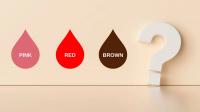
Brown blood is typically older blood that has oxidized before leaving the body, changing its color from bright red to dark brown or blackish brown. This color usually appears when blood flow is slow or light, allowing more time for oxidation before exiting.
Thus, the appearance of brown spots before a period doesn't necessarily indicate a serious issue. It could simply be a slow start to menstruation, leftover blood from a previous cycle, or temporary hormonal spotting. However, if it occurs consistently or is accompanied by pain, unusual odor, or noticeable menstrual disruption, it warrants attention.
Reasons for Brown Discharge Before Menstruation
Firstly: Natural and Common Causes
In most cases, brown discharge before menstruation is not a health concern, but is linked to natural changes in the uterine lining or hormonal fluctuations preceding a period.
Pre-Menstrual Spotting
One or two days before menstruation, the uterine lining may begin to break down gradually under the influence of decreasing estrogen and progesterone hormones. This can lead to the release of very small amounts of old blood as brown spots or discharge.
This scenario is one of the most common explanations, especially if followed by a normal menstrual cycle shortly after. In such cases, it is typically not concerning and considered part of the menstrual onset for some women whose periods do not start with a clear flow.
Residual Old Blood from the Previous Cycle
Sometimes not all of the blood from a previous cycle exits at once, remaining in the uterus or cervix, and later exiting late. When this old blood stays in the reproductive system for a long time, its color changes to brown due to oxidation.
This type of blood is usually very light, not associated with severe pain or other symptoms, and may appear as intermittent brown spots before the next period or immediately after.
Implantation Bleeding
If a woman is married or at risk of pregnancy, the light brown blood before a period could be implantation bleeding, which happens when a fertilized egg attaches to the uterine lining.
This bleeding is usually very light and appears as pinkish or brownish spots several days before the period is due, typically occurring 10 to 14 days post-ovulation, and may be mistaken for the start of menstruation by some women.
However, not all pregnant women experience implantation bleeding, and its absence does not rule out pregnancy. So, if the period is delayed or early pregnancy symptoms like breast tenderness or unusual fatigue occur, a pregnancy test at the appropriate time might be warranted.
Ovulation Bleeding
Some women experience very light ovulation bleeding or brown spotting mid-cycle, near the release of the egg from the ovary. It is caused by rapid hormonal changes around ovulation, particularly a temporary estrogen drop in some women.
Ovulation bleeding is generally light, short-lived, lasting no more than a day or two, possibly accompanied by mild lower abdominal discomfort. If this timing frequently matches the mid-cycle, then this explanation might be the closest.
Stress and Mental Pressure
High stress levels can affect the brain axis regulating reproductive hormones, leading to temporary disruptions in the shedding or stabilization of the uterine lining.
Furthermore, psychological stress can alter the cycle pattern regarding timing, volume, or brown spotting before or after menstruation. Hence, some women may notice brown spots during high-stress periods, sleep deprivation, or significant life changes.
Secondly: Treatment and Contraception-Related Causes
Brown discharge before menstruation may directly result from uterine lining changes due to hormonal medicines or medical procedures.
Contraceptive Pills and Hormonal Devices
Hormonal contraceptives are a common cause of brown spotting or light bleeding between cycles, observed when starting pills, patches, injections, or hormonal IUDs.
This may also happen when doses are missed, changing contraceptive type, or discontinuation, known as breakthrough bleeding or inter-cycle spotting, often light and brown or light red.
Often, the body requires a few months to adjust to the new hormonal changes, so brown spotting at the start of contraceptive use isn't unusual but may need review if persistent or intense with severe pain.
Gynecological Exams and Cervical Irritation
Slight brown discharge may occur after gynecological exams, such as pelvic exams or Pap smears, or after intercourse, particularly if the cervix is sensitive or prone to bleeding. The cause is typically mild tissue irritation rather than a serious issue.
Yet, if bleeding recurs frequently post-intercourse or after exams, informing a doctor is recommended as cervical sensitivity, or inflammation or small polyps might be causing this symptom.
Thirdly: Hormonal and Health-Related Causes Requiring Monitoring
If brown discharge recurs often, or is accompanied by noticeable cycle irregularity or other distressing symptoms, it could be associated with a hormonal imbalance or a gynecological issue needing evaluation.
Hormonal Imbalances and Progesterone Deficiency
Following ovulation, progesterone is produced to help stabilize the uterine lining. If this hormone release is weak or insufficient, the lining might become unstable and begin shedding before the period, resulting in brown spots or light spotting preceding menstruation.
This condition may be temporary due to stress, sleep disruption, or sudden weight changes but may also indicate broader ovulation or cycle irregularities.
Polycystic Ovary Syndrome (PCOS)
PCOS is a common cause of menstrual irregularities in women of reproductive age, leading to ovulation disruptions and hormonal imbalances, sometimes causing long cycle delays or intermittent brown discharges between periods.
Additionally, PCOS may involve other symptoms like abnormal hair growth, acne, weight loss difficulties, and delayed pregnancy. Irregular ovulation can cause the uterine lining to build up longer, leading to irregular bleeding as brown blood or light spotting before or away from periods.
Pelvic or Vaginal Infections
Sometimes, brown discharge is related to vaginal, cervical, or pelvic infections, especially if accompanied by abnormal-smelling discharge, lower abdominal pain, itching, burning, or discomfort during intercourse.
Blood alone doesn’t mean there’s an infection, however, cracks with such symptoms increase the likelihood of an inflammatory cause, warranting a doctor’s examination for proper tests and treatment if needed. Infections and inflammations are known causes of unexpected bleeding between periods.
Perimenopause
Around age 45, hormonal fluctuations begin as menopause approaches, causing cycle irregularities in timing, volume, and hue. Brown bleeding or spotting might occur before periods or between cycles during this time.
This might be a natural part of age-related hormonal changes; however, unusual bleeding at this stage shouldn't be completely ignored, especially if heavy, frequent, or occurs after a long missed cycle.
Less Common But Important Causes

Polyps and Fibroids
Uterine or cervical polyps might cause light bleeding between cycles or recurring brown spotting. Uterine fibroids can also lead to bleeding disturbances in intensity or duration.
These conditions are not always severe but need an evaluation through ultrasound or gynecological exams if the bleeding persists, is accompanied by pain, or heavy cycles.
Endometriosis or Adenomyosis
In some women, irregular bleeding could signify issues like endometriosis or adenomyosis, especially if accompanied by severe menstrual pains, chronic pelvic discomfort, or heavy and prolonged bleeding. Here, brown blood is among symptoms necessitating medical assessment.
How to Differentiate Natural from Concern-worthy Brown Discharge?
Several indicators can help differentiate simple cases from those needing follow-up:
Brown blood is often natural if:
-Appearing for just a day or two before the period
-Very light as spots or spotting
-Occurs occasionally without other troubling symptoms
-Associated with beginning hormonal contraceptive usage, stress, or nearing menstruation
-Once off mid-cycle consistent with ovulation timing
Needs evaluation if:
-Recurring for several days monthly
-Accompanied by intense pain, foul odor, itching, or fever
-Paired with obvious period delays or significant scheduling disruptions
-Frequently appearing post-intercourse
-Coinciding with potential pregnancy, joined by pain, bleeding, or dizziness
-Heavy or turning into unusual bleeding between cycles
Can Brown Discharge Before Menstruation Be Prevented?
Preventing all cases isn't feasible since some relate to natural cycle characteristics or hormonal changes. However, regulating sleep, reducing stress, adhering to contraceptive use as prescribed by doctors, and not neglecting any vaginal infection or recurring cycle disturbance could reduce some causes.
Tracking menstrual dates, brown spotting days, color, and duration helps in understanding recurring patterns and assists doctors in pinpointing causes if consulting is needed.
In summary, causes of brown discharge before menstruation range from common natural factors like menstruation onset, old period blood, ovulation, and stress to others requiring more attention such as early pregnancy, hormonal imbalances, PCOS, infections, and specific uterine issues. Therefore, evaluating the situation isn’t based solely on color but also on timing, duration, volume, and accompanying symptoms.
See Also
Reasons for Sudden Menstrual Cessation