


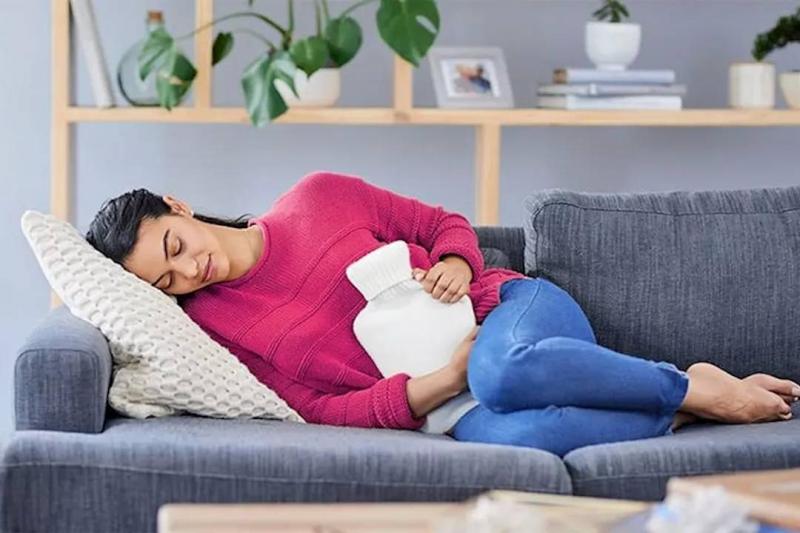
Many women are seeking safe and effective methods to naturally alleviate menstrual pain, especially when cramps are distressing but not severe enough to require painkillers every time.
These pains often stem from uterine contractions, stimulated by an increase in hormone-like substances known as prostaglandins, which are largely responsible for the cramps and discomfort associated with the cycle.
Why Does Menstrual Pain Occur?
Typically, menstrual pain occurs as the uterus contracts to shed its lining. These contractions can be more intense in some women than others. Elevated levels of prostaglandins increase the severity of cramps and pain in the lower abdomen, which can also extend to the lower back and thighs.
In mild cases, symptoms may ease in two or three days, while for others, it can significantly affect daily activities.
How to Naturally Relieve Menstrual Pain?
1) Warm Compresses and Localized Heat
Heat is one of the most common home remedies for easing menstrual cramps. You can place a warm water bottle or heating pad on your lower abdomen or back for 15 to 20 minutes, as heat helps relax muscles and improve blood flow in the area, alleviating the sensation of cramping. A warm shower or bath can also be soothing and provide overall body relaxation.
2) Warm Drinks and Herbs
During menstruation, many women turn to ginger, cinnamon, or mint. These herbs are traditionally used to soothe cramps and enhance the sense of comfort. Drinking warm water or fluids regularly can help reduce bloating and support digestion. This is crucial because dehydration may exacerbate feelings of fatigue and discomfort. Nonetheless, it's best to use herbs as supportive, not alternative, treatments for severe or chronic conditions.
3) Light Movement Instead of Bed Rest
Though rest is important, staying in bed all day isn't always the best choice. Light walking, stretching, or yoga can help reduce pain and improve mood since regular physical activity is linked to reduced cramp severity in some women. Additionally, moving the body can lower stress and enhance circulation, providing a better feeling during the early hours of menstruation.
4) Gentle Massage and Comfortable Positions
Gently massaging the lower abdomen in circular motions can help relieve cramping in some women, especially when using a calming oil like lavender, if there's no skin sensitivity. Additionally, comfortable positions such as lying with bent knees or mild bending to stretch back muscles can reduce pressure in the lower pelvis and back.

5) Quality Sleep and Stress Reduction
Lack of sleep and psychological stress can make menstrual pain more bothersome. Hence, getting enough rest is beneficial during this period. Relaxation techniques like deep breathing, a warm bath, or reducing stimulants in the evening can calm the body, especially if cramps come with tension, headache, or mood disturbances.
6) Attention to Nutrition and Supplements
Reducing very salty foods and caffeine-rich drinks may help if you experience bloating or nervousness before or during menstruation. Some studies indicate supplements like magnesium, vitamin E, omega-3s, and vitamin B1 might help some women ease cramps. However, it's preferable not to take any supplements regularly without consulting a doctor or pharmacist, especially if you're on other medications or have a chronic health condition.
When Are Natural Methods Not Enough?
While home tips can be effective in mild to moderate cases, severe or unusually recurrent pain warrants medical evaluation. It's advisable to consult a doctor if menstrual pain is:
-So severe it prevents studying or working
-Worsening each month
-Suddenly started after age 25 or 30 with no similar history
-Accompanied by very heavy bleeding, dizziness, or fainting
-Unresolved despite using heat or typical painkillers
Severe pain might be linked to conditions like endometriosis or fibroids, needing proper diagnosis and treatment.
Ultimately, if you're wondering how to naturally relieve menstrual pain, simple yet highly effective steps for many women start here: warm compresses, warm drinks, light movement, good sleep, and stress reduction.
These methods don't cure all causes, but they can offer noticeable relief and make getting through menstruation days easier. However, if pain is unusual or recurrently severe, consulting a doctor remains the best option to ensure there's no underlying health issue requiring attention.
See Also
Symptoms of Menstruation Before It Starts