


For many women, achieving long-lasting makeup isn't just about the setting spray. The secret starts before the makeup application itself. Common issues like smudging, caking, or foundation disappearing after just a few hours often arise from not prepping the skin properly or choosing products that don't suit your skin type, weather conditions, or the nature of your day.
In reality, makeup longevity is based on a simple equation: well-prepped skin, lightweight layers, suitable products, and smart blending and setting techniques. If you want your makeup to withstand work hours, events, or hot weather without losing its natural look, there are essential steps that make a noticeable difference from the first try.
Why Doesn't Makeup Last Sometimes?
Before diving into solutions, it's important to understand the common reasons behind rapid makeup breakdown. Oily skin secretes oils that can dissolve foundation if not controlled well. On the other hand, severe dryness can sometimes lead to products caking over flaky areas.
Additionally, applying heavy layers of foundation or concealer or using products unsuitable for hot weather can make makeup collapse faster than expected.
Top Tips for Long-Lasting Makeup

1) Start with Proper Skin Preparation
The first step to long-lasting makeup is proper skin preparation. Begin with a suitable cleanser that removes oil and impurities without stripping your skin of its natural moisture. Then apply a lightweight moisturizer appropriate for your skin type.
If you have oily skin, opt for a lightweight, fast-absorbing formula. If your skin is dry, ensure it is well moisturized but not overly so. Gentle exfoliation once or twice a week can also help remove dead skin cells that make foundation look cakey or uneven.
2) Choose the Right Primer for Your Skin Type
Primers are not just an extra beauty step; they are one of the most important secrets to long-lasting makeup. If you have oily skin, it's best to use a mattifying primer to control oil secretion and reduce shine in the T-zone.
For dry skin or cold weather, choose a hydrating primer that provides smoothness and helps the foundation adhere better to the skin. In both cases, the primer offers a more balanced surface and reduces the appearance of pores and fine lines.
3) Opt for Lighter Layers of Foundation and Concealer
One common mistake that causes makeup to break down quickly is applying heavy layers of creamy products. So, if you want long-lasting makeup, choose a long-wear foundation with a lightweight formula, applying it in buildable light layers rather than a single thick one. The lighter the layers, the better they meld with the skin, reducing the chance of caking or moving due to oils and heat throughout the day.
4) Use a Damp Sponge for Blending
The way you apply foundation greatly affects its durability. A great trick is to use a damp, well-squeezed sponge, applying the product in light dabbing motions instead of strong swipes. This method helps integrate the foundation into the skin more naturally, preventing accumulation in lines or over pores. Additionally, it gives you even coverage without making the face appear overloaded with layers.
5) Set Makeup with Translucent Powder in the Right Places
Translucent powder is crucial for setting makeup, but it doesn't always need to be applied heavily across the whole face. Focus on oil-prone areas like the forehead, nose, chin, and under the eyes if using concealer. Choose a soft, lightweight loose powder and press it gently using an appropriate sponge or brush to set creamy products without making the skin appear dry or overly matte.

6) Use Setting Spray Between Layers and After Finishing
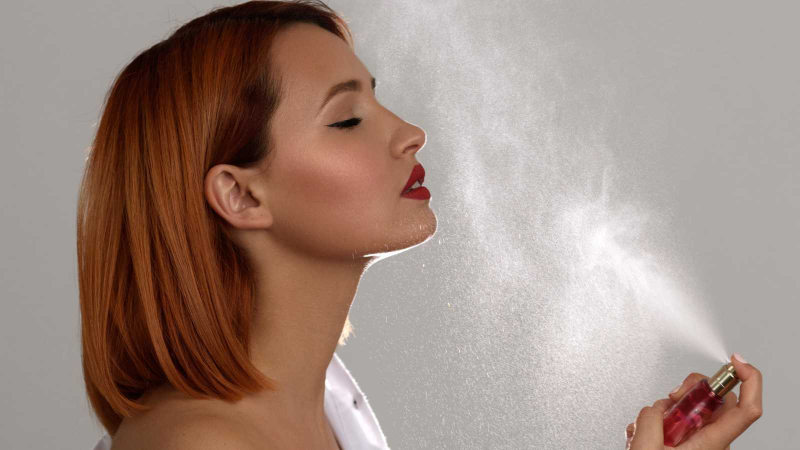
For a stronger effect, setting spray can make a noticeable difference. Lightly mist it after blending creamy products and before applying powder, then use it again as a final step after completing your entire makeup look. This technique helps blend the layers together and provides a more natural, long-lasting appearance. It's best to spray from a suitable distance using an X and T motion to ensure even distribution across all areas.
7) Consider Waterproof Products When Needed
For long days or in hot environments, rely on waterproof mascara and eyeliner to prevent moisture or sweat from smudging the eye area. Matte liquid lipstick or long-wearing tints are often preferable to quickly-dissolving cream formulas. This way, you maintain the durability of makeup's essential features, requiring only light touch-ups throughout the day.
8) Keep Blotting Papers Handy Instead of Adding New Layers
When your face starts to get oily after a few hours, many fall into the trap of adding more powder over the shine, potentially making makeup look heavy and cakey. The better solution is to use blotting papers to absorb excess oil first, then add a very light amount of powder if needed. This step preserves the makeup's appearance and prevents layer buildup on the skin.
Common Mistakes That Prevent Long-Lasting Makeup
One of the most common mistakes is using a very heavy moisturizer under foundation or applying too much primer or not waiting between layers. Additionally, choosing a foundation that doesn't match your skin type or applying too much powder over dry areas can lead to adverse results. Conversely, overlooking setting spray during long events can make makeup less resistant to heat and sweat.
In conclusion, the best techniques for long-lasting makeup rely not on a single magical product but a comprehensive routine that starts with skin preparation and ends with smart layer setting. Importantly, long-lasting makeup doesn't mean heavy makeup; it's about balanced makeup that works with your skin, not against it.
Also Watch