


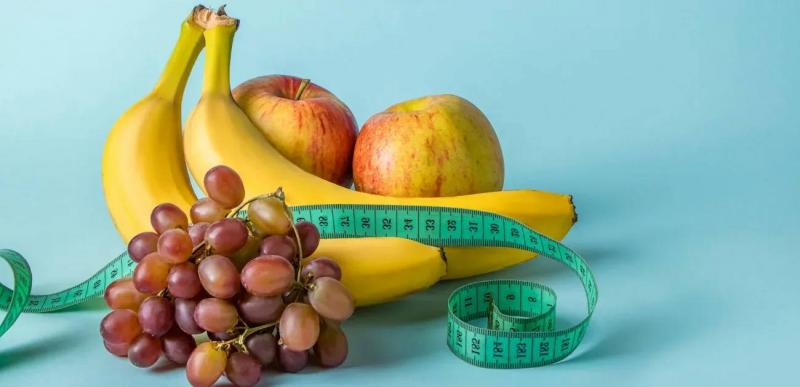
Many individuals are on the lookout for fruits that aid in weight loss, as they offer a delightful taste combined with high nutritional value. Fruits are rich in fiber, vitamins, and minerals, which help reduce hunger and improve digestion without adding many calories.
Although fruits contain natural sugars, consuming the right types in moderate amounts can effectively be part of any weight loss diet. Additionally, the fiber in most fruits slows sugar absorption and enhances satiety for longer periods.
Why Do Fruits Help With Weight Loss?
Fruits are crucial for weight control due to their high water and fiber content with low-calorie density in many varieties. Furthermore, they provide antioxidants and vitamins that support overall health and maintain energy levels while dieting.
Replacing sugary desserts with fresh fruits can help reduce daily calorie intake, positively affecting weight loss over time.
Best Fruits for Weight Loss
1. Apples
Apples are ideal for dieting due to their pectin fibers, which slow digestion and increase fullness. They are easy to carry and consume as a snack, reducing the urge for high-calorie foods.
2. Berries
Berries, including strawberries, blueberries, and blackberries, are among the fruits with the lowest calories. They offer a significant amount of antioxidants and fiber, helping to support metabolism and improve heart and immune health.
3. Grapefruit
Grapefruit is widely associated with weight loss programs. Studies suggest that incorporating it into a balanced diet may improve insulin sensitivity and help control appetite, aiding weight loss when combined with a healthy regime.
4. Watermelon
Composed of over 90% water, watermelon provides quick satiety with relatively few calories. It also helps hydrate the body during summer, making it a perfect refreshing snack.
5. Kiwi
Kiwi is rich in fiber and vitamin C, supporting digestion and immune health. Its fiber content slows digestion and reduces hunger.
6. Pears
Pears, especially when consumed with the skin, are high in dietary fiber, increasing feelings of fullness for longer. Thus, they are a good option for those aiming to cut down on high-calorie snacks.
How to Eat Fruits During a Diet?

Eat Whole Fruits
It is better to consume fresh fruits as they are, rather than juicing them, as juicing reduces fiber content and speeds natural sugar absorption, decreasing fullness.
Moderation is Key
Despite their benefits, fruits contain natural fructose sugar. It's often recommended to limit to one or two servings daily within a balanced diet, based on individual needs.
Be Cautious with Sugary Fruits
Moderation is advised when consuming fruits higher in sugar and calories, like grapes, mangoes, and dates, especially on a low-calorie diet.
Add a Protein Source
Combine fruits with Greek yogurt or a small handful of unsalted nuts. Protein and healthy fats slow sugar absorption and enhance satiety.
Common Mistakes When Eating Fruits for Weight Loss
Some people make mistakes that reduce the benefits of fruits during a diet, like overconsumption assuming they are calorie-free, or relying on sweetened fruit juices. Adding sugar or honey to fruit salads, or consuming large amounts of dried fruits—high in concentrated sugar—can lead to excessive calorie intake.
In conclusion, the top weight loss fruits prove that losing weight doesn’t mean giving up delicious foods. It’s about choosing nutrient-rich foods in controlled quantities. For best results, eat whole fruits, maintain physical activity, and follow a varied and balanced diet.
See Also
Best Foods for Hydrating the Body in Hot Weather
Top Foods Rich in Vitamin B12 for Natural Deficiency Correction