


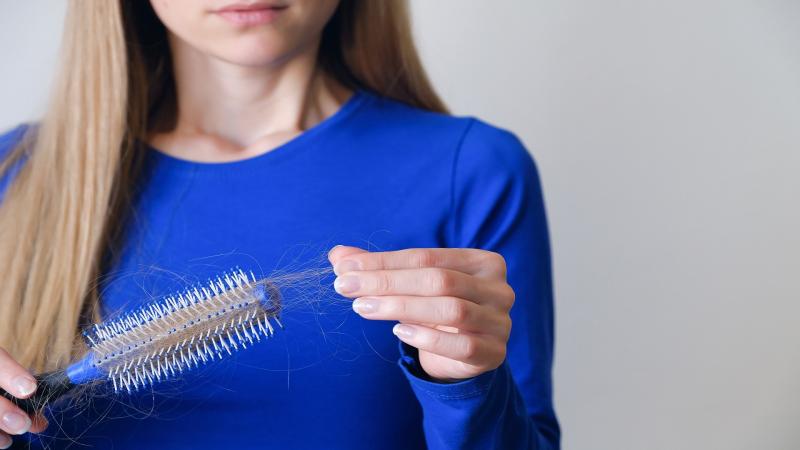
Many women notice an increase in hair loss after childbirth, often causing concern. However, this condition is usually temporary and natural, resulting from hormonal changes the body undergoes post-pregnancy.
During pregnancy, hair appears thicker and shinier due to elevated hormone levels. But this changes shortly after delivery as hair gradually returns to its natural growth cycle.
Why Does Hair Fall Out Postpartum?
The primary cause of postpartum hair loss is hormonal changes, although other factors can also impact hair health and increase shedding during the postpartum period.
Hormonal Changes: The Main Culprit

Increased Estrogen During Pregnancy
During pregnancy, estrogen levels rise significantly, extending the hair growth phase and delaying natural shedding. As a result, the scalp retains more hair, appearing fuller and more lustrous.
Hormone Decline After Birth
Post-delivery, estrogen levels drop rapidly back to normal, causing many hair follicles to enter a resting phase simultaneously, leading to noticeable shedding. This condition is known as postpartum hair loss.
Factors That May Exacerbate Postpartum Hair Loss
Though hormonal changes are the primary reason, certain health factors can amplify the problem or prolong recovery.
Iron Deficiency and Blood Loss
Blood loss during childbirth or low iron levels can weaken hair follicles and increase shedding. Hence, iron deficiency should be assessed if hair loss persists.
Stress and Lack of Sleep
Caring for a newborn presents challenges like sleep deprivation and constant stress. Elevated cortisol levels from stress can affect hair growth and increase loss.
Poor Nutrition
Postpartum, especially during breastfeeding, mothers need nutrients for body and hair health. Deficiencies in zinc, biotin, vitamin D, or protein can weaken hair and hinder growth.
Thyroid Disorders
Some women experience temporary thyroid issues post-birth, either hyperthyroidism or hypothyroidism, affecting hair health and causing significant shedding. Medical consultation is recommended if problems persist.
When Does Postpartum Hair Loss Start?
Typically, hair loss begins between the second and fourth month after giving birth, as hormone levels stabilize. Increased shedding during washing or combing is common at this stage.
When Does Hair Loss Stop?
Hair loss usually peaks around the third or fourth month postpartum and gradually decreases. Most women regain their natural hair fullness within 6 to 12 months, varying by health, nutrition, and genetics.
How to Reduce Postpartum Hair Loss?
Follow a Balanced Diet
Include meals rich in protein, iron, zinc, vitamin D, and B12, along with leafy greens, fruits, and nuts for hair follicle support.
Use Gentle Hair Products
Opt for hair products that suit your hair type, avoiding harsh chemicals that dry the scalp.
Avoid Harsh Styling
Avoid tight hairstyles and excessive use of heat styling tools, which can lead to hair breakage and loss.
Get Adequate Rest
While challenging with a newborn, getting enough sleep and reducing stress can improve overall health and hair condition.
When to Consult a Doctor?
Consult a doctor if hair shedding persists beyond a year postpartum, is severe with noticeable bald spots, or is accompanied by other symptoms like fatigue, weight loss, or menstrual irregularities, which may require medical diagnosis and treatment.
In conclusion, postpartum hair loss is a natural part of bodily changes after pregnancy. Along with proper nutrition, stress reduction, and hair care, hair growth can be supported and recovery accelerated. Consult a doctor if hair loss is prolonged or accompanies unusual symptoms.
See Also
Benefits of Niacinamide for Skin and How to Use It