


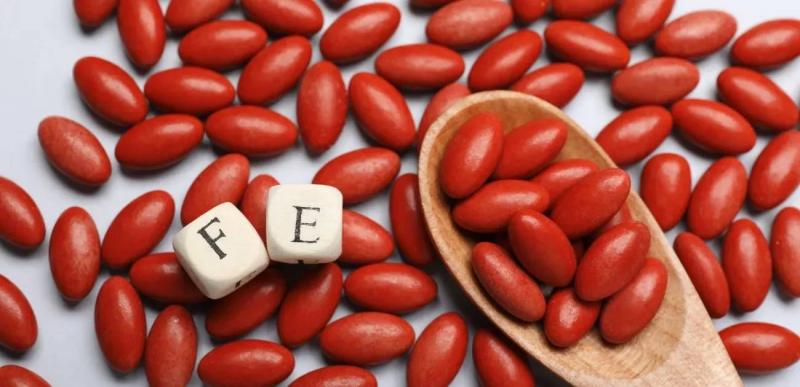
Iron supplements are a common topic for those suffering from iron deficiency or anemia. The timing and method of taking these supplements directly affect how much iron the body absorbs.
Additionally, some people make frequent mistakes, such as taking iron with coffee or milk, which significantly reduces its absorption. Doctors recommend following simple dietary guidelines to enhance iron absorption and quickly replenish the body's stores healthily and safely.
Why is Timing Important for Taking Iron Supplements?
Iron absorption depends on various factors, including the type of food in the stomach and the presence of nutrients that can enhance or hinder absorption. Choosing the right time to take the supplement helps optimize the dose's benefits. Consistently sticking to a schedule also improves treatment efficacy and minimizes the risk of forgetting doses.
Best Time to Take Iron Supplements

Take Iron on an Empty Stomach
It's best to take iron pills early in the morning, about 30 to 60 minutes before breakfast, as absorption is more effective on an empty stomach. If a morning dose isn't possible, it can be taken an hour before any main meal or at least two hours after food.
After Meals When Necessary
If food has been consumed, it's best to wait at least two hours before taking an iron dose since certain food components can reduce the amount of iron the body absorbs.
What if the Stomach is Sensitive?
Some people experience nausea, stomach pain, or constipation after taking iron supplements. In this case, it can be taken with a very light meal after consulting a doctor, avoiding foods that hinder iron absorption, like milk or tea.
Even though food may slightly decrease absorption, continuing treatment is better than stopping it due to side effects.
Is it Better to Take Iron Every Other Day?
Recent studies suggest that taking iron supplements every other day may improve absorption in some patients compared to daily intake. This method may reduce the rise in the hormone hepcidin, which regulates iron absorption in the body.
Nevertheless, it's important to follow the treatment plan set by a doctor, as the appropriate dose varies depending on the cause and severity of the iron deficiency.
How to Enhance Iron Absorption in the Body
You can boost the body's benefit from iron supplements by following simple dietary guidelines.
Take Vitamin C with Iron
Vitamin C is one of the best nutrients to enhance iron absorption. It's recommended to take the pill with a glass of fresh orange juice, lemon juice, or any source rich in vitamin C. You can also consume fruits like kiwi, strawberries, or guava with the dose for similar benefits.
Avoid Tea and Coffee
Coffee and tea contain compounds that reduce iron absorption. It's advised not to consume them at least two hours before or after the iron dose. The same applies to some carbonated drinks that contain compounds affecting mineral absorption.
Avoid Dairy Products
Calcium can interfere with iron absorption in the intestines. Therefore, it's best not to consume milk, yogurt, cheese, or calcium supplements simultaneously with iron pills. A time gap of at least two hours between them is recommended.
Limit High-Fiber Foods at Dose Time
Whole grains, bran, and some legumes may contain compounds that reduce iron absorption, so it's best to eat these foods at a different time from the supplement.
Separate Iron from Certain Medications
Some medications interfere with iron absorption or reduce its efficacy. These include:
-Antacids.
-Antibiotics.
-Thyroid medications.
-Calcium supplements.
It is advised to leave at least a two-hour gap between these medications and iron supplements or follow the doctor's and pharmacist's instructions.
Common Mistakes That Reduce Iron Absorption
Many people engage in practices that diminish treatment effectiveness, including:
-Taking iron with a cup of tea or coffee.
-Taking the pills with milk.
-Not adhering to dose timings.
-Stopping treatment once symptoms improve.
-Taking doses without consulting a doctor.
-Using iron supplements alongside other medications without time separation.
Ignoring these guidelines may prolong the treatment duration and delay replenishing the body's iron stores.
Side Effects of Iron Pills
Iron supplements may cause minor side effects such as:
-Nausea.
-Constipation.
-Stomach pain.
-Changes in stool color to black.
-Bloating in some cases.
These symptoms are often temporary and can be managed by following medical advice or altering the dose timing.

When Do Iron Deficiency Treatment Results Appear?
The treatment duration varies per individual based on deficiency severity and the underlying cause. Typically, hemoglobin levels begin to improve within a few weeks, while fully replenishing iron stores may take several months.
For this reason, it's advised not to stop taking supplements as soon as improvement is noticed. Instead, adhere to the duration specified by the doctor to ensure the complete rebuilding of iron stores and prevent recurrence of deficiency.
Tips for Best Results
To maximize the benefits of iron supplements, consider the following:
-Stick to the prescribed dose.
-Take iron at the same time daily or as instructed by the doctor.
-Drink enough water.
-Consume a diet rich in iron, like red meat, liver, lentils, and spinach.
-Supplement the diet with vitamin C sources.
-Conduct regular tests to monitor improvement in iron and hemoglobin levels.
Furthermore, maintaining a balanced diet helps sustain normal iron levels post-treatment.
In conclusion, choosing the correct timing to take iron pills and following dietary guidelines improves iron absorption and speeds up the treatment of iron deficiency and anemia. Therefore, always follow medical instructions and avoid adjusting doses or stopping treatment without consulting your doctor for optimal health outcomes.
See Also:
Does Iron Deficiency Cause Dizziness and Constant Fatigue?