


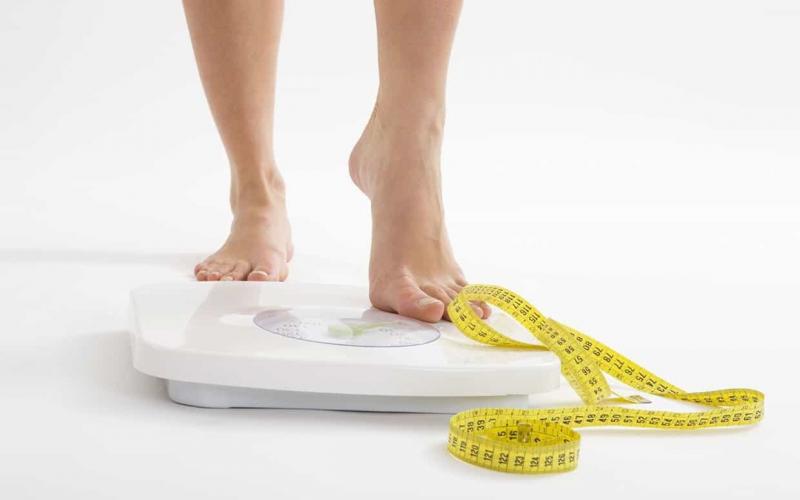
Weight plateau during dieting is a common concern for individuals aiming to lose weight and improve their health. After weeks of adhering to a diet and exercise regime, the scale may stall, leading to frustration and doubts about the diet's effectiveness, even while maintaining healthy habits.
In reality, weight plateau is a natural part of the weight loss journey for many. The body gradually adjusts to dietary changes and physical activity. Additionally, dietary, behavioral, and medical factors can influence the rate of fat burning.
What is a Weight Plateau During Dieting?
A weight plateau is when weight loss halts for a period despite continuing with a low-calorie diet and physical activity. This phase can last several days or weeks and doesn't necessarily mean the body has stopped burning fat as other changes might not appear on the scale.
Moreover, consuming sodium-rich foods, hormonal changes, or increased exercise intensity might lead to temporary water retention, affecting weight measures despite continuous fat loss.
Dietary Mistakes Leading to Weight Plateau

Not Consuming Enough Protein
Protein aids in maintaining muscle mass and increasing satiety. It also requires more energy to digest compared to fats and carbs, hence protein deficiency can slow down weight loss.
Inaccurate Calorie Counting
Some believe they adhere to calorie limits but miss counting sweetened drinks, sauces, or snacks, leading to extra calorie consumption that hinders weight loss.
Not Drinking Enough Water
Water plays a crucial role in bodily functions, supports satiety, and enhances metabolism. Conversely, dehydration can impair bodily functions.
Following Extreme Diets
Highly restrictive diets may lead to rapid initial weight loss, but they can cause the body to adjust by lowering its metabolic rate, making weight loss more challenging over time.
Impact of Lifestyle on Weight Plateau
Weight loss depends not just on diet but also on daily habits and activity levels.
Lack of Sleep
Insufficient sleep affects hunger-regulating hormones, increasing hunger hormone and reducing satiety hormone, which may lead to overeating.
Stress and Tension
Chronic stress elevates cortisol, which can increase appetite and make losing belly fat harder, especially with prolonged stress.
Lack of Physical Activity
Over time, the body may adapt to the same exercise routine, reducing the calories burned. Thus, changing exercise types or gradually increasing intensity is suggested.
Health Issues That Can Prevent Weight Loss
Sometimes, weight plateau is linked to health issues requiring medical assessment, such as:
Hypothyroidism
Low thyroid activity affects metabolic rate, slowing down weight loss compared to healthy individuals.
Polycystic Ovary Syndrome (PCOS)
Women with PCOS may struggle with weight loss due to hormonal changes and insulin resistance disorders.
Insulin Resistance
Insulin resistance affects glucose usage, making weight control more challenging, particularly with increased abdominal fat.
Certain Medications
Some medications for depression, allergies, or chronic diseases can cause weight gain or hinder its loss. Consulting a doctor before altering treatment is vital.
How to Overcome the Weight Plateau?

Overcoming a weight plateau involves several practical steps, including:
-Reassessing calorie needs.
-Increasing protein intake.
-Engaging in resistance exercises to maintain muscle mass.
-Changing exercise routines.
-Drinking adequate water.
-Ensuring sufficient daily sleep.
-Reducing stress and tension.
-Tracking body measurements instead of relying solely on the scale.
-Consulting a doctor if the plateau persists without a clear reason.
Furthermore, patience and consistency are crucial for success, as healthy weight loss happens gradually, not steadily every week.
Does Weight Plateau Mean Diet Failure?
The answer is no. Often, the body continues to burn fat even if the scale numbers don't change. The cause could be increased muscle mass or temporary water retention, making it essential to evaluate results through body measurements, fitness levels, and overall energy.
Tips for Maintaining Weight Loss
After overcoming a weight plateau, maintaining health habits that support ongoing results is crucial, such as balanced diet consumption, regular physical activity, sufficient sleep, and avoiding unsustainable extreme diets.
Additionally, periodic progress tracking and simple adjustments to dietary plans when needed help prevent weight regain.
Finally, reaching a weight plateau while dieting is a natural phase for many and doesn't mean fat loss has stopped or the diet has failed. The key is to continue a healthy lifestyle and keep motivation high because sustainable results require time and commitment.
See Also