


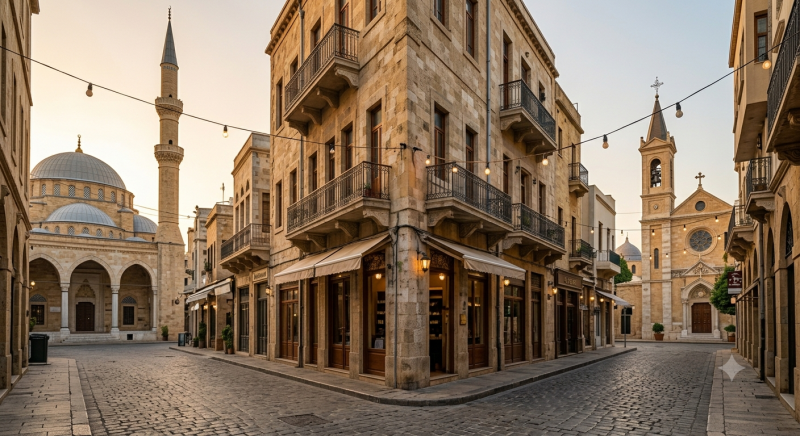
Lebanon is renowned for its vibrant religious and sectarian diversity, making it one of the most pluralistic countries in the Middle East. With a rich tapestry of sects that have coexisted for centuries, this diversity is deeply ingrained in its political and administrative systems. Lebanon relies on a confessional system distributing official positions based on sectarian affiliation, reflecting the country's demographic and religious makeup.
Determining Lebanon's largest sect is not straightforward due to the lack of an official census since 1932. Current estimates are based on demographic studies and population research rather than recent government statistics.
Which is the Largest Sect in Lebanon?
Modern demographic studies suggest that Shia Muslims constitute the largest single sect in Lebanon, followed by Sunni Muslims and Maronite Christians, with several other sects forming a significant part of Lebanese society. However, these figures remain estimates due to the absence of updated official data, causing variability among sources.
Recognized Sects in Lebanon
The Lebanese constitution and laws officially recognize 18 religious sects, categorized into Islamic and Christian sects, along with the Jewish community.
The Islamic sects include:
- Shia
- Sunni
- Druze
- Alawites
- Maronites
- Greek Orthodox
- Greek Catholics
- Armenian Orthodox
- Armenian Catholics
- Syriac Orthodox
- Syriac Catholics
- Chaldeans
- Latins
- Evangelicals
- Other officially recognized Christian sects
The Jewish sect is also recognized, although its numbers are now very limited.
Why No Recent Official Census?
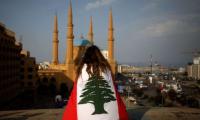
The last official population census in Lebanon dates back to 1932. Since then, no comprehensive survey has been conducted due to the sensitive nature of sectarian data and its potential impact on the political balance. Lebanon's system of power-sharing among different sects is based on this balance.
As a result, most contemporary studies rely on demographic estimates provided by research centers and international organizations rather than government data.
Sectarian Diversity's Impact on Politics
Lebanon's political system is characterized by sectarian power-sharing or 'confessionalism.' According to constitutional customs, the President is a Maronite Christian, the Prime Minister is a Sunni Muslim, and the Speaker of Parliament is a Shia Muslim. This arrangement aims to balance various elements within Lebanese society, though debates continue regarding its efficiency.
Do Muslims or Christians Form the Majority?
Most recent estimates indicate that Muslims, including all sects, outnumber Christians in Lebanon, though Christians still represent a significant portion of the population. This mix contributes to Lebanon's unique religious diversity in the Arab world.
Conclusion
Current population studies reveal that Shia Muslims represent the largest single sect in Lebanon. However, without a formal census since 1932, these numbers remain estimates rather than official figures. Lebanon's religious and sectarian diversity remains a defining feature of its society, influencing both its social and political landscapes.
Watch Also: