


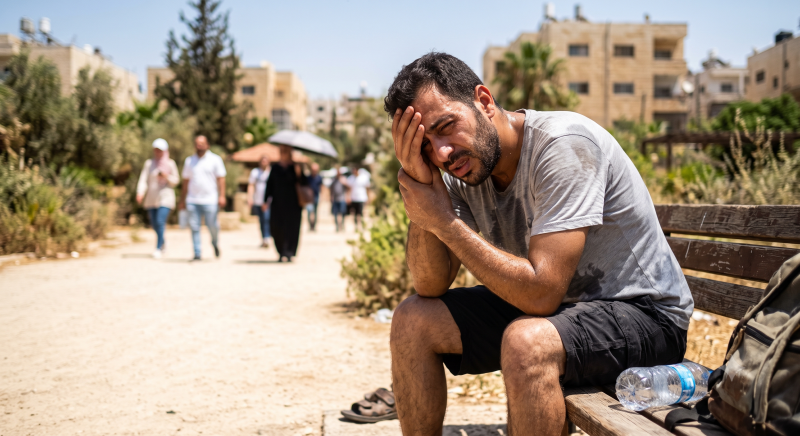
Dehydration is one of the most common health issues during the summer. As temperatures rise and physical activities increase, the body loses substantial amounts of water and salts through sweating.
If these fluids are not adequately replenished, there is a risk of reduced bodily functions and the onset of dehydration symptoms.
The severity of dehydration can vary. In mild cases, individuals may just feel thirsty and fatigued, while severe dehydration can lead to complications that require immediate medical attention, especially in children and the elderly.
Causes of Dehydration in Summer
1. High Temperatures
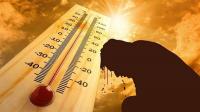
High weather temperatures increase fluid loss through sweating, raising the risk of dehydration if not enough water is consumed.
2. Physical Exercise
Sports activities and working in hot environments lead to higher water and salt losses, especially if not replenished during or after the activity.
3. Inadequate Fluid Intake
Some people may not feel the need to drink water until dehydration starts, so it is advised to regularly consume fluids throughout the day.
4. Diarrhea or Vomiting
Diarrhea or vomiting can cause significant fluid loss in a short time, increasing dehydration risk.
5. Certain Health Conditions or Medications
Conditions such as uncontrolled diabetes or fever, as well as certain diuretics, can increase fluid loss probability.
Symptoms of Dehydration in Summer
1. Severe Thirst
Thirst is one of the initial signs indicating the body needs fluid replenishment.
2. Dry Mouth and Lips
A person may experience a dry mouth and cracked lips due to decreased fluid levels in the body.
3. Reduced Urination
Urine becomes less frequent and often darker yellow, a common indicator of fluid deficiency.
4. Fatigue and Exhaustion
Dehydration can cause fatigue, low energy, and difficulty performing daily tasks.
5. Dizziness or Lightheadedness
A person might feel dizzy, particularly when standing quickly, due to reduced fluid volume.
6. Headaches
Headaches might accompany dehydration and often improve after drinking water and replenishing fluids.
7. Dry Skin
Reduced fluid levels can make skin less elastic and appear drier.
8. Accelerated Heartbeat
In moderate or severe dehydration, the body may increase heart rate to compensate for decreased fluid volume.
9. Muscle Cramps
Loss of water and salts, especially sodium and potassium, can cause painful muscle contractions during or after physical activity.
10. Confusion or Poor Concentration
Severe dehydration might lead to trouble concentrating or confusion, particularly in older adults.
Groups at Higher Risk of Dehydration
Groups needing special attention include:
- Children.
- Elderly adults.
- Athletes.
- Workers in hot environments.
- Individuals with chronic conditions like diabetes or kidney disease.
- Those experiencing diarrhea or vomiting.
See Also: