



The Arab nations encompass one of the largest continuous landscapes in the world, stretching from the Atlantic Ocean in the west to the Arabian Gulf and the Arabian Sea in the east, while covering North Africa, the Levant, and the Arabian Peninsula. This geographical expanse gives the region a diverse range of terrains, including vast deserts, mountains, plains, and extended coastlines.
The sizes of Arab countries vary significantly. Some possess vast areas making them among the world's largest in terms of landmass, while others are smaller but hold considerable economic or political importance. Understanding the largest Arab countries by area provides insight into the region's geographic diversity and natural resources.
List of the Largest Arab Countries by Area:
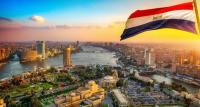
1. Algeria: The Largest Arab Country by Area
Algeria tops the list of the largest Arab countries by area, with approximately 2.38 million square kilometers, making it the largest nation in Africa by land area as well.
Located in North Africa, most of Algeria's territory lies within the Sahara Desert, with the majority of its population concentrated in the northern regions along the Mediterranean coast.
Algeria is rich in natural resources, especially oil and natural gas, and serves as a strategic link between Africa and Europe.
2. Sudan: The Second Largest Arab Country
Sudan ranks second, with an area of about 1.88 million square kilometers, making it one of the largest Arab and African countries.
Sudan boasts a vast geographical diversity, including fertile land along the Nile River, deserts, and mountainous areas, along with a long coastline on the Red Sea.
The country's importance lies in its abundant natural resources, extensive agricultural lands, and varied mineral wealth.
3. Libya: A Vast North African Arab State
Libya ranks third among the largest Arab countries, with an area of approximately 1.76 million square kilometers.
Most of Libya's land lies within the Sahara Desert, with its population concentrated in coastal cities along the Mediterranean Sea.
Libya is notable for its large oil reserves, as well as its geographical location serving as a bridge between North Africa and the Mediterranean region.
4. Mauritania: Vast Desert and Natural Wealth
Mauritania spans about 1.03 million square kilometers, making it the fourth largest Arab country by area.
Known for its vast desert landscapes, Mauritania also possesses significant mineral resources like iron, and a rich fishery due to its location on the Atlantic Ocean.
5. Egypt: Large Area with Strategic Importance
Egypt covers an area of about 1.01 million square kilometers and is among the largest Arab countries by space.
While much of its land is within the desert, its strategic geographical significance surpasses its size due to its position at the crossroads of Asia and Africa and ownership of the Suez Canal, a major global maritime route.
6. Saudi Arabia: The Largest State in the Arabian Peninsula
Saudi Arabia occupies approximately 2.15 million square kilometers, making it the largest country in the Arabian Peninsula.
The Kingdom features diverse terrains including deserts, mountains, and coastlines, and holds massive oil and gas reserves along with global religious significance due to Mecca and Medina.
7. Somalia: A Wide Area in the Horn of Africa
Somalia spans about 637,000 square kilometers, classifying it among the largest Arab nations in Africa by area.
It holds a strategic location overlooking the Gulf of Aden and the Indian Ocean, complemented by one of Africa's longest coastlines.
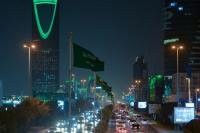
8. Yemen: Geographic Diversity in Southern Arabia
Yemen covers approximately 528,000 square kilometers, characterized by diverse topography including mountains, plateaus, and coastlines.
It holds strategic importance due to its access to the Bab al-Mandab, one of the world's key maritime passages.
9. Morocco: A Location Bridging Africa and Europe
Morocco occupies about 446,000 square kilometers, marked by significant natural diversity including mountains, deserts, and coastlines along the Atlantic Ocean and Mediterranean Sea.
It enjoys a strategic location near Europe.
10. Iraq: The Land of Mesopotamian Heritage
Iraq encompasses around 438,000 square kilometers, positioned in a region with significant historical and cultural importance.
It's distinguished by the Tigris and Euphrates rivers, along with its oil wealth and location bridging the Gulf and the Levant.
The Importance of Large Areas in Arab Countries
Countries with large landmasses have several advantages, including:
- Diverse natural resources.
- More space for agriculture and renewable energy projects.
- Strategically important locations.
- Environmental and geographical diversity.
- Opportunities for expansive economic and tourism projects.
Does a Large Area Mean Greater Economic Power?
A country's size doesn't always correlate with its economic strength, as smaller nations may have robust economies due to technology, investments, and human resources. However, a large area offers countries greater opportunities to leverage natural resources and geographic positioning.
Conclusion
Algeria leads the list of the largest Arab countries by area, followed by Saudi Arabia, Sudan, Libya, and Mauritania, possessing vast geographical landscapes and diverse natural resources.
The vast geographical span grants many Arab countries strategic and economic significance, be it through energy, agriculture, or geographical positioning.
See Also:
The Most Indebted Countries in the World