



The automotive industry continues to dominate as one of the most crucial sectors globally, acting as a cornerstone for economic growth and industrial advancement in various countries. With the rapid shift towards electric and smart vehicles, the competition among major nations to maintain their share in the global markets has intensified.
The growing global demand for vehicles has boosted production capacities in several emerging economies, while major industrialized nations have continued to develop their factories to keep pace with the global shift towards sustainable mobility.
How Are the Biggest Car Manufacturing Countries Ranked?
Countries are ranked based on the total number of vehicles produced annually, including both passenger and commercial vehicles. This ranking also considers data from international automotive authorities, as well as growth rates, industrial investments, and export volumes.
Top 10 Car Manufacturing Countries Worldwide
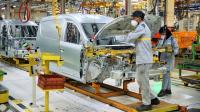
1. China
China leads globally by a significant margin, with an annual production exceeding 30 million vehicles. This success stems from a massive domestic market, governmental investments in manufacturing, and leadership in electric vehicle production.
Beyond that, Chinese companies have become major players in global markets, thanks to rapid technological advancement and low production costs.
2. United States
The United States holds the second spot, thanks to one of the world's largest manufacturing industries. The country benefits from the presence of giant companies and substantial investments in electric and autonomous vehicles.
Moreover, foreign company-owned factories in the U.S. contribute significantly to annual production volumes.
3. Japan
Japan maintains its position among top global producers, supported by brands renowned for quality and reliability. Japanese companies continue to invest in hybrid and hydrogen technologies, giving them a strong competitive edge in international markets.
4. India
India has experienced exceptional growth in recent years, making it a significant car manufacturing hub globally. This growth is attributed to low production costs, a vast domestic market, and government policies encouraging industrial investment. In return, local and global companies are expanding their factories to meet the rising demand.
5. South Korea
South Korea is a major industrial power in the automotive sector, with global firms successfully competing in diverse markets. Additionally, the country invests heavily in electric vehicles and battery technologies, bolstering its global standing.
6. Germany
Germany is the largest car manufacturer in Europe, famous for luxury vehicles and precision engineering. Furthermore, German companies are investing significantly in electric vehicle transition to maintain global competitiveness.
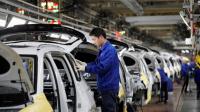
7. Mexico
Mexico has emerged as a global center for car assembly and manufacturing, aided by its proximity to the U.S. market and international trade agreements. Also, the country hosts factories for numerous global companies that rely on it to export to various markets.
8. Spain
Spain is one of the major car manufacturing centers in Europe, with factories for many global brands. It benefits from advanced infrastructure and a skilled workforce, helping maintain high annual production.
9. Brazil
Brazil is the largest car producer in South America, relying on large local demand and exports to the region. The government also aims to attract more investments to support the industry in the coming years.
10. Thailand
Thailand rounds out the list as a key industrial hub in Southeast Asia, known for producing passenger cars and light trucks, along with ongoing expansion in electric vehicle manufacturing.
Why Do These Countries Lead in Car Manufacturing?
The leading countries in this sector rely on a blend of factors, such as strong industrial infrastructure, available supply chains, skilled labor, and investment in technology and research and development. Additionally, large domestic markets increase demand, prompting companies to expand production.
Conversely, the industry faces increasing challenges, including rising raw material costs, the shift to clean energy, and fierce global competition. Nonetheless, leading companies and nations continue to develop new technologies to sustain growth.
The Future of Global Car Manufacturing
Projections indicate continued growth in car production over the coming years, particularly with the rising prevalence of electric and smart vehicles. Investments in batteries, software, and autonomous driving systems are expected to increase, fundamentally altering the industry's landscape.
Moreover, Asian markets are poised to play a more significant role in driving global growth, while traditional industrialized countries focus on innovation and quality to maintain their share in international markets.
In conclusion, the ranking of the top 10 car manufacturing countries in the world for 2026 underscores that competition is no longer solely based on the number of vehicles produced. It also involves innovation, technology, and sustainability.
With the accelerated shift towards electric and smart vehicles, changes in this ranking are expected in the coming years amid a global race to lead the future of car manufacturing.
See also: