


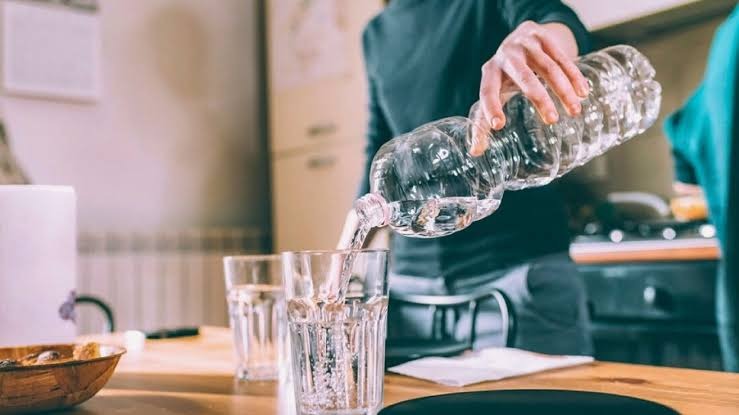
Water makes up a significant portion of the human body and is involved in many vital processes, such as regulating body temperature, transporting nutrients, and eliminating waste. Keeping well-hydrated may enhance overall body functions, including weight-related processes.
While the belief is widespread that consuming large amounts of water directly burns fat, the truth is more complex. Water might assist as part of a healthy lifestyle but does not replace the need to reduce caloric intake or exercise.
Does Drinking Water Aid in Weight Loss?
Yes, drinking water can help indirectly with weight loss, particularly when it is part of a healthy diet. Water contains no calories and may help decrease sugary drink intake, increase fullness, and support processes needed for energy balance.
However, water alone will not lead to weight loss without changes in dietary habits and physical activity levels.
How Does Water Help in Weight Loss?
Increasing Fullness and Reducing Food Intake
Drinking water before meals might help some individuals feel fuller, leading potentially to less food consumption. This effect is more noticeable in those who sometimes confuse thirst for hunger.
Thus, regular water consumption could help manage appetite and reduce excess calorie intake.
Replacing High-Calorie Drinks
Sugar-laden drinks, ready-made juices, and sodas are common sources of additional calories. Replacing them with water can lower daily calorie intake significantly, supporting weight loss efforts.
Supporting Metabolic Functions
Some research indicates drinking water might temporarily and slightly increase the rate at which energy is burned, especially when consuming cold water, because the body uses a small amount of energy to warm the water to body temperature.
This effect is limited and not a primary method for weight loss.
Improving Exercise Performance
Water maintains body hydration, which is crucial during physical activity. Dehydration can lead to fatigue and decreased exercise capability, whereas proper hydration helps enhance performance, a key component in weight loss.
How Much Water Should Be Consumed Daily for Weight Loss?
There is no one-size-fits-all amount, as water needs vary based on:
- Age.
- Weight.
- Level of physical activity.
- Weather temperature.
- Health condition.
- Diet.
In general, most adults need to drink enough water daily to stay hydrated, with increased needs in hotter climates or during exercise.
Does Drinking Water Before Meals Lead to Weight Loss?
Drinking water before meals may help some people eat less, especially if it increases their feeling of fullness.
However, this effect varies among individuals and doesn't imply that pre-meal water consumption alone results in weight loss.
Does Warm or Hot Water Aid in Fat Burning?
No strong scientific evidence proves that warm or hot water directly burns fat. Some may find it comforting, but it has no special weight-loss advantage over water at normal temperature.
Common Mistakes Related to Water Consumption and Weight Loss
Drinking Excessive Water
Excessive water intake does not speed up weight loss and may cause health issues in rare cases, like electrolyte imbalance.
Relying Solely on Water
Water cannot replace a healthy diet, as weight loss primarily depends on balancing calorie intake and expenditure.
Ignoring True Hunger Signals
Although drinking water may sometimes reduce hunger sensations, the body still requires food for energy and essential nutrients.
Also Read: