


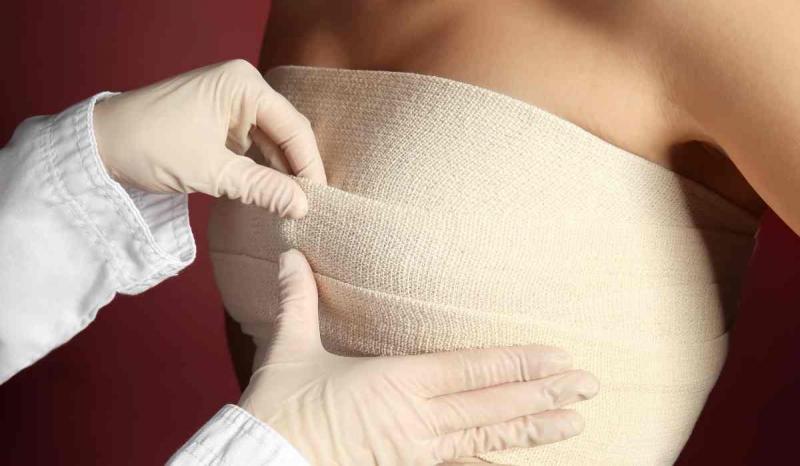
Many women opt for breast augmentation surgery to enhance body appearance or restore breast size following pregnancy, breastfeeding, weight loss, or mastectomy. Despite advancements in surgical techniques and the development of silicone and saline implants, the procedure still presents certain risks that should be understood before making a decision.
Having a thorough understanding of potential complications and discussing them with a qualified plastic surgeon can lead to a well-informed decision. Following the surgeon’s instructions before and after the surgery significantly helps reduce the chances of any complications.
What is Breast Augmentation?
Breast augmentation is a surgical procedure aimed at increasing breast size and improving its shape using silicone implants, saline implants, or autologous fat transfer in selected cases. The appropriate method is chosen based on body shape, breast size, patient preference, and a specialist's evaluation.
Major Risks of Breast Augmentation Surgery
1. Infection
Infections can occur at the surgical site within days or weeks post-surgery.
Symptoms include:
- Severe redness
- Increased skin temperature
- Discharge
- Fever
- Heightened pain
In some cases, temporary implant removal may be necessary to treat the infection.
2. Bleeding or Hematoma
Blood may collect around the implant post-surgery, causing sudden swelling, intense pain, and asymmetry in breast size. Some cases may require surgical intervention to drain the blood.
3. Scarring
All surgeries leave scars, though most fade over time. Scars can be more pronounced in individuals prone to forming thick scars.
4. Capsular Contracture
This is one of the most common complications of breast augmentation. It occurs when a thick fibrous capsule forms around the implant, leading to breast hardness, a change in shape, pain, and implant distortion. Severe cases may require implant replacement or surgical capsule removal.
5. Implant Rupture
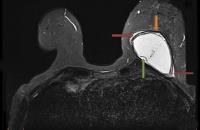
Implants may rupture over time or due to significant injury.
- Saline Implants: The saline solution is released and absorbed by the body, causing a rapid decrease in breast size.
- Silicone Implants: This may lead to "silent rupture," with no visible symptoms. MRI or ultrasound may be recommended as needed.
6. Changes in Nipple or Breast Sensation
Some women experience reduced sensation, increased sensitivity, or numbness. These symptoms usually improve within months but may persist in a minority of cases.
7. Asymmetry
Final results may show variations between breasts in terms of size, height, shape, and nipple position, occasionally necessitating corrective surgery.
8. Implant Displacement
Over time, implants may shift due to weakened tissue, vigorous physical activity, or injury, visibly altering breast shape.
9. Seroma
Fluid may accumulate around the implant post-surgery, causing swelling, a feeling of pressure, or mild pain. Fluid drainage might be required.
10. Need for Additional Surgeries
It’s important to understand that breast implants are not lifetime devices, and patients may need implant replacement, removal, breast shape correction, or complication treatment in the future.
Rare but Significant Risks
Rare complications include allergic reactions to materials used during surgery, necrosis of some skin or nipple tissue due to poor blood supply (very rare), chronic inflammatory responses, and Breast Implant-Associated Anaplastic Large Cell Lymphoma (BIA-ALCL), a rare cancer affecting the tissue surrounding some implants, but not breast tissue itself.
Do Implants Affect Breast Cancer Detection?
Mammograms are still possible with implants, provided that the radiologist is informed beforehand. Special imaging techniques are used to obtain clearer images. Ultrasound or MRI might be recommended in some cases.
How to Minimize Surgery Risks?
To reduce complication risks, it is advised to choose a certified and experienced plastic surgeon, undergo necessary pre-surgery tests, follow pre and post-surgery instructions, avoid smoking, wear medical bras during recovery, avoid strenuous activities until approved by a doctor, and attend all follow-up appointments.
When to Consult a Doctor Immediately?
Seek medical attention or emergency care if you experience a high fever, intense and increasing pain, sudden breast swelling, pus or discharge from the wound, continuous bleeding, or breathing difficulty or chest pain.
Do the Benefits Outweigh the Risks?
For most women, breast augmentation is safe when performed by a qualified surgeon, and with adherence to medical instructions. Nevertheless, all benefits and risks should be thoroughly discussed beforehand, understanding that implants may require future monitoring or replacement.
Conclusion
Breast augmentation is one of the most successful and widely performed cosmetic surgeries, yet like any surgery, it may involve complications such as infection, capsular contracture, implant rupture, or the need for future surgeries. Choosing the right surgeon, adhering to post-surgery care, and regular follow-ups are key to achieving safe, long-term outcomes.
See also
Cost of Facial Cosmetic Surgery in Beirut
Differences in Breast Augmentation with Silicone and Autologous Fat