


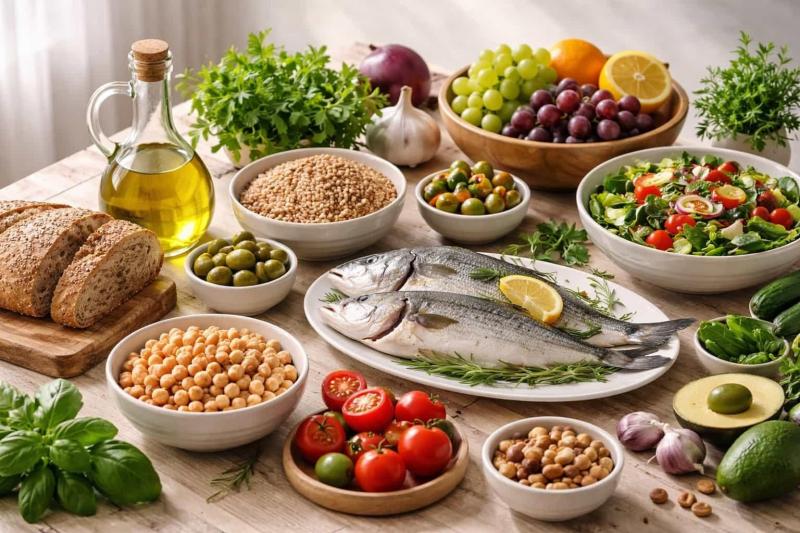
The Mediterranean Diet is more than just a weight-loss diet; it represents a lifestyle centered around consuming balanced, natural foods that provide essential nutrients without an excess of harmful fats or sugars.
This diet has gained worldwide recognition for its association with a lower incidence of heart disease and obesity, and its ability to maintain a healthy weight sustainably, unlike restrictive diets based on deprivation.
What is the Mediterranean Diet?
The Mediterranean Diet draws inspiration from the traditional eating habits of regions bordering the Mediterranean Sea. Fresh, natural foods form the core of its daily meals.
Key components include:
- Vegetables and fruits
- Olive oil as a primary source of healthy fats
- Whole grains
- Nuts and seeds
- Legumes
- Fish and seafood
- Moderate amounts of poultry and dairy products
It also reduces the intake of:
- Red meats
- Processed foods
- Added sugars
- Sugary drinks
Benefits of the Mediterranean Diet
1. Heart Health Enhancement
Regarded as one of the best diets for heart health, it emphasizes healthy fats from olive oil, nuts, and fish, which can:
- Lower bad cholesterol levels
- Improve vascular health
- Help control blood pressure
2. Weight Loss Aid
Though it does not restrict many foods, the Mediterranean Diet promotes weight loss through:
- Increased fiber intake for satiety
- Relying on healthy proteins
- Reducing high-calorie, sugary foods
- Enhancing meal quality
3. Improves Blood Sugar Levels
Whole grains, vegetables, and legumes slowly absorb carbohydrates, potentially improving blood sugar control and reducing insulin resistance risk.
4. Reduces Body Inflammation
This diet includes antioxidant-rich and natural compounds that help in reducing chronic inflammation linked with various diseases.
5. Supports Brain Health and Memory
Numerous studies suggest diets rich in vegetables, fish, and olive oil can maintain brain health and reduce the risk of cognitive decline with aging.
Permissible Foods in the Mediterranean Diet
Vegetables and Fruits
They are the cornerstone of this diet, including:
- Tomatoes
- Cucumbers
- Leafy greens
- Apples
- Oranges
- Berries
Daily consumption is encouraged for fiber and vitamins.
Olive Oil
A key component, replacing butter and unhealthy fats, it contains monounsaturated fats and antioxidants.
Whole Grains
Preferred options include:
- Whole grain bread
- Oats
- Bulgur
- Brown rice
- Quinoa
Instead of white flour products.
Fish and Seafood
Recommended at least twice a week, especially:
- Salmon
- Sardines
- Tuna
- Omega-3 rich fish
Nuts and Legumes
Including:
- Almonds
- Walnuts
- Chickpeas
- Lentils
- Beans
These are excellent protein and fiber sources.
Foods to Limit
While not entirely prohibited, the Mediterranean Diet advises minimizing:
- Red meat
- Processed meats like sausages
- Sweets
- Soft drinks
- Ready-made foods
- Fast foods
How to Implement the Mediterranean Diet Daily
Breakfast
- Greek yogurt with nuts and fruit
- Whole grain bread with olive oil and thyme
- Oats with fruit
Lunch
- Grilled fish with salad and vegetables
- Grilled chicken with bulgur and vegetables
- Lentil dish with green salad
Dinner
- Large salad with chickpeas
- Low-fat cheese with vegetables
- Vegetable soup with whole grain bread
Healthy Snacks
- A handful of nuts
- Fresh fruit
- Chopped vegetables
- Natural yogurt
Tips for Successful Dieting
- Make vegetables half of your plate in most meals.
- Use olive oil in moderation.
- Drink enough water.
- Exercise regularly.
- Eat slowly to savor your meals and feel full.
- Reduce processed foods as much as possible.
Is the Mediterranean Diet Suitable for Everyone?
Generally suitable for most people due to its balanced nature, some with specific health conditions like kidney disease or food allergies may need to adjust certain aspects with a nutritionist's guidance.
ConclusionThe Mediterranean Diet is one of the best dietary regimes, offering health and enjoyment. It doesn't focus on deprivation but on selecting natural foods rich in beneficial nutrients. By committing to vegetables, olive oil, fish, and whole grains, you can support heart health, improve weight, and maintain a healthy lifestyle long-term.