



The ovaries play a crucial role in the female reproductive system, producing eggs and releasing essential hormones such as estrogen and progesterone. During each menstrual cycle, small cysts may naturally form, but some continue to grow or emerge due to various health conditions.
The causes of ovarian cysts vary based on their type, which can be associated with normal ovulation, hormonal imbalances, or medical conditions like endometriosis. Identifying the cause helps doctors determine whether monitoring or treatment is necessary.
What Are Ovarian Cysts?
Ovarian cysts are fluid-filled sacs or pockets that develop in or on the surface of an ovary. Most are benign and asymptomatic, while some can cause pain or complications if they enlarge, rupture, or twist.
Causes of Ovarian Cysts
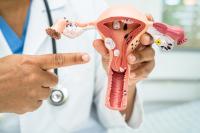
Normal Ovulation (Functional Cysts)
Ovulation is the most common cause of ovarian cyst formation. A follicle containing the egg grows during each menstrual cycle and usually bursts to release it. However, if the follicle doesn't rupture or dissolve post-ovulation, it fills with fluid, becoming a functional cyst. These typically resolve on their own within weeks or months without treatment.
Polycystic Ovary Syndrome (PCOS)
PCOS is commonly linked to numerous small follicles inside the ovary due to ovulatory and hormonal disturbances. Not every ovarian cyst indicates PCOS, as the syndrome differs from temporary solitary cysts.
Endometriosis
Endometriosis can lead to the formation of "chocolate cysts," which are cysts filled with old blood from endometrial tissue spreading outside the uterus to the ovary. This condition can cause severe menstrual pain and impact fertility.
Pregnancy
An ovarian cyst may appear early in pregnancy, supporting it until the placenta takes over. This cyst usually disappears as the pregnancy progresses without issues.
Benign Tumors
Some ovarian cysts result from benign tumors, such as dermoid cysts containing fat, hair, or various tissues. Though generally non-cancerous, they may require removal if they enlarge or cause symptoms.
Severe Pelvic Infections
In some cases, acute infections in the reproductive system spread to the ovary and fallopian tube, forming cysts or abscesses that need prompt treatment.

Risk Factors Increasing Cyst Formation
Certain factors elevate the likelihood of developing ovarian cysts, including hormonal disturbances affecting ovulation, previous ovarian cysts, endometriosis, and the use of ovulation-inducing fertility medications.
Symptoms of Ovarian Cysts
Most ovarian cysts are asymptomatic, but when symptoms appear, they may include:
Pain in the Lower Abdomen
Women may experience pain on one side of the pelvis, which can be persistent or come and go, and may intensify during menstruation or after sexual intercourse.
Feeling Full or Bloated
A large cyst may cause a feeling of pressure or bloating in the lower abdomen.
Menstrual Disturbances
Some women notice changes in menstrual timing or flow, particularly if the cyst is linked to a hormonal disorder.
Frequent Urination
A large cyst might press on the bladder, increasing urinary urgency.
Related Articles: