


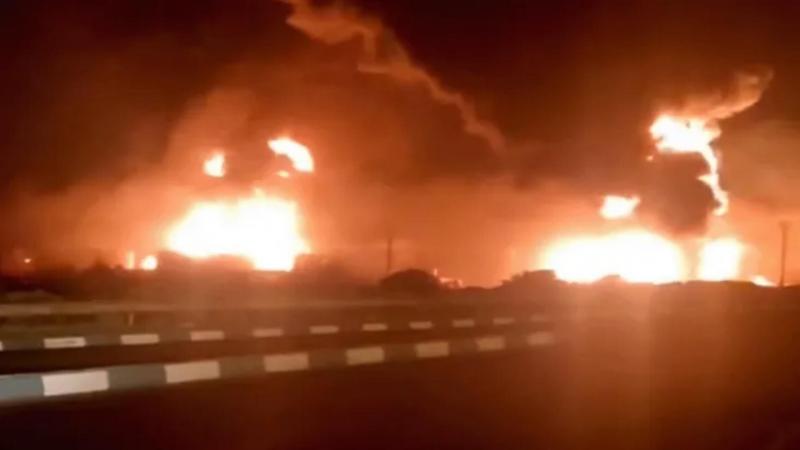
The United States and Israel are preparing for a potential extensive bombing campaign against energy-related facilities in Iran. The strikes could commence over the weekend or early next week, according to a CBS News report citing multiple sources.
The report indicates the list of potential targets includes power plants, refineries, and other infrastructure facilities. This escalation could shift the confrontation from a focus on military sites to facilities impacting Iran's economy and the government’s operational capacity. However, President Donald Trump has not yet issued final orders to begin the operation.
Sources say Israel has been informed of the plans and is coordinating with Washington, though an Israeli government spokesperson did not respond to CBS's request for comment. If conducted jointly, the operation would mark Israel's return to combat after halting its operations during a U.S.-brokered ceasefire.
Officials have discussed concluding the campaign before financial markets open on Monday morning, concerned about how targeting energy facilities might affect the U.S economy and global markets. However, a definitive timeline or duration for the operation has not been set.
The plan was presented during a U.S. government meeting led by Trump at Camp David on Friday, according to sources who were later briefed on the discussions. The CBS report noted that White House aides focused on political implications strongly opposed the option, citing concerns over rising energy prices and increased war costs. The White House confirmed a televised ministerial meeting at Camp David on Friday.
During the meeting, Trump vowed to strike Iran "very hard," stating his administration's goal of achieving victory, while the Department of Defense expressed readiness to execute the president's orders without pre-commenting on possible targets.
U.S. senior officials also discussed the possibility of cutting power to Tehran, though no decision had been made by Friday afternoon. A former U.S. military official said targeting energy infrastructure could aim to reduce Iran's military ability to provide services and manage operations.
These plans follow a 13-night-long American campaign in July targeting military command centers, drone warehouses, communication networks, coastal monitoring sites, and naval capabilities, reported by U.S. Central Command.
Previously, Trump threatened to target Iranian bridges and power stations in response to any attack on commercial ships in the Strait of Hormuz. Washington also reinstated a blockade on Iranian ports after a memorandum of understanding that ensured safe passage in the strait collapsed.
In response to the reports, Iran's Tasnim news agency quoted an Iranian official dismissing the potential U.S.-Israeli attack on energy targets as "reckless."
The official stated that Iran has prepared a comprehensive plan to respond to any "potential American recklessness," including targeting vital U.S. and Israeli infrastructure in the region.
Attacking the energy sector isn't unprecedented in this conflict, as in March, Israel bombed the South Pars gas field, prompting the U.S. to halt further attacks after Iran retaliated by targeting energy facilities in Gulf countries, causing a sharp rise in oil and gas prices.
The plan remains under military readiness and political coordination, not signifying imminent strikes. However, including energy facilities as targets increases the risk of war expansion, possibly provoking a new Iranian response and disruption in energy supplies and global markets.
U.S. and Israel Consider Strikes on Iranian Energy Facilities
Share