


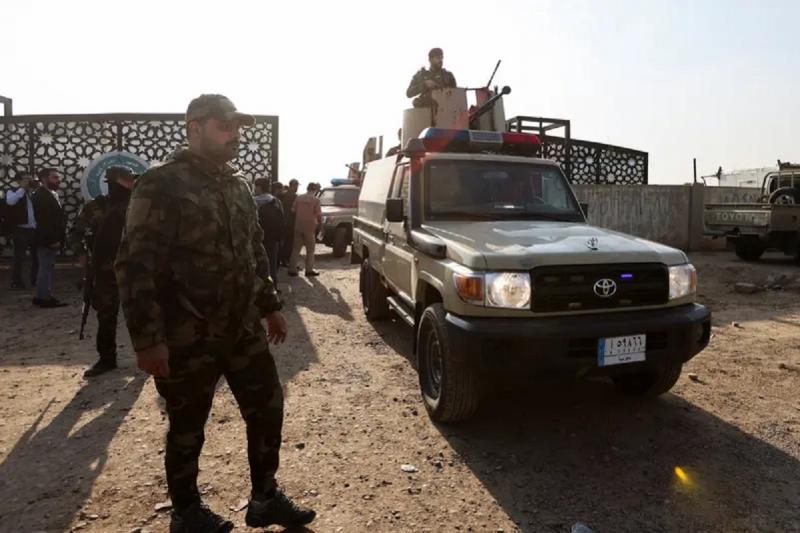
In the ongoing push to regulate and centralize weapon control, Iraq's Ministry of the Interior has announced the registration of over half a million unlicensed firearms.
Speaking at a press conference on Monday, the ministry emphasized, "All weapons must be under state control."
It also stated that "any drone launched without permission will be treated as an act of terrorism."
Furthermore, the ministry revealed the establishment of an information database for 6 million weapons.
Additionally, 71 fake offices claiming ties to the Popular Mobilization Forces have been shut down, according to the "WAA" agency.
Iraq's plan to centralize weapons under state control is part of a national project launched by the Ministry of the Interior in collaboration with the Permanent National Committee for Disarmament two years ago. However, Iraq's current Prime Minister, Ali Zaidy, has prioritized this issue since his election.
He has reiterated over the past months that Iraq has no choice but to regain complete control over weapons, stressing that armed groups outside state institutions pose a threat to the state's structure.
Last June, Iraqi authorities intensified their efforts to consolidate weapon control, receiving arms from some factions.
The weapon control campaign has been integrated into a larger anti-corruption campaign, with increased monitoring of border points to prevent weapon smuggling.
This issue of consolidating weapon control under the government has been a significant political and security topic in Iraq since 2003. Interest surged after armed groups emerged during the fight against ISIS in 2014, before the legal organization of the Popular Mobilization Forces in 2016 as part of the Iraqi armed forces under the command of the armed forces chief.
Despite the legal framework integrating the Popular Mobilization Forces within state institutions, the organization of weapon control and the relationship between the state and armed factions remain sensitive topics in the Iraqi landscape, with ongoing political calls to ensure that security and military decisions are within the official state institutions.