


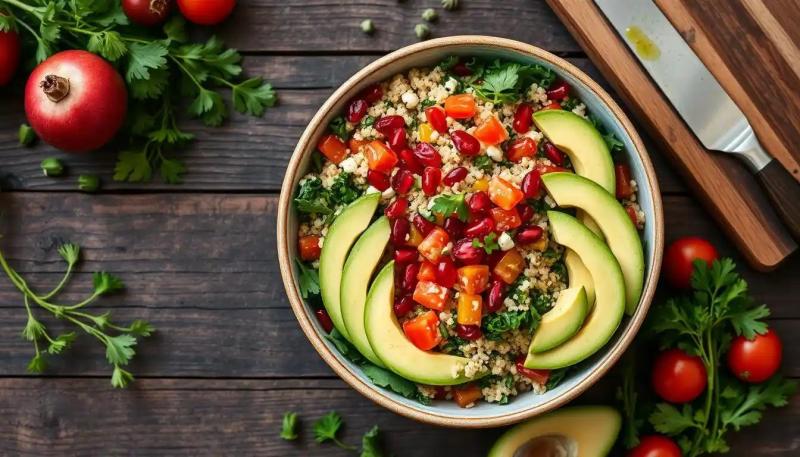
The popularity of Lebanese cuisine among tourists isn't tied to a single dish. Instead, it lies in the variety found on a Lebanese table, known for fresh ingredients and robust, balanced seasonings. Many dishes are served as part of a communal meal, bringing together appetizers, salads, grills, and desserts.
Furthermore, Lebanese food offers a rich diversity between vegetarian, meat, and dessert dishes, allowing tourists to experience multiple flavors in one meal. From tabbouleh, fattoush, and hummus to kibbeh, shawarma, and grills, there's something for everyone.
7 Lebanese Dishes Tourists Love
1. Lebanese Tabbouleh: The Refreshing Staple
Tabbouleh tops the list of Lebanese dishes attracting tourists, especially those seeking a light, refreshing meal rich in herbs and vegetables. Though similar salads exist globally, Lebanese tabbouleh is distinct due to its high parsley content and unique preparation style.
The dish primarily consists of finely chopped parsley, tomatoes, and mint, with a small amount of bulgur. Olive oil and lemon juice are added for a tangy and refreshing flavor, giving tabbouleh its signature green color and a taste that combines herbs and acidity.
To many tourists, tabbouleh perfectly represents the Lebanese kitchen's essence, blending simplicity and freshness, making it one of the first dishes they order.

2. Kibbeh: Lebanese Flavor in Many Forms
Kibbeh is another dish that captures tourists' curiosity, not just for its taste but for its diverse preparation methods. Offered fried, baked in trays, or served raw, each type presents a completely different experience.
Traditional kibbeh is made from bulgur, meat, and spices. The fried versions are usually stuffed with minced meat, onions, and pine nuts, becoming crispy on the outside with a flavorful filling.
In contrast, tray-baked kibbeh is served in geometric shapes, while raw kibbeh appeals to those seeking more traditional and daring flavors. For tourists, kibbeh offers a deep dive into Lebanese culinary practices intertwined with family traditions and social events.
3. Hummus with Tahini: Discover the Lebanese Twist
While hummus is renowned worldwide, tourists visiting Lebanon often find the local version unique in texture and flavor due to the method of preparing the chickpeas, tahini, lemon balance, garlic, and olive oil.
Lebanese hummus is known for its creamy, smooth consistency, typically served as an appetizer with Arabic bread, pickles, and vegetables. Variations like hummus topped with meat and pine nuts stand out, featuring sautéed minced meat with pine nuts on top.
Alternatively, hummus can be enjoyed simply with olive oil, making it a great accompaniment to a wide variety of dishes, contributing significantly to the quintessential Lebanese dining experience.
4. Lebanese Shawarma: The Street Food Star
If there's a Lebanese dish that tourists can enjoy anytime, it's shawarma. Both chicken and beef shawarmas are beloved street foods in Lebanon, thanks to the marinated meat, sauces, vegetables, and fresh bread combination.
Chicken shawarma is often served with garlic sauce, fries, and pickles, while beef shawarma is paired with tahini, parsley, and sumac-spiced onions, balancing the rich taste with acidity, heat, and spices.
Tourists find Lebanese shawarma distinct from the versions they're used to, especially when served in fresh Arabic bread with locally made sauces. Beyond the flavor, the preparation in front of the customers and quick assembly make shawarma a sought-after street food experience for many travelers.
5. Fattoush with Pomegranate Molasses: A Unique Crunch
Fattoush offers a different experience from tabbouleh, using fresh vegetables mixed with crunchy fried or toasted bread and a distinct Lebanese dressing. Typically, it involves lettuce, cucumber, tomatoes, radishes, herbs, and seasonal greens, with a real secret in its dressing of sumac, pomegranate molasses, lemon juice, and olive oil.
This combination attracts tourists due to its delightful contrast of crispy bread, fresh vegetables, and the sweet-sour taste of pomegranate molasses. Fattoush easily harmonizes with various dishes, whether grills, appetizers, or main courses.
Moreover, fattoush showcases the Lebanese kitchen's ability to turn simple, readily available ingredients into a dish rich in flavor and character.
6. Mixed Grills: The Charcoal Experience
No Lebanese culinary experience for many tourists is complete without trying mixed grills, which typically include items like shish taouk, kafta, or lamb cubes, varying by restaurant and region.
The allure of mixed grills lies in the marinade and charcoal cooking method, granting the meats a smoky flavor and savory crust while retaining their tenderness. Tourists are also intrigued by the presentation style, where hot grills arrive at the table over bread or alongside onions and parsley, turning the meal into a visual and sensory feast.
7. Lebanese Kunafa with Cheese: Dessert for Breakfast
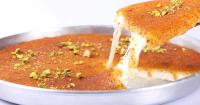
Kunafa with cheese, though last on the list, holds just as much significance to tourists' experience of Lebanese desserts as the savory dishes. Part of its fame stems from its unique presentation style compared to other regional kunafa varieties.
The dish features a crunchy semolina or kunafa pastry layer atop melted cheese, topped with rose or orange blossom-flavored syrup. When served hot, the interplay of stretchy cheese with the crispy layer and syrup becomes a high point of the experience.
Special mention goes to the kunafa served in sesame bread in some areas and shops, transforming it from a dessert into a hearty breakfast favored by many visitors. Additionally, kunafa is tied to longstanding Lebanese morning and popular customs, offering tourists a glimpse into a different facet of local food culture beyond traditional tourist restaurants.
How Tourists Choose Lebanese Dishes to Try
For a first visit to Lebanon, the best way to explore the local cuisine is not to stick to one dish. Start with tabbouleh, hummus, and fattoush to sample appetizers and salads, then move on to kibbeh, shawarma, or mixed grills for heartier fare.
As for desserts, kunafa offers a totally distinct experience, especially when enjoyed in the morning or following a traditional Lebanese meal. Meanwhile, tourists can try shawarma from popular spots to taste the street food aspect, saving another meal for grills and kibbeh, which call for longer preparation.
Lebanese Cuisine: More Than Just Dishes
What draws tourists to Lebanese food is its full cultural experience, not just a list of dishes. The shared plates on the table, varied appetizers and salads, and the use of olive oil, herbs, and spices all contribute to a socially engaging meal.
Moreover, many Lebanese dishes have been intertwined with family gatherings and hospitality traditions over generations. Thus, enjoying these in Lebanon offers visitors an experience hard to replicate elsewhere. Additionally, Lebanon's geographic diversity influences the local cuisine, with some recipes and preparation methods varying from region to region, opening the way for tourists to discover new flavors throughout their journey.
Ultimately, Lebanon provides a snapshot of the great diversity inherent in Lebanese cuisine, from tabbouleh, fattoush, and hummus to kibbeh, shawarma, mixed grills, and then cheese kunafa.
Yet, the success of these dishes isn't found in their ingredients alone. It's the preparation, presentation, and the social ambiance that surrounds them. The Lebanese table thrives on sharing and diversity, making the dining experience an essential part of the travel adventure.
See Also
Best Breakfast Spots in Jounieh