


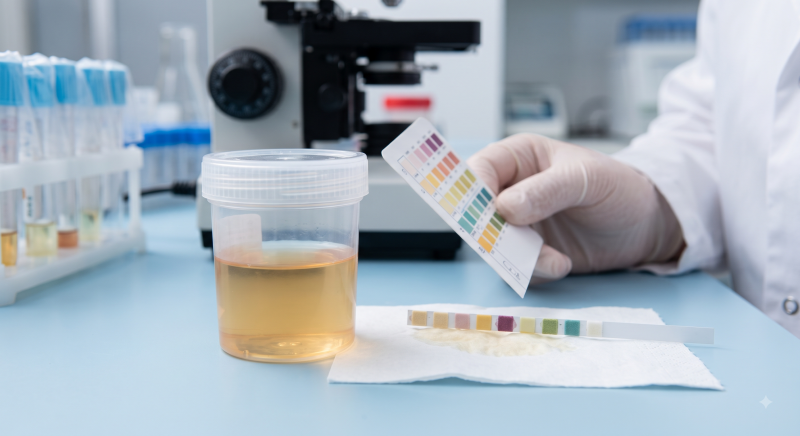
Urinary Tract Infections (UTIs) are common issues that can cause burning sensations during urination, frequent urination, and lower abdominal pain.
The recovery time varies depending on the type and location of the infection, the speed of treatment initiation, and the body's response.
Generally, in simple bladder infections, improvement can begin within two to three days of starting suitable treatment, though prolonged symptoms don't necessarily mean treatment failure.
More complicated cases, such as kidney infections, need longer treatment and closer medical follow-up.
How Long Does UTI Treatment Take?
The treatment duration depends on the infection's type and location. For uncomplicated bladder infections, improvement typically occurs within 48 to 72 hours of starting the appropriate antibiotic, although mild symptoms might linger briefly.
If the infection is more severe or reaches the kidneys, longer treatment might be necessary, potentially requiring hospitalization, especially with high fever, vomiting, or severe pain.
No single timeframe applies to all cases, and doctors determine treatment duration based on symptoms and urine analysis results.
How Many Days Does Bladder Infection Treatment Last?
In adults, treatment for short-term bladder infections usually lasts several days when using the right antibiotic. The duration varies by medication type and health condition.
Antibiotics should not be stopped early despite feeling better, as premature discontinuation can lead to recurring infections or heightened antibiotic resistance.
When Do UTI Symptoms Disappear?
Symptoms like burning and frequent urges may improve within the first two to three days of suitable treatment.
However, symptoms resolution speed differs per individual, and some discomfort might persist shortly after starting treatment.
Reasons UTI Symptoms Might Persist Despite Treatment
Persistent UTI symptoms could result from inappropriate antibiotic choice for the specific bacteria or antibiotic resistance.
Ongoing issues might relate to urinary tract stones, inability to fully empty the bladder, or repeated infections. Similar symptoms may also arise from other issues, so urine analysis might be needed for clarification.
Can UTIs Be Treated Without Antibiotics?
Whether an antibiotic is necessary depends on the condition. Some urinary symptoms might be temporary and unrelated to bacterial infections requiring antibiotics. However, bacterial UTIs need proper treatment to prevent kidney infections.
Avoid self-prescribing antibiotics, and don't rely solely on water or herbal remedies as a substitute when antibiotics are warranted.
What Helps Relieve UTI Symptoms?
To alleviate discomfort during treatment, drink adequate fluids unless advised otherwise by your doctor, avoid delaying urination, adhere to prescribed medications, and steer clear of bladder-irritating habits like excessive caffeine intake.
When Does a UTI Become Serious?
A UTI might become serious if the infection spreads to the kidneys, requiring swift medical evaluation.
Red flags include high fever, chills, back or flank pain, nausea or vomiting, extreme fatigue, or visible blood in urine. Prompt care is crucial for pregnant women, children, the elderly, or individuals with chronic diseases or weakened immune systems.
Can UTI Recur After Treatment?
Some individuals, especially women, may experience recurrent UTIs, potentially due to specific factors or urinary tract issues. Repeated infections may necessitate additional tests to identify causes and preventive measures.
Does Drinking Water Speed Up UTI Recovery?
Drinking adequate fluids aids in keeping the body hydrated and may ease some urinary symptoms, but it isn't a substitute for antibiotics in bacterial infections.
Maintain proper hydration alongside the prescribed medical treatment.
See Also:
Can Kidney Deposits Cause High Blood Pressure?