



Heart diseases, particularly heart failure, can be linked to swelling in the feet and ankles due to fluid retention and the heart's reduced efficiency in pumping blood. This swelling often appears in the lower extremities and may be more noticeable at the end of the day, especially after long periods of standing or sitting.
High blood pressure itself is not a common direct cause of swollen feet. However, unchecked high blood pressure can strain the heart and affect the blood vessels and kidneys, which may indirectly lead to fluid retention and edema.
How Does Heart Failure Cause Swollen Feet?
When the heart muscle weakens and cannot pump blood efficiently, blood flow may slow, and pressure in some vessels may increase. Over time, fluid can accumulate in tissues, particularly in areas below the body like the ankles and feet.
The fluid retention often causes swelling in both feet and can extend to the legs, increasing throughout the day due to gravity. In some cases, it may be accompanied by other symptoms such as shortness of breath, fatigue, and weight gain due to fluid retention.
Additionally, edema might be more noticeable in individuals with advanced heart failure. Therefore, new or increased swelling in a person with heart disease deserves medical evaluation.
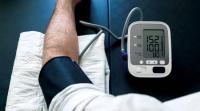
Does High Blood Pressure Cause Fluid Retention?
The relationship between high blood pressure and foot swelling is not direct in most cases. Nonetheless, chronic high blood pressure can affect key organs that regulate body fluids, primarily the heart and kidneys.
Compromised kidney function may decrease the body's ability to expel excess sodium and water, leading to fluid retention and swelling in feet and ankles. Long-term high pressure may also burden the heart, contributing to developing heart conditions that can cause edema.
Thus, swelling in individuals with high blood pressure does not necessarily mean that high pressure is the direct cause. Instead, it might link to other complications or the high blood pressure treatment itself.
Blood Pressure Medications That May Cause Swollen Feet
Pay attention to medications too, as some blood pressure medications, specifically calcium channel blockers like amlodipine, can cause swelling in the ankles and feet as a known side effect. This type of swelling is due to the medication's effect on small blood vessels and not necessarily due to general fluid retention or heart failure.
If foot swelling begins after starting a new medication or increasing its dosage, it's crucial to inform the doctor. Medications should not be stopped or their doses altered independently, as controlling blood pressure remains essential to reduce heart and kidney risks.
What Is Heart-Related Foot Swelling Like?
Heart failure-related foot swelling may appear as swelling around the ankles and feet, often bilaterally, and may worsen after prolonged standing or sitting. Swelling alone is insufficient to determine the cause, as many other conditions can also cause edema.
Doctors consider accompanying symptoms, medical history, and medications used. They may request heart, kidney, and liver examinations or other tests as necessary. Signs indicating a cardiac cause might include shortness of breath, unusual fatigue, difficulty breathing when lying down, or rapid weight gain from fluid retention.
Other Common Causes for Swollen Feet
Foot swelling isn't always linked to the heart or blood pressure, as it may occur due to a wide range of causes, some simple and temporary, others requiring medical evaluation.
Potential causes include:
- Prolonged standing or sitting.
- High salt intake.
- Venous insufficiency or varicose veins.
- Some medications.
- Kidney diseases.
- Liver diseases.
- Pregnancy.
- Hormonal disorders.
- Injury or infection in the limb.
- Deep vein thrombosis, especially when swelling is sudden in one leg with pain or redness.
Thus, the cause of swelling cannot be determined by its appearance alone, particularly if it's new, persistent, or worsening over time.

When Is Foot Swelling Serious?
Swelling requires urgent medical evaluation if accompanied by symptoms indicating a serious heart or vascular issue.
Shortness of Breath or Chest Pain
Swelling combined with severe shortness of breath, chest pain or pressure, or noticeable difficulty breathing when lying down requires urgent medical assessment.
Rapid Weight Gain
Rapid weight gain over a short period may indicate fluid retention, particularly in heart failure patients. Hence, doctors may ask heart patients to monitor their weight regularly.
Sudden Swelling in One Leg
Conversely, sudden swelling in one foot or leg with pain, redness, or elevated skin temperature should not be ignored as these symptoms might suggest deep vein thrombosis.
What Does a Doctor Do When Faced with Swollen Feet?
Diagnosis depends on the potential cause. Doctors usually start by asking about the swelling's duration, whether it affects one or both legs, if it worsens towards the end of the day, or if it's linked with starting a new medication.
They may measure blood pressure, examine the heart, lungs, and limbs, and request blood tests for kidney and liver functions, along with other tests based on symptoms and medical history.
If a heart problem is suspected, tests like an electrocardiogram or echocardiogram might be used, while angiography may be needed for certain sudden leg swelling cases.
How Can Swollen Feet Be Relieved?
Edema treatment depends on the underlying cause, so no one-size-fits-all home remedy exists. However, some simple measures may help in mild cases not linked to emergencies, such as elevating legs when sitting or lying down, avoiding staying in the same position for long, and moving around as health permits.
Reducing salt intake might be advised if recommended by a doctor, especially for those with fluid retention. If swelling is drug-related, doctors may adjust the treatment or change medication if needed.
Using diuretics independently due to foot swelling is discouraged as these medications can affect blood pressure, kidney function, and certain body salt levels.
In conclusion, if swelling is new, persistent, or worsening, it's better to seek its cause rather than assuming it is a natural result of high blood pressure. If accompanied by shortness of breath, chest pain, or sudden swelling in one leg with pain and redness, urgent medical evaluation is necessary.
See Also
10 Possible Reasons for Delayed Menstruation Without Pregnancy