


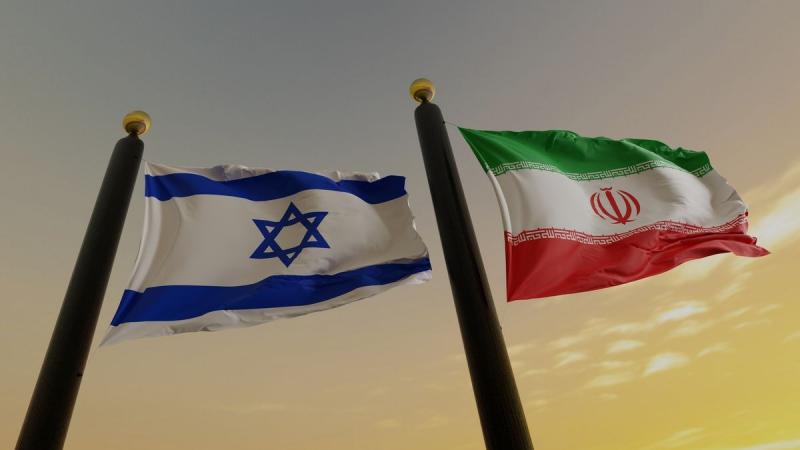
According to a report by the Hebrew newspaper Maariv, the new reality in the Strait of Hormuz may push Iran to seek new methods to pressure the United States. In this scenario, Hezbollah might once again become a primary tool for Iran.
The report quotes Eyal Ofer, an Israeli researcher and expert in the economy of Hamas and the Gaza Strip, who provides his analysis of the Iranian front following the recent U.S. sanctions and pressures on Tehran.
According to Ofer, the most significant change for Tehran lies in the maritime domain. He claims that Iran is currently facing difficulties in exporting goods and importing products through the Strait of Hormuz.
This situation is exacerbated by U.S. Central Command leader Admiral Brad Cooper's announcement to open the Strait of Hormuz to free navigation.
Eyal Ofer considers this a fundamental change in the equation. He says, "The hourglass has turned": if Iran previously used the threat to the Strait of Hormuz as a means of pressure, now time is against them, and the continued blockade may increase economic and strategic pressure on them.
According to Ofer, under pressure, Iran tends to deliberately escalate in various fields to relieve pressure on other parties in the region and then use the new situation as a bargaining chip in negotiations.
According to him, the goal is not necessarily to reach a quick agreement but to force Tehran into a prolonged and exhausting process during which it seeks to improve its negotiating position.
He adds, "The Iranian way of getting out of crises has always been and will be to create more escalation in the region." He sees that the leadership in Tehran understands that to come to the negotiating table from a better position, it must first escalate the level of pressure again.
Hezbollah at the Heart of the Scene
According to Ofer's analysis, the primary arena Iran may seek to achieve this is Lebanon.
He believes that Iran's stance on Hezbollah fundamentally differs from its stance on Hamas. While Hamas is considered a card that can be sacrificed, Hezbollah, from Tehran's point of view, is an integral part of Iran's power structure in the region, which it will work to maintain.
Ofer believes that the arrangements between Israel and Lebanon damage the proxy model that Iran has built over the years, which may prompt it to attempt to undermine this through Hezbollah's activity in southern Lebanon.
According to the scenario he presents, the aim is not necessarily large-scale rocket attacks on Israel's home front, but Hezbollah might try to hit Israeli army forces in areas where it can still operate, in a manner that invites an Israeli response.
Ofer sees such a move as possibly planned so that the Israeli response becomes the focus of international attention. According to him, if Hezbollah manages to harm Israeli soldiers and Israel responds forcefully, Tehran could attempt to frame the narrative as if Israel initiated the escalation.
From his perspective, this is a critical part of the scenario: creating a series of events where limited Hezbollah activity leads to an Israeli response, then using that to justify further escalation by Iran or its proxies.
Ofer also estimates that such attempts might be executed at sensitive times, including weekends or public holidays, in an attempt to maximize the impact of hitting Israeli military forces.
Source: Eram News