


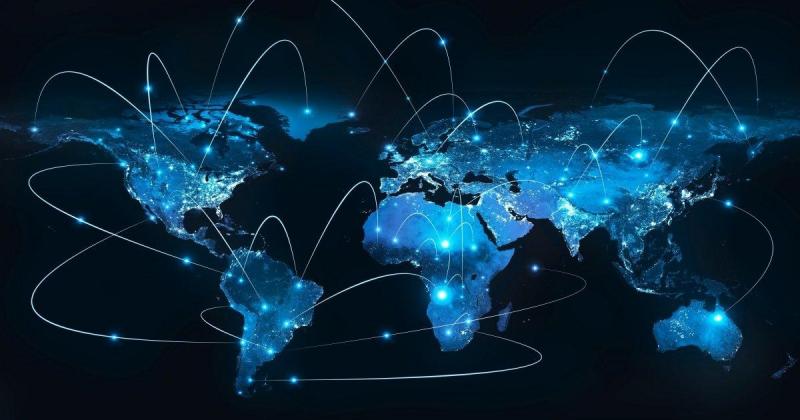
The Internet has become an integral part of daily life across the globe, relied upon by billions for communication, work, learning, shopping, entertainment, and accessing digital services. The proliferation of smartphones, telecommunication networks, and digital services has significantly increased the number of internet users, particularly in populous countries with vast digital markets.
When discussing countries with the highest internet usage, a distinction must be made between the number of internet users and the Internet penetration rate. A country might lead in numbers due to its large population, even if its internet penetration rate is lower than other nations. Based on user numbers, China, India, and the United States emerge as the largest internet markets globally, followed by countries with sizable populations and extensive digital use.
Which are the Top 10 Internet-Using Countries?

China leads the list of countries by number of internet users, followed by India and then the United States. The list also includes Indonesia, Brazil, Russia, Japan, Pakistan, Nigeria, and Bangladesh.
The exact figures vary depending on the source and the timing of data updates, so it is best to consider these numbers as approximate estimations.
1. China
China ranks first globally in the number of internet users, with over one billion users.
This enormous number is linked to the country's large population and the widespread use of smartphones, digital services, and e-commerce. China has become one of the world's biggest digital markets, with millions relying on the internet daily for shopping, e-payments, social networking, entertainment, work, and education. China boasts a massive domestic digital ecosystem with numerous platforms and applications widely used by its population.
2. India
India ranks second globally in terms of the number of internet users, with over 800 million users according to various estimates.
The widespread use of smartphones and the lowered cost of data services have boosted internet access in the country. India has also seen rapid growth in digital government services, e-commerce, digital payments, and online education. The number of internet users in India is expected to continue growing as digital services reach more areas and populations.
3. United States of America
The United States ranks third in terms of total internet users, with approximately 320 million users according to different estimates.
The U.S. is characterized by a high level of internet penetration and holds one of the largest digital economies in the world. The internet plays a pivotal role in Americans' daily lives, from e-commerce and banking services to remote work and social media platforms. The U.S. is also home to many of the world's largest tech companies and digital platforms.
4. Indonesia
Indonesia ranks fourth among the largest countries by the number of internet users, with roughly 200 million users.
The growth in internet use in Indonesia is tied to the widespread use of mobile phones and increased use of social and e-commerce platforms as well as digital services. Indonesia is one of the key digital markets in Southeast Asia, with the number of internet users rising as telecommunication infrastructure expands.
5. Brazil
Brazil ranks fifth, with about 185 million internet users according to circulated estimates.
As the largest internet market in Latin America by user numbers, Brazil sees widespread use of social media, e-commerce, and digital content platforms. The internet is increasingly integral to business activities and daily services in the country, reinforcing its position as one of the world's largest digital markets.
6. Russia
Russia ranks sixth in terms of internet users, with over 130 million users.
Russia enjoys a relatively high internet penetration rate compared to its population size. Citizens engage in a wide range of online activities, from communication and entertainment to government services and e-commerce. Russia's large digital market heavily relies on online services and platforms.
7. Japan
Japan is one of the world's largest countries by the number of internet users, with more than 110 million users.
Japan is characterized by a high level of digital infrastructure and a widespread internet and smartphone penetration. The Japanese use the internet for shopping, banking, work, entertainment, and communication. The country is an advanced market in technology and digital services.
8. Pakistan
Pakistan holds an advanced position among countries with the highest internet usage numbers, with over 100 million users according to various estimates.
The spread of smartphones and mobile communication networks helped expand the internet user base, especially among young people. The country has seen growth in e-commerce, online work, education, and digital services.
9. Nigeria
Nigeria is among Africa's largest internet markets, with roughly 100 million users.
This growth is linked to the country's large population and increasing mobile phone and internet service proliferation. Nigeria is experiencing an expansion in internet use for e-commerce, digital financial services, education, and socializing, making it a crucial digital market in Africa.
10. Bangladesh
Bangladesh completes the list of the top 10 countries by the number of internet users, with about 95 million users according to various estimates.
The proliferation of smartphones and expanding telecom networks have boosted user numbers in recent years. The internet has become increasingly present in commerce, education, work, government services, and social networking, reflecting the country's rapid digital transformation.
Why Do Populous Countries Top the List?
The population size is the main factor explaining why some countries top this list. Even if the internet penetration rate is lower in one country than a smaller country with nearly universal connection, the total number of users may be significantly higher.
For example, China and India have hundreds of millions more users than many other countries due to their massive populations. Therefore, ranking countries by the number of internet users does not necessarily indicate a higher internet usage rate as a percentage of the population.
The Difference Between Number of Internet Users and Internet Penetration Rate
There are two distinct indicators that should not be confused.
Number of Internet Users measures the total number of people using the internet within a country.
Meanwhile, the Internet Penetration Rate measures the proportion of internet users relative to the total population.
A small country with an advanced digital infrastructure might rank very high in terms of internet penetration but may not appear among the largest countries by the total number of users due to its small population.
What Drives Global Internet Usage Growth?
Various factors have contributed to the heightened number of internet users, including:
- The proliferation of smartphones.
- Reduced internet and data service costs in many markets.
- Expansion of fourth and fifth-generation networks.
- Growth in e-commerce.
- Spread of banking services and e-payment solutions.
- Remote education and work.
- The proliferation of social media platforms.
- Expansion of digital government services.
- Increased digital content production.
These combined factors are bringing more people into the digital economy.
The Economic Importance of Major Internet Markets
The large number of internet users is not just a statistical figure but reflects the size of the digital market and opportunities for businesses and digital platforms.
Countries with hundreds of millions of users provide a vast base for e-commerce, digital advertising, streaming services, applications, gaming, and digital financial services.
That is why China, India, the United States, and other large countries attract significant interest from global technology firms and investors.
Are China and India the Most Internet-Connected?
Not necessarily. The ranking of China and India in terms of number of users is largely due to their massive populations.
When measuring the percentage of the population using the internet, smaller, technologically advanced countries might lead.
Thus, it's critical to specify the criteria used when stating that a country is "most internet-connected."
The Future of Global Internet Usage
The number of internet users worldwide is expected to continue rising as communication networks expand, digital infrastructures improve, and internet services reach new areas.
Smartphones play a crucial role in connecting people who were previously unable to access traditional computers.
The spread of artificial intelligence, cloud computing, and digital services is also expected to increase reliance on the internet in work, education, services, and entertainment.
ConclusionThe list of the top 10 internet-using countries worldwide indicates that the largest digital markets are clearly linked to population size, economic scale, and the proliferation of smartphones and digital services. China leads the list, followed by India and the United States, then Indonesia, Brazil, Russia, Japan, Pakistan, Nigeria, and Bangladesh.
As digital transformation continues, it's likely that internet user numbers will grow in many of these countries in the coming years, making digital services, e-commerce, and artificial intelligence increasingly present in daily life and the global economy.
See Also