


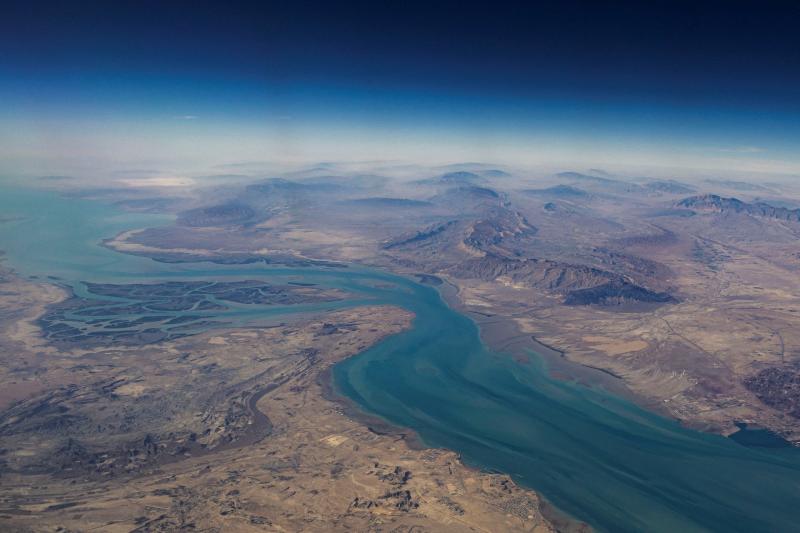
According to the U.S. newspaper 'New York Post', Oman has declined an Iranian proposal to collaborate in collecting fees from ships passing through the Strait of Hormuz. The report suggests that this decision was made to avoid confrontation with the administration of former U.S. President Donald Trump.
The newspaper quoted a senior regional official stating that Oman quietly dismissed the Iranian request concerning transit fees, amid rising tensions over control of the strategic waterway’s navigation.
The official noted that Oman rejected the idea of imposing even voluntary fees for security and environmental protection services, contrary to what Iran's Revolutionary Guard announced last week.
Additionally, according to the same source, Muscat also turned down a proposal to collect voluntary contributions to cover safety and environmental protection in the strait.
'New York Post' reported that, according to a U.S. official, the details of a proposed revenue-sharing agreement were incomplete even from the Iranian side, suggesting that the Revolutionary Guard announced the plan prematurely.
U.S. Threats
The newspaper tied Muscat's stance to previous threats made by Trump regarding potential strikes on Oman if it participated in actually imposing fees on shipping through the strait.
It quoted Trump on August 17 saying, "If Oman gets in the way, we'll bomb them hard."
The report notes that the naval blockade re-imposed by Trump's administration on Iran complicates any fee collection arrangements from ships without U.S. approval.
Oman Between Washington and Tehran
Oman maintains close ties with the United States while playing its traditional role as a mediator between Washington and Tehran in several regional crises.
Muscat has attempted to prevent the current war by hosting nuclear talks between the U.S. and Iran and previously facilitated discussions related to Yemen’s Houthi crisis.
Oman mediated a ceasefire in May 2025 between the U.S. and the Houthis.
According to 'New York Post', Iran sought Oman's approval, which lies on the southern side of the Strait of Hormuz, for a post-war framework allowing Iran a larger role in managing the crucial maritime corridor for oil and gas trade.