


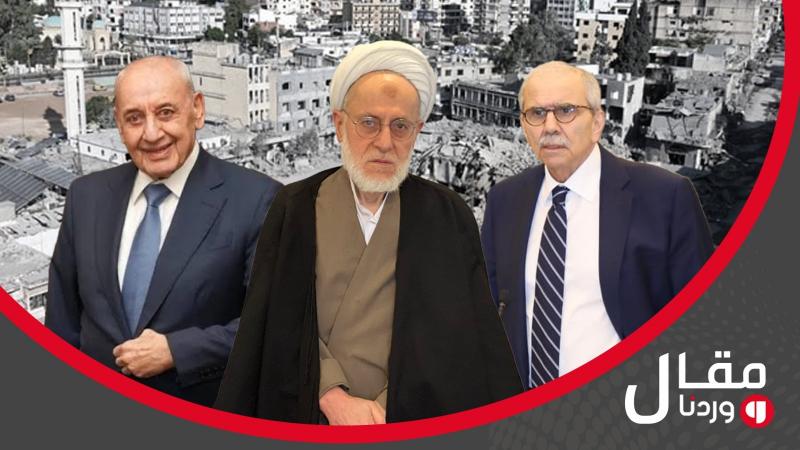
Exclusive sources have revealed details of a crucial meeting between Speaker of the Parliament Nabih Berri and Prime Minister Nawaf Salam, resulting in a decisive move to deploy Lebanese army units in Nabatieh city and the Iqlim al-Tuffah region. This significant military and political step is taking place amidst the region's heightened tensions.
Comprehensive Support and Local Appeals
According to the sources, this decision was a response to persistent appeals from Nabatieh's community leaders and citizens, led by the city's Imam, Sheikh Abdul Hussein Sadek. Sheikh Sadek played a key role by providing "religious cover" for this initiative, while Speaker Nabih Berri ensured the necessary "political cover" for the military's mission, securing consensus for its implementation.
Preempting Justifications
This field plan aims to shield Nabatieh and the Iqlim al-Tuffah villages from any potential wide-scale Israeli assault similar to previous incidents in the Ali Taher hills. The Lebanese army's direct presence seeks to:
- Restore and boost confidence between the southern residents and official state institutions.
- Establish a state of stability offering citizens a sense of safety and official support.
Delicate Balances and Military Reservations
"Warda's" sources confirmed that the decision for deployment was made despite reservations from the military wing of "Hezbollah." This step is seen as a "serious attempt" to deter Hezbollah from undertaking any military actions from these regions that could lead to escalation and broader conflicts.
This move holds exceptional importance given the demographic size, as Nabatieh and the Iqlim al-Tuffah host tens of thousands of resident families and a significant portion of displaced persons who have been forced to leave their villages and towns along the "yellow line."