


Hair requires a balanced diet to maintain its natural growth ability. A well-balanced diet can significantly contribute to the health of your scalp and hair strength. Hair follicles are among the most actively growing tissues in the body, necessitating continuous intake of protein, vitamins, minerals, and other nutrients.
No single food can universally stop hair loss or increase thickness for everyone due to diverse causes like genetics, hormones, dietary deficiencies, or health issues. However, obtaining essential nutrients from a varied diet can support hair growth and strength.
Top 10 Foods for Hair Growth
1. Eggs: Protein and Biotin for Healthy Hair
Eggs lead this list thanks to their rich protein content and various essential nutrients. Hair primarily consists of keratin, a protein that requires sufficient dietary protein for production.
Eggs also supply biotin (Vitamin B7), zinc, selenium, and some B vitamins. Biotin deficiencies can coincide with hair loss, but consuming biotin supplements without a proven deficiency doesn't necessarily thicken hair.
2. Spinach and Leafy Greens
Spinach is packed with essentials like iron, Vitamin A, Vitamin C, and folic acid. Iron plays a key role in oxygen transportation through blood, crucial for tissue growth. Iron deficiency can lead to hair loss, especially when aligned with anemia.
Vitamin A helps maintain skin health, including the scalp, while Vitamin C aids in absorbing plant-based iron sources.
3. Fatty Fish
Including salmon, sardines, and mackerel, fatty fish are rich in protein, omega-3 fatty acids, and several vitamins and minerals. They provide Vitamin D, selenium, and B vitamins, components of a balanced diet supporting overall and hair health. Fatty fish are an excellent protein source vital for maintaining hair structure and growth.
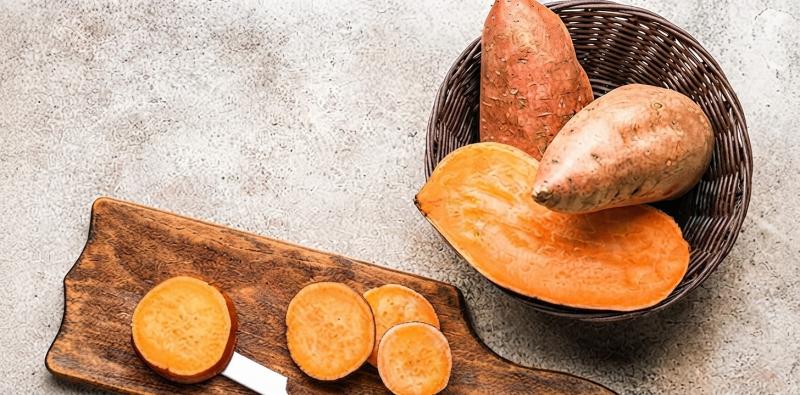
4. Sweet Potatoes
Sweet potatoes offer beta carotene, converted to Vitamin A as needed. Vitamin A is crucial for skin health, supporting natural oil or sebum production that moisturizes the scalp and hair. Adequate Vitamin A is essential as overdose, especially from supplements, might cause hair loss. Dietary sources are usually safer.
5. Nuts
Nuts like almonds and walnuts provide a mix of protein, healthy fats, zinc, Vitamin E, and some B vitamins. Vitamin E acts as an antioxidant, and zinc is involved in growth and repair processes essential for tissues, including hair.
Nuts offer unsaturated fats and nutrients, but should be consumed in moderation due to high calorie content.
6. Avocados
Containing monounsaturated fats and Vitamin E, avocados are rich in nutrients. Healthy fats provide energy and essential elements in a balanced diet, while Vitamin E acts as an antioxidant. Avocados can be incorporated into various meals like salads or sandwiches for nutrient-dense alternatives with eggs and greens.
7. Seeds
Chia, flax, and sunflower seeds enrich diets easily with zinc, selenium, Vitamin E, and healthy fats. Flax and chia seeds supply plant-based omega-3 known as alpha-linolenic acid. Adding seeds to yogurt, oatmeal, or salads can enhance dietary variety.
8. Bell Peppers
Bell peppers, particularly red and yellow, are rich in Vitamin C, crucial for collagen production in many tissues. Vitamin C acts as an antioxidant, aiding iron absorption from plant sources. It complements iron-rich meals like spinach and legumes for better nutrient absorption.
9. Oysters
Oysters are one of the richest zinc sources, essential for bodily growth and tissue repair. Zinc deficiencies might cause hair loss, but excessive consumption won't accelerate growth. Getting adequate nutrition is key, as too much zinc can cause health issues and affect other mineral absorption.
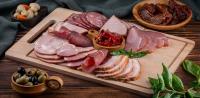
10. Red Meat and Poultry
Red meat and poultry are excellent high-quality protein sources essential for keratin production and maintaining hair structure. Red meat contains heme iron, more absorbable than non-heme plant-based iron.
Iron is particularly critical when hair loss is related to iron deficiency or anemia. Medical supervision is recommended for severe deficiencies instead of relying solely on dietary solutions.
Key Vitamins and Minerals for Hair Growth
Hair growth relies on a balanced nutrient intake, including:
Protein: Necessary for keratin production, a major hair component.
Iron: Facilitates oxygen transportation throughout the body. Deficiency can result in hair loss.
Zinc: Essential for tissue growth and repair, with deficiency affecting hair and skin.
Vitamin C: Aids iron absorption and collagen production.
Vitamin A: Maintains skin and scalp health.
Vitamin E: Acts as an antioxidant, protecting cells from oxidative stress.
Omega-3 fatty acids: Present in fatty fish and some plants, crucial in a balanced diet.
Can Food Alone Prevent Hair Loss?
Despite the importance of nutrition, food alone cannot treat all hair loss types, which may stem from genetics, hormonal changes, thyroid issues, certain diseases, stress, or life changes like postpartum periods. Nutrient deficiencies might contribute to hair loss, remedied by addressing the deficiency rather than random supplement intake.
If hair loss is severe, abrupt, or persistent, consulting a dermatologist for appropriate analysis and testing is advisable, possibly including iron or vitamin levels and thyroid function based on symptoms and medical history.
Dietary Tips for Hair Health
Hair health doesn't necessitate complex diets; focus on a diverse diet with ample protein, vegetables, fruits, whole grains, and healthy fats. Avoid prolonged extreme diets or low-calorie plans, as energy, protein, and nutrient deficiencies may increase hair loss.
Maintaining good hydration, quality sleep, and a balanced diet supports overall health, though medical diagnosis remains essential if hair loss is abnormal.
In conclusion, the best 10 foods for hair growth include eggs, spinach, fatty fish, sweet potatoes, nuts, avocados, seeds, bell peppers, oysters, red meat, and poultry. These provide protein, iron, zinc, Vitamin C, Vitamin E, and omega-3s, vital for hair health.
However, relying on one food as a magical cure for hair loss isn't advisable, as causes may vary. A balanced diet aids hair growth, but medical consultation is crucial for unexpected or severe hair loss.