


The quality of your diet is reflected in the health and appearance of your skin. Skin cells require vitamins, minerals, fatty acids, and antioxidants to function and regenerate naturally. Thus, following a balanced diet can help maintain skin elasticity, reduce dryness, and support the skin's protective barrier.
Additionally, certain foods provide plant compounds and antioxidants that help the body combat oxidative stress caused by environmental factors like sun exposure and pollution. This highlights the importance of dietary variety alongside sunscreen use and appropriate skincare routines.
Top 10 Foods for Healthy Skin
1. Fatty Fish
Salmon, mackerel, and sardines are among the top foods beneficial for the skin due to their omega-3 fatty acid content. These healthy fats contribute to maintaining the skin's barrier and elasticity and help reduce inflammation that can affect skin appearance.
Incorporating fatty fish into a regular diet can provide proteins and nutrients essential for cell health. It can be included as part of a balanced diet.

2. Avocado
Avocado is rich in unsaturated fats and a range of essential nutrients for the skin, including vitamins E and C.
Vitamin E acts as an antioxidant, while vitamin C is essential for collagen production, a protein crucial for skin strength and elasticity. Hence, avocados can be a valuable addition to the diet, whether in salads, meals, or snacks.
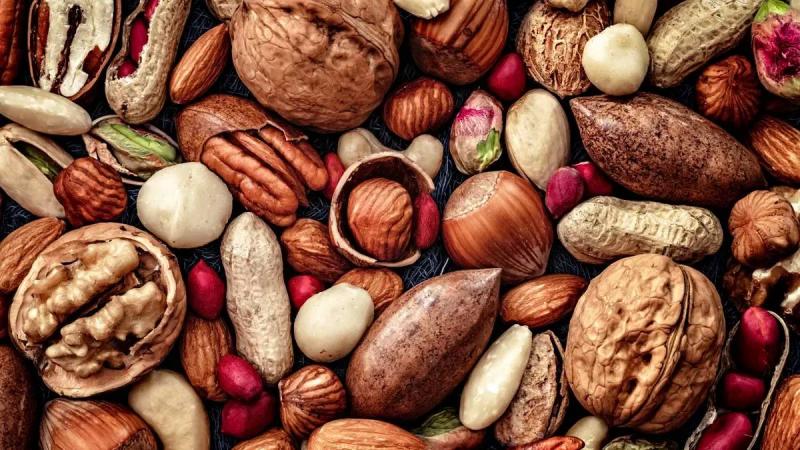
3. Walnuts and Nuts
Walnuts are a great choice for promoting skin health. They provide essential fatty acids and important minerals like zinc, which play a key role in skin health and tissue repair processes.
Nuts in general offer healthy fats and antioxidants, but should be consumed in moderation due to their high calorie content.
4. Sunflower Seeds
Sunflower seeds contain vitamin E, selenium, and zinc, which support various body functions and skin health.
They can be eaten as snacks or added to salads and oatmeal. Opt for unsalted or low-salt types whenever possible, as seeds offer a mix of healthy fats, protein, and minerals, making them a good addition to a balanced diet.
5. Sweet Potatoes
Sweet potatoes are rich in beta-carotene, a plant pigment that the body converts into vitamin A. Carotenoids act as antioxidants, while vitamin A is vital for skin health and cell renewal. Hence, sweet potatoes are a suitable dietary option for obtaining these nutrients.
It is crucial to note that while beta-carotene-rich foods are beneficial, they do not replace the need for sunscreen, as diet alone does not offer sufficient UV protection.
6. Red and Yellow Bell Peppers
Bell peppers, especially red and yellow ones, are high in vitamin C and beneficial plant compounds. Vitamin C is necessary for collagen production, supporting the skin's natural structure. Peppers can be consumed raw or cooked and added to salads and sandwiches.
7. Tomatoes
Tomatoes offer vitamin C and carotenoids, notably lycopene, which is an antioxidant found in many red fruits and vegetables. Research suggests that a carotenoid-rich diet may support skin defenses against UV-induced damage.
Heating tomatoes with a healthy fat source, such as olive oil, may enhance lycopene absorption. Still, these benefits complement basic skincare and are no substitute for sunscreen.
8. Broccoli
Rich in vitamins C and A, along with minerals and plant compounds, broccoli is beneficial in a balanced diet.
It contains sulforaphane, a plant compound noted for its antioxidant properties and role in supporting cellular defenses. Broccoli can be steamed or added to salads and main dishes.
9. Dark Chocolate
Dark chocolate can be an excellent choice when consumed in moderation, especially varieties with high cocoa content and low sugar. Cocoa contains flavanols, plant antioxidants studied for their potential effects on blood flow and various skin health indicators.
However, large quantities of chocolate don't necessarily enhance skin health, as sugar and calorie content must be considered.
10. Green Tea
Green tea contains catechins, plant compounds known for their antioxidant properties, which have garnered significant attention in studies on body and skin health.
Incorporating green tea into a balanced diet can boost antioxidant intake. It is best consumed without excess sugar and shouldn't replace water or basic skincare practices.

Key Vitamins and Minerals for Skin Health
Skin health relies on a range of nutrients, including:
Vitamin C: Essential for collagen production, supporting the body's antioxidant defenses.
Vitamin E: An antioxidant that helps protect cells from oxidative stress.
Vitamin A: Crucial for skin health and cell renewal.
Zinc: Involved in various skin-related functions, including wound healing.
Omega-3: Supports the skin barrier and provides essential fats.
Selenium: Contributes to antioxidant systems in the body.
Focusing on a varied diet is more beneficial than relying on a single food or supplement without a clear medical need.
Does Drinking Water Improve Skin Health?
Adequate fluid intake is necessary for maintaining normal bodily functions. Dehydration can generally affect skin condition, but there is no one-size-fits-all water requirement. Needs vary by age, physical activity, temperature, health conditions, and diet.
Rather than adhering to a fixed amount for everyone, it’s better to drink water regularly and pay attention to thirst cues, increasing fluid intake as needed.
Is Diet Alone Enough for Glowing Skin?
While good nutrition plays a crucial role in supporting skin health, skincare isn't solely dependent on diet. Adequate sleep, sun protection, not smoking, physical activity, and suitable skincare all influence skin appearance.
No magic foods prevent wrinkles or reverse aging entirely. The best results usually stem from combining a balanced diet with healthy habits and proper daily skincare.
Additional Dietary Tips for Skin Health
Support your diet with simple habits, including consuming a variety of fruits and vegetables daily, focusing on good protein sources, adding healthy fats to meals, and reducing overly processed foods and added sugars.
Moreover, be cautious with dietary supplements, as excessive doses of some vitamins and minerals may harm rather than improve skin health.
In conclusion, healthy skin doesn't require expensive foods but a varied and balanced diet rich in protein, healthy fats, vitamins, minerals, and antioxidants.
Nutrition is just one part of the equation; sun protection, quality sleep, proper hydration, and appropriate skincare are equally crucial in maintaining a healthy and vibrant appearance over time.