



Dehydration symptoms are vital health indicators that should not be ignored, especially during summer or if suffering from illnesses causing fluid loss, such as diarrhea, vomiting, and fever. Dehydration occurs when the body loses more water and fluids than it replenishes, impacting various organ functions.
Moreover, dehydration affects not only one's thirst but can also impact the brain, heart, muscles, and kidneys. Recognizing early symptoms can help prevent complications and maintain overall health.
What is Dehydration?
Dehydration is a condition resulting from a lack of essential bodily fluids, including water, salts, and crucial minerals like sodium and potassium.
The body requires a precise balance between lost and gained fluids to maintain normal vital functions. When this balance is disrupted, symptoms begin to appear gradually.
Mild to Moderate Dehydration Symptoms
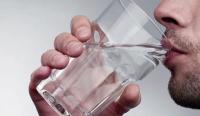
Increased Thirst
Thirst is one of the first signals from the body indicating the need for water. However, this feeling may not be pronounced in some elderly individuals, increasing the risk of unnoticeable dehydration.
Change in Urine Color
Urine color is an excellent indicator of the body's hydration status. Dark yellow urine or significantly reduced amount may point to a fluid deficit.
Dry Mouth and Lips
Reduced fluid levels result in a sticky mouth, a dry tongue, and cracked lips. Often, this symptom is an early and clear sign of dehydration.
Headaches and Dizziness
Decreased fluid levels affect blood and oxygen flow to the brain, causing headaches, dizziness, or balance issues.
Tiredness and Fatigue
Dehydration reduces circulation efficiency and nutrient delivery to tissues, resulting in general fatigue and weakened daily activity performance.
Dry Skin
Skin loses some of its natural elasticity when fluid levels drop, appearing drier and coarser than normal.
Muscle Cramps
Muscles require a balanced amount of fluids and salts to function efficiently, and dehydration may cause painful muscle spasms, especially during physical activity or in hot conditions.
Severe Dehydration Symptoms in Adults
If fluid loss continues without proper replacement, severe dehydration may develop, requiring urgent medical intervention.
Mental Confusion
Confusion and difficulty concentrating are severe signs indicating brain function impairment due to fluid deficiency, often accompanied by intense dizziness or an inability to think clearly.
Very Little or No Urination
The body attempts to conserve remaining fluids by significantly reducing urine output, and extreme cases may nearly stop urination, warranting rapid medical evaluation.
Rapid Heartbeat
The heart compensates for decreased blood volume from dehydration by increasing its rate, often accompanied by rapid breathing and a general sense of weakness.
Low Blood Pressure
Fluid deficiency decreases blood volume within blood vessels, potentially causing a significant drop in blood pressure, severe dizziness, or fainting.
Sunken Eyes
Severe dehydration is marked by noticeably sunken or hollow eyes, especially in advanced cases.
Causes of Dehydration in Adults

Main Causes
-Not drinking enough fluids.
-Prolonged exposure to high temperatures.
-Excessive sweating during exercise.
-Diarrhea and vomiting.
-Fever and elevated body temperature.
-Some medications, like diuretics.
-Chronic conditions affecting fluid balance.
When to See a Doctor?
Minor dehydration can often be treated with water and suitable fluids. However, seek immediate medical care if severe dehydration symptoms appear or if symptoms persist despite increased fluid intake.
Signs Warranting Urgent Medical Attention
-Fainting or loss of consciousness.
-Severe mental confusion.
-No urination for extended periods.
-Significant rapid heart rate.
-Notable drop in blood pressure.
-Severe dizziness upon standing.
-Breathing difficulties.
How to Prevent Dehydration?
Prevention is the best way to maintain fluid balance and avoid complications.
Important Hydration Tips
-Drink water regularly throughout the day.
-Increase fluid intake in hot weather.
-Replenish fluids after exercise.
-Consume fruits and vegetables rich in water.
-Monitor urine color periodically.
-Avoid excessive diuretic beverages.
In conclusion, dehydration symptoms in adults range from mild signs like thirst and dry mouth to fatigue. If severe dehydration symptoms emerge, do not delay seeking medical care to ensure timely and appropriate treatment.
Also, watch