


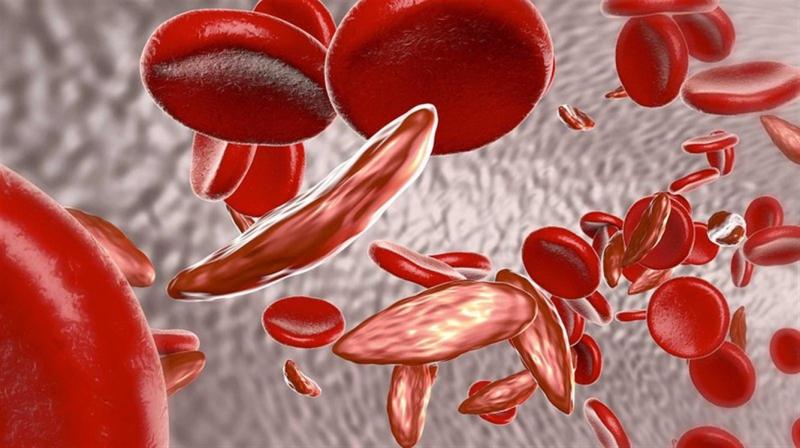
Thalassemia is a hereditary disorder affecting hemoglobin production, essential for transporting oxygen in red blood cells. This genetic condition, passed from parents to offspring, leads to abnormal hemoglobin production, varying in severity among individuals.
Prevalent in the Middle East and Mediterranean regions, understanding thalassemia and appropriate nutrition is crucial for those affected. A common query among patients and their families concerns whether consuming iron-rich foods poses health risks, particularly since anemia is often linked to iron deficiency.
What is Thalassemia?
Thalassemia encompasses genetic blood disorders impacting hemoglobin production, causing rapid breakdown of red blood cells and varying degrees of anemia.
Main Types of Thalassemia
Minor Thalassemia
Individuals carry the gene but exhibit no symptoms or very mild ones, often leading normal lives without special treatments.
Major Thalassemia
This severe form entails chronic anemia, necessitating regular blood transfusions to maintain hemoglobin levels.
Symptoms of Thalassemia
Symptoms vary by type and severity but commonly include:
Constant Fatigue
Results from reduced oxygen transport capacity in the blood.
Pale Skin
A typical sign of thalassemia-associated anemia.
Shortness of Breath
Daily activities may become challenging due to insufficient oxygen.
Growth Delays in Children
Severe cases may impact normal growth.
Enlarged Spleen or Liver
Some patients experience these due to increased red blood cell breakdown.
Should Thalassemia Patients Avoid Iron?
Unlike some anemias caused by iron deficiency, thalassemia often results in iron overload. This occurs due to increased iron absorption from food and frequent transfusions in major thalassemia, potentially leading to severe complications if untreated.
Do Minor Thalassemia Carriers Need to Avoid Iron?
Typically, minor carriers don't require dietary iron restrictions. However, iron supplements should only follow tests confirming a deficiency, as misdiagnosis with iron deficiency can occur due to similar test results.
Iron-Rich Foods to Monitor
Patients with high iron levels should watch their intake of:
Liver
An iron-rich natural source.
Red Meat
Contains easily absorbable heme iron.
Shellfish and Seafood
Noted for their high iron content.
Iron-Fortified Cereals
Can have significant added iron.
Iron Supplements
Should only be used under medical supervision.
Beneficial Foods for Thalassemia Patients
Thalassemia patients may benefit from foods like:
Leafy Vegetables
Provide essential vitamins and minerals.
Fresh Fruits
Especially those rich in antioxidants.
Dairy Products
Supply necessary calcium for bone health.
Whole Grains
Offer energy and dietary fiber.
Nuts and Legumes
Good protein and nutrient sources.
Is Vitamin C Safe with Thalassemia?
For those with iron overload, vitamin C needs cautious use due to its potential to enhance iron absorption from the intestines. However, it should still be consumed per medical advice, based on individual conditions and test results.
Summary
Thalassemia, a genetic disorder affecting hemoglobin production, varies in severity. Contrary to some beliefs, many thalassemia patients do not have iron deficiency but face the risk of iron accumulation. Therefore, iron supplements and diets rich in iron should only be pursued with medical consultation and accurate testing. Minor carriers typically don't need to totally avoid iron but should verify any deficiency before using supplements.
Also see: