


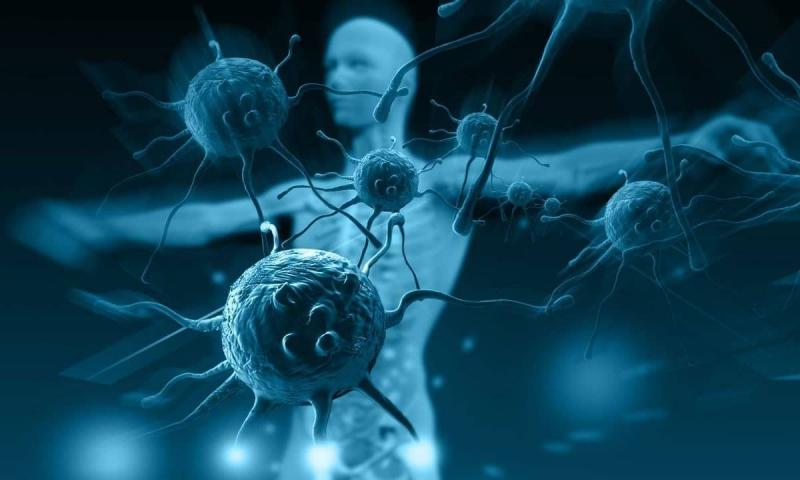
The immune system, acting as the body's first line of defense, is responsible for detecting and attacking germs, viruses, and parasites to protect humans from various diseases. However, in some unfortunate instances, this system malfunctions.
When such a malfunction occurs, the immune system starts attacking the body's own tissues and organs, mistaking them for foreign invaders. This condition is known as autoimmune diseases, which encompass a wide array of disorders that may affect one or multiple organs simultaneously.
What are Autoimmune Diseases?
Autoimmune diseases are conditions where the immune system mistakenly targets and damages healthy body cells and tissues, leading to chronic inflammation and gradual tissue damage. There are numerous known autoimmune diseases, each varying according to the organ or system under immune attack.
Causes of Autoimmune Diseases
To date, scientists have not pinpointed the exact cause of autoimmune diseases. However, research suggests several contributing factors.
Genetic Factors
Genetic predisposition plays a significant role in increasing the likelihood of developing certain autoimmune diseases, especially with a familial history of the disease.
Environmental Factors
Environmental triggers, like certain infections or exposure to specific substances, may prompt the onset of autoimmune diseases in genetically predisposed individuals.
Hormonal Changes
Many autoimmune diseases are more prevalent in women than men, suggesting hormones may play a role in disease progression.
Immune System Imbalances
Disruptions in immune regulation can lead to an inability to distinguish between healthy and foreign cells, contributing to autoimmune responses.
Common Autoimmune Diseases
There are numerous types of autoimmune diseases, each varying in prevalence.
Lupus (Systemic Lupus Erythematosus)
Lupus is a well-known autoimmune disease affecting the skin, joints, kidneys, heart, and other organs.
Rheumatoid Arthritis
This occurs when the immune system targets the joints, causing pain, swelling, and reduced mobility over time.
Type 1 Diabetes
The immune system attacks insulin-producing cells in the pancreas, necessitating lifelong insulin therapy.
Multiple Sclerosis
Multiple sclerosis affects the central nervous system, where the immune system attacks the protective covering of nerves, resulting in various neurological symptoms.
Hashimoto's Disease
This thyroid disorder occurs due to immune destruction of thyroid cells, leading to reduced thyroid function.
Psoriasis
Affecting the skin, psoriasis leads to thick, scaly patches due to immune-related inflammation.
Celiac Disease
Impacting the digestive system, celiac disease results from an abnormal immune response to gluten found in certain grains.
Symptoms of Autoimmune Diseases
Symptoms vary by disease but often share common markers.
Chronic Fatigue and Exhaustion
Among the most prevalent symptoms across autoimmune diseases.
Joint and Muscle Pain
Arising from persistent inflammation caused by immune activity.
Recurrent Fever
Many patients experience frequent, unexplained fevers.
Skin Issues
Includes rashes, redness, dryness, and scaling.
Digestive Disorders
May include abdominal pain, diarrhea, or bloating, depending on the specific disease.
How Are Autoimmune Diseases Diagnosed?
Diagnosis involves a combination of medical history, clinical examination, and lab test results. Physicians may conduct specialized tests to detect antibodies related to certain autoimmune diseases, in addition to imaging and other assessments as needed.
Can Autoimmune Diseases Be Treated?
Currently, there is no definitive cure for most autoimmune diseases, but there are several treatments available that help manage symptoms and reduce immune system activity. These treatments aim to minimize inflammation, prevent organ damage, and improve patient quality of life.
Advice for Living with Autoimmune Diseases
Certain healthy habits can aid patients in better managing their condition.
Adherence to Treatment
Following the treatment plan reduces complications and improves disease control.
Balanced Diet
A healthy diet supports overall health and may reduce some inflammatory factors.
Physical Activity
Regular exercise enhances fitness and mental health.
Adequate Sleep
Good sleep is vital for supporting immune function and overall health.
Conclusion
Autoimmune diseases occur when the immune system attacks healthy body tissues instead of protecting them, inclusive of conditions like lupus, rheumatoid arthritis, multiple sclerosis, and Hashimoto's. Although no cure exists for most cases, early diagnosis and appropriate treatment can significantly help control symptoms and improve the quality of life.
Also Watch: