


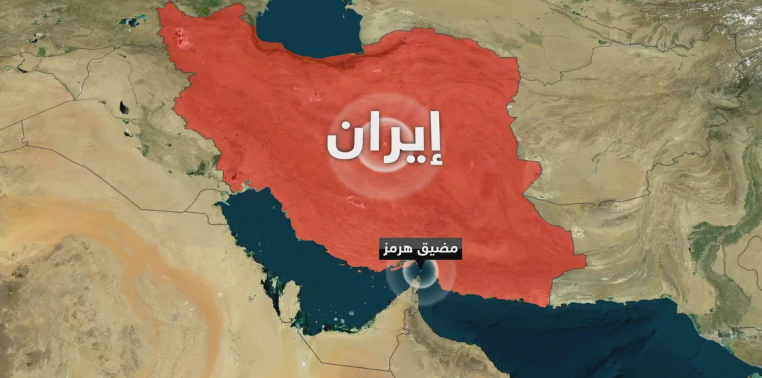
The central shipping lane in the Strait of Hormuz has been closed due to the presence of approximately 80 naval mines, compelling commercial vessels and oil tankers to use alternative routes through Iranian and Omani territorial waters.
According to CBS News, citing a maritime official and data from the International Association of Independent Tanker Owners (INTERTANKO), the main route in the strait remains closed until mine clearance operations are completed.
Philip Belcher, the maritime director at the organization, stated that navigation is currently ongoing through two alternative channels: a northern one through Iranian waters and a southern one through Omani waters. He confirmed that both routes are fully open to ships.
The Strait of Hormuz is one of the most critical maritime passages globally, with a significant portion of the world’s oil and gas exports passing through it. Any disruption in navigation has widespread international scrutiny due to the direct impact on energy markets and global supply chains.
The continued closure of the main central route in the Strait of Hormuz persists despite the resumption of navigation via alternative paths. This follows months of military tensions in the region since the outbreak of conflict between the United States and Iran in February 2026, causing unprecedented disturbances in one of the world’s key channels for oil and gas transportation.
Throughout the crisis, shipping activities have experienced a severe decline due to security concerns and the planting of naval mines in the strait, prompting global shipping companies to suspend or reduce their passages through it amid increased maritime insurance costs and heightened risks to commercial vessels.