


An urgent session has been added to the U.S.-Iran negotiations in Switzerland to address the ongoing escalation between Israel and Hezbollah in Lebanon, reflecting how on-ground developments are influencing the negotiation path between Washington and Tehran.
CBS quoted a diplomat involved in the talks stating that the session dedicated to the Israel-Hezbollah conflict will be the first item on the agenda for the opening day of negotiations, prior to delving into issues tied to Iran's nuclear program and other technical matters.
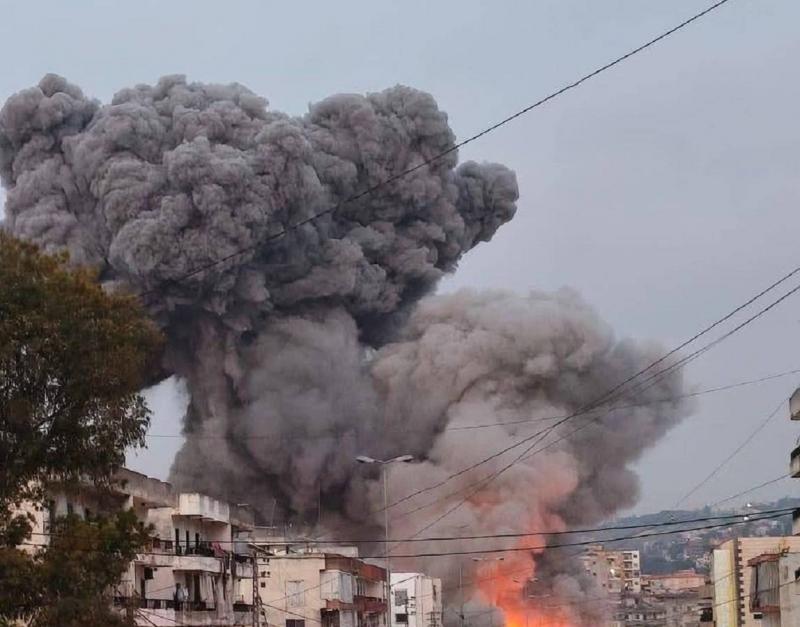
This development follows days of escalating tensions in southern Lebanon despite recent ceasefire understandings. The region has witnessed Israeli airstrikes causing casualties, with both sides trading blame for breaking the truce.
Shift in Negotiation Priorities
Incorporating the Lebanese issue into the talks is considered a notable development, particularly since Israel, Hezbollah, and the Lebanese government are not direct parties to the Swiss negotiations.
According to CBS, allowing Iran to bring the Israel-Hezbollah conflict into the talks marks a shift in the American approach, as Washington had previously insisted on separating regional issues from the Iranian nuclear program.
Tehran has emphasized in recent days that the continuation of Israeli attacks on Lebanon threatens existing understandings, while asserting that solidifying the ceasefire is crucial for the diplomatic process's success.
High-Level U.S. and Iranian Presence
The negotiations are being held at the Bürgenstock resort in Switzerland, with participation from U.S. Vice President J.D. Vance, who arrived in Switzerland on Saturday, alongside U.S. envoy Steve Witkoff and Jared Kushner.
The Iranian delegation, led by Mohammad Baqer Qalibaf, includes Foreign Minister Abbas Araghchi and various senior political, economic, and security officials.
Mediators from Qatar and Pakistan, who have played a pivotal role in bridging the gap between the sides over the past months, are also involved in the talks. The urgent session commands special attention, as the negotiations' success may hinge on the parties' ability to contain the tension in Lebanon and prevent it from becoming an obstacle to broader agreements between Washington and Tehran in the future.