


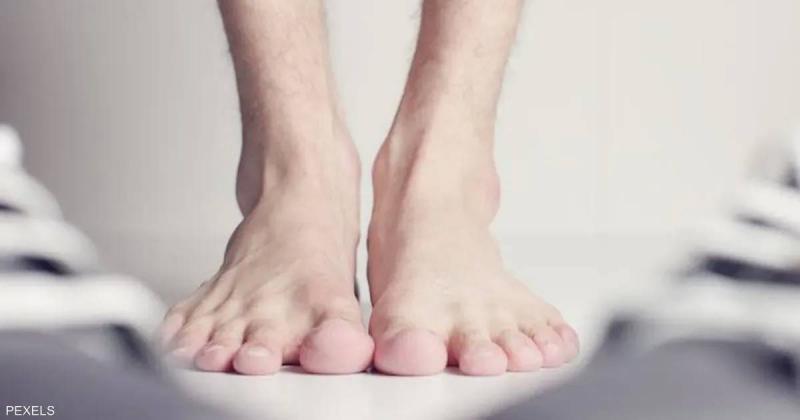
The link between iron deficiency and cold extremities is a common health problem noticed by many. Some individuals suffer from persistently cold hands and feet, even in moderate temperatures.
Often, the cause is tied to low iron stores or iron deficiency anemia, a condition that affects the body's ability to deliver oxygen to various tissues.
What is the Relationship Between Iron Deficiency and Cold Extremities?
The body needs iron to produce hemoglobin, the protein in red blood cells responsible for transporting oxygen from the lungs to all body organs. When iron levels drop, hemoglobin production decreases, impairing the blood's ability to carry oxygen efficiently.
Additionally, the body compensates by directing oxygen-rich blood to vital organs like the heart, brain, and lungs, considered crucial for sustaining essential bodily functions. Consequently, blood flow to the extremities, especially hands and feet, diminishes, leading to a constant sensation of coldness.
How Does Iron Deficiency Cause Cold Hands and Feet?
Reduced Hemoglobin Production
Iron deficiency results in lower hemoglobin production, reducing the amount of oxygen reaching different tissues.
Prioritizing Vital Organs
Conversely, the body automatically directs circulation towards the heart, brain, and essential organs to ensure their vital functions continue.
Weakened Peripheral Circulation
As a result, blood flow to the hands and feet decreases, causing the extremities to lose some of their natural warmth, particularly in winter or when exposed to cold air.
Symptoms of Iron Deficiency Accompanying Cold Extremities
If cold hands and feet are due to iron deficiency or anemia, they often accompany other symptoms, including:
Persistent Fatigue and Exhaustion
The affected individual feels tired even after resting and notices a decreased ability to perform daily activities or exercise.
Pale Skin
Low hemoglobin leads to a loss of the skin's natural pink hue, making the face appear paler.
Shortness of Breath
Breathing difficulties may arise when climbing stairs or exerting minimal effort due to reduced oxygen supply to the muscles.
Dizziness and Headaches
Dizziness or frequent headaches can occur due to insufficient oxygen reaching the brain.
Rapid Heart Rate
The heart attempts to compensate for the lack of oxygen by pumping more blood, sometimes resulting in an increased heart rate or palpitations.
Brittle Nails and Hair Loss
Iron deficiency can also lead to weakened and easily breakable nails, and some people may experience increased hair loss.
Does Cold Extremities Always Mean Iron Deficiency?
The answer is no. While iron deficiency is a common cause, cold extremities may result from other health conditions. Therefore, relying solely on this symptom to diagnose anemia is not advisable.
Other Causes of Cold Extremities
Several medical conditions may cause cold hands and feet, including:
Hypothyroidism
Low thyroid activity slows down the body's metabolism, reducing heat production and increasing the feeling of cold.
Vitamin B12 Deficiency
Vitamin B12 helps produce red blood cells and maintain nerve health. Its deficiency may lead to symptoms similar to anemia, including cold extremities and numbness.
Raynaud's Disease
Raynaud's is a vascular disorder causing the small arteries in the fingers and toes to constrict in response to cold or stress, leading to color changes and intense cold sensations in the fingers.
Poor Circulation
Reduced blood flow may be due to arterial diseases, diabetes, smoking, or lack of physical activity, increasing the cold sensation in extremities.
Anemia from Other Causes
Anemia is not always linked to iron deficiency; it may result from vitamin B12 or folic acid deficiency or chronic diseases.
How is Iron Deficiency Diagnosed?
If cold hands and feet persist with other symptoms, consulting a doctor for necessary tests is advisable.
Key Tests Include:
- Complete Blood Count (CBC).
- Ferritin test to measure iron stores.
- Serum iron level measurement.
- Transferrin saturation measurement when needed.
These tests help identify the real cause of symptoms and create an appropriate treatment plan.
Treating Iron Deficiency and Cold Extremities
Iron Supplements
Iron supplements are used to replace deficiency and raise hemoglobin levels. They must be taken as prescribed by a doctor to avoid side effects or overdose.
Iron-Rich Diet
Dietary support helps in treatment, including key sources like:
- Red meats.
- Liver.
- Spinach.
- Lentils.
- Beans.
- Chickpeas.
- Legumes.
- Shellfish.
Additionally, consuming foods rich in Vitamin C like oranges, bell peppers, and kiwi is advised as they enhance iron absorption in the body.
Improving Blood Circulation
Regular physical activity helps activate circulation and improve blood flow to extremities. It is also recommended to keep hands and feet warm, especially in cold weather, and avoid smoking, which constricts blood vessels and worsens the issue.
When to See a Doctor?
A doctor should be consulted if cold extremities persist for a long time or are accompanied by symptoms such as:
- Severe fatigue.
- Shortness of breath.
- Heart palpitations.
- Pale skin.
- Repeated dizziness.
- Fainting.
- Chest pain.
- Changes in finger or toe color.
These signs may indicate a condition that requires medical evaluation and treatment.
Can Iron Deficiency Be Prevented?
The risk of iron deficiency can be reduced with a balanced diet containing animal and plant sources of iron, along with Vitamin C to enhance absorption. It is important to undergo regular check-ups, especially for those more at risk, such as pregnant women, women of childbearing age, children, and adolescents.
Finally, low iron levels decrease hemoglobin production and impair oxygen delivery to extremities, causing cold hands and feet even in warm surroundings. Thus, accurate diagnosis through medical tests is the essential step to choosing the appropriate treatment and restoring normal body activity.
See Also
Does Omega-3 Lower Cholesterol?