



Healthy hair growth relies on the body receiving a balanced mix of vitamins and minerals. Nutrition directly impacts hair follicle strength and its growth cycle. Calcium is an essential mineral for maintaining the health of bones, teeth, and muscles, but its role in hair health raises many questions.
Although a calcium deficiency can affect various body functions, its relationship with hair loss is not direct in most cases. Hair loss is often due to a mix of factors like iron or vitamin D deficiencies, zinc shortages, hormonal changes, stress, or some health issues.
Does Calcium Deficiency Cause Hair Loss?
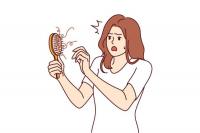
Calcium deficiency is not a common or direct cause of hair loss. However, it may indirectly contribute to poor hair health when accompanied by poor nutrition or other nutrient deficiencies. Low calcium levels might affect vital functions that support skin and scalp health.
Therefore, if experiencing persistent hair loss, it's advised not to assume calcium deficiency alone is the cause. Consult a doctor for necessary tests to determine the real reason.
How Does Calcium Affect Hair Health?
Calcium plays a crucial role in many bodily functions and may help in:
- Supporting cell division.
- Maintaining skin and scalp health.
- Contributing indirectly to hair follicle functions.
- Supporting necessary enzyme and hormone functions.
Despite this, current scientific evidence suggests that additional calcium intake alone does not treat hair loss unless there is a confirmed deficiency.
Symptoms of Calcium Deficiency
Calcium deficiency may lead to several symptoms, including:
- Muscle cramps.
- Numbness in hands or feet.
- Brittle and weak nails.
- Fatigue and tiredness.
- Weak teeth.
- Severe cases may experience irregular heartbeats.
Other Causes of Hair Loss
In many cases, hair loss is linked to more common causes, such as:
- Iron deficiency.
- Vitamin D deficiency.
- Zinc deficiency.
- Thyroid disorders.
- Hormonal changes.
- Stress and mental pressure.
- Genetic factors.
- Certain medications.
Best Natural Sources of Calcium

Calcium can be obtained by consuming:
- Milk and its derivatives.
- Yogurt.
- Cheese.
- Sardines and salmon with bones.
- Almonds.
- Sesame seeds and tahini.
- Broccoli.
- Kale.
- Dark leafy greens.
When to Consult a Doctor?
Consult a doctor if:
- Hair loss persists for several months.
- There is severe or sudden hair loss.
- Visible bald patches appear on the scalp.
- Accompanied by other symptoms like fatigue or muscle cramps.
- Suspected deficiencies in vitamins or minerals.
The doctor may recommend tests like calcium, iron, vitamin D levels, and thyroid functions based on the case.
Tips for Maintaining Healthy Hair
To help maintain healthy hair, ensure:
- A balanced diet.
- Adequate protein intake.
- Obtaining essential vitamins and minerals.
- Avoiding stress whenever possible.
- Proper scalp care.
- Limiting the use of chemical products.
- Consulting a doctor before taking dietary supplements.
In conclusion, calcium deficiency is not a main cause of hair loss. However, it may indirectly affect hair health if it comes with poor nutrition or other nutrient deficiencies. Therefore, diagnosing the cause of hair loss depends on thorough medical evaluation, while ensuring a balanced diet and essential nutrients is key to maintaining healthy hair and body.
See also: