


Calcium deficiency is a common health issue that can impact the health of your bones, teeth, muscles, and nerves. It occurs when the body doesn’t get enough calcium through diet, or due to poor absorption or low vitamin D levels. This can lead to symptoms such as muscle cramps, tingling, fatigue, and bone weakness.
In minor cases, enhancing calcium levels can be achieved by following a healthy diet and adjusting daily habits. However, severe deficiencies with evident symptoms should be addressed by consulting a healthcare professional to diagnose the cause and recommend the appropriate treatment.
Symptoms of Calcium Deficiency
Symptoms may vary among individuals and can include:
- Muscle cramps and pain.
- Numbness or tingling in hands and feet.
- Weak and brittle nails.
- Tooth decay or weakening.
- Constant fatigue and tiredness.
- Severe cases might lead to heart rhythm disturbances.
- Over time, bones may become brittle.
Natural Ways to Improve Calcium Levels and Support Bone Health
1. Eat Calcium-Rich Foods
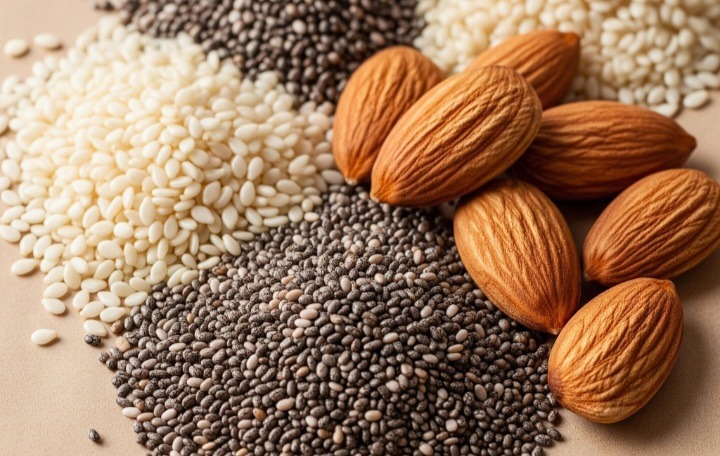
Diet is the best way to naturally raise calcium levels. Key sources include low or full-fat milk, yogurt, cheese, canned sardines and salmon with bones, sesame seeds, tahini, almonds, broccoli, kale, and spinach, though absorption from these may be lower due to oxalates and dried figs.
2. Get Adequate Vitamin D
Vitamin D helps the body efficiently absorb calcium. Sources include:
- Exposure to sunlight for 10–20 minutes several times a week depending on skin type and weather.
- Fatty fish like salmon and tuna.
- Eggs.
- Vitamin D-fortified foods.
3. Regular Exercise
Regular exercise strengthens bones and encourages the body to maintain bone density. The best exercises include:
- Walking.
- Climbing stairs.
- Resistance exercises.
- Light weightlifting.
- Balance exercises.
4. Limit Beverages That Affect Calcium Absorption
Excessive consumption of certain drinks can reduce calcium benefits. These include large amounts of carbonated drinks, excessive caffeine, and sugary beverages.
5. Maintain a Balanced Diet
Ensure your diet includes:
- Healthy proteins.
- Leafy greens.
- Fresh fruits.
- Whole grains.
- Healthy fats.
Foods to Quickly Boost Calcium Levels
Top choices are milk and its derivatives, yogurt, cheese, sardines, sesame seeds, tahini, almonds, broccoli, dried figs, and chia seeds.
Can Calcium Supplements Be Used?
A doctor may recommend calcium supplements if the diet alone is insufficient or if tests indicate a significant deficiency.
Tips for Using Supplements:
- Do not take them without consulting a doctor or pharmacist.
- Follow the recommended dosage.
- Consider splitting the dose into two if it’s large.
- Inform your doctor about other medications to avoid interactions.
Habits to Prevent Calcium Deficiency
- Consume balanced meals daily.
- Engage in regular physical activity.
- Get moderate sun exposure.
- Keep vitamin D levels normal.
- Quit smoking.
- Reduce excessive salt and caffeine intake.
When to See a Doctor?
Home treatment alone is not enough if severe symptoms appear or the issue persists. It is advisable to see a doctor if:
- Frequent and severe muscle cramps.
- Consistent numbness in face or limbs.
- Heartbeat irregularities.
- Frequent fractures or brittle bones.
- Suspected severe calcium or vitamin D deficiency.
Conclusion
Treating calcium deficiency at home can be effective in mild cases by consuming calcium-rich foods, obtaining vitamin D, and exercising. However, a medical diagnosis remains important to determine the cause of the deficiency and establish an appropriate treatment plan, especially if symptoms are severe or persist.
Also see: