


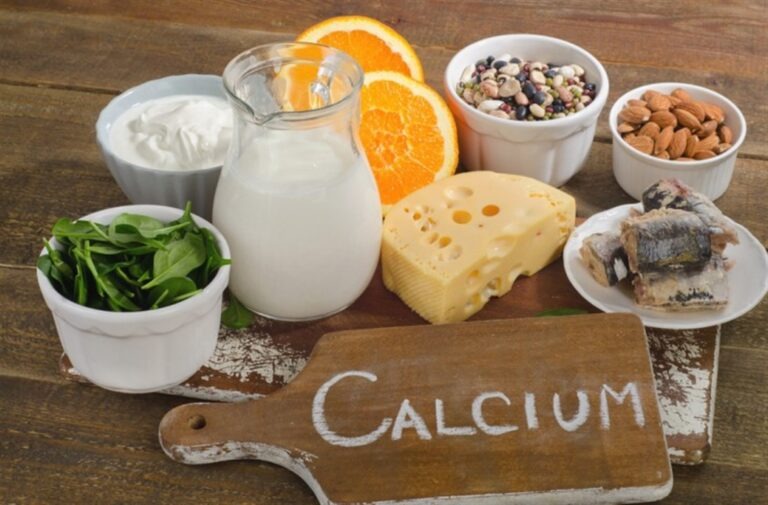
Calcium is a crucial component of a healthy diet, being an essential mineral for building strong bones and teeth. It also plays a vital role in muscle contraction, heart rhythm regulation, and nerve signal transmission.
The body needs a daily intake of calcium from food, as it cannot produce it alone. A deficiency in calcium leads the body to draw from calcium stored in bones, increasing the risk of osteoporosis over time.
Why Does the Body Need Calcium?
Calcium supports several key functions in the body, including:
- Building and maintaining strong bones and teeth.
- Supporting normal muscle function.
- Regulating heartbeats.
- Aiding in blood clotting.
- Supporting nerve functions.
- Reducing the risk of osteoporosis with age.
The importance of calcium is heightened for children, teenagers, pregnant women, and the elderly, due to their increased daily requirements.
Top Calcium-Rich Foods

1. Dairy Products
Dairy products are a traditional and common source of calcium, known for easy absorption due to the presence of lactose. Often, they are fortified with vitamin D.
Notable examples include:
- Parmesan cheese, providing about 331 mg of calcium per 28 grams.
- Yogurt, supplying up to 30% of the daily requirement per cup (245 grams).
- Cow's and goat's milk, offering between 276 and 352 mg per cup.
2. Fish with Edible Bones
Canned fish are among the richest natural sources of calcium, thanks to their soft, edible bones.
Best options:
- Canned sardines, covering about 27% of the daily requirement per can (92 grams).
- Canned salmon, providing around 19% of the daily need per can (85 grams).
These fish also supply vitamin D and omega-3 fatty acids, supporting bone and heart health.
3. Seeds and Nuts
Seeds and nuts offer good calcium levels, alongside healthy fats and fiber.
Key examples include:
- Sesame seeds, offering around 9% of the daily requirement per tablespoon.
- Chia seeds, an excellent source of calcium, fiber, and omega-3s.
- Almonds, with about 385 mg of calcium per cup of raw almonds.
4. Calcium-Rich Vegetables
These provide substantial calcium amounts, especially for those avoiding dairy.
Best vegetables:
- Broccoli.
- Cabbage.
- Bok choy.
- Arugula.
- Okra.
Spinach and chard have high calcium levels but are less absorbable due to oxalates.
5. Calcium-Rich Fruits
While not primary sources, some fruits offer good calcium, especially when dried.
Notables include:
- Dried figs, with about 162 mg of calcium per 100 grams.
- Oranges.
- Kiwis.
- Blackberries.
- Guavas.
6. Legumes and Soy Products
Legumes are vital for vegetarians to boost daily calcium intake.
Main sources:
- White beans.
- Chickpeas.
- Lentils.
- Calcium-fortified tofu.
- Soybeans.

Recommended Daily Calcium Intake
Calcium needs vary by age and gender. Most adults require about 1000 mg daily, increasing to 1200 mg for the elderly and postmenopausal women, while children and teens need adequate amounts for bone growth.
Enhancing Calcium Absorption
In addition to consuming calcium-rich foods, focus on absorption aids.
Key tips include:
- Ensuring sufficient vitamin D through moderate sun exposure or fortified foods.
- Regular physical activity.
- Spreading calcium intake across meals.
- Limiting excessive salt and soda intake.
- Moderating caffeine consumption.
A balanced diet maximizes calcium absorption from food.
Who Is at Risk for Calcium Deficiency?
Some groups are more prone to calcium deficiency, such as:
- Older adults.
- Postmenopausal women.
- Pregnant and breastfeeding women.
- Lactose intolerant individuals.
- Vegetarians not consuming fortified foods.
- Those with vitamin D deficiency.
Thus, diversifying calcium sources is advised in daily diets.
In conclusion, calcium is essential for healthy bones, teeth, and muscles, found in dairy, fish, seeds, nuts, vegetables, fruits, and legumes.
By prioritizing vitamin D intake and maintaining a balanced diet, the body better utilizes calcium, aiding in osteoporosis prevention and overall long-term health.
See also
How to Address Calcium Deficiency at Home