


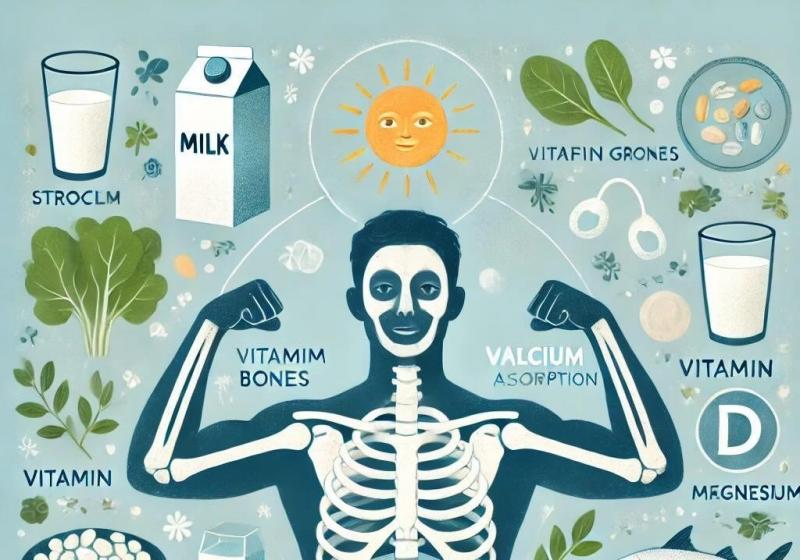
Magnesium is one of the essential minerals needed by the body to maintain the health of bones, muscles, and nerves. Despite calcium and Vitamin D often receiving the most attention when it comes to bone health, magnesium plays a critical role in regulating calcium usage within the body and supporting bone formation.
Adequate magnesium intake aids in maintaining bone density and reducing the risk of skeletal issues, especially as we age. Consuming magnesium-rich foods or supplements under medical guidance is a key component of a healthy lifestyle.
Importance of Magnesium for Bones
Magnesium is involved in several vital processes related to bone health, such as:
- Assisting in bone formation and maintaining structure.
- Regulating calcium and Vitamin D levels.
- Supporting the activity of cells responsible for building bones.
- Contributing to the maintenance of bone mineral density.
- Reducing factors that may lead to bone weakness.
Benefits of Magnesium in Strengthening the Skeletal System and Preventing Weakness
1- Enhancing Bone Density
Magnesium helps in sustaining bone strength through its role in creating the bone matrix, which provides bones with sturdiness and flexibility. Ensuring adequate amounts, particularly among individuals prone to lower bone density, is crucial.
2- Improving Calcium Absorption
Magnesium works in balance with calcium, assisting the body in properly using calcium. A magnesium deficiency can disrupt calcium balance, affecting long-term bone health.
3- Supporting Vitamin D in the Body
The body needs magnesium to help activate Vitamin D, essential for calcium absorption and bone strengthening. Magnesium deficiency may indirectly impact the body's Vitamin D utilization.
4- Preventing Osteoporosis
Studies link low magnesium levels with reduced bone density, particularly in older adults. Maintaining adequate magnesium levels supports bone health and lowers osteoporosis risk.
5- Reducing Muscle Cramps Linked to Mineral Deficiency
Magnesium not only affects bone health but also supports muscle health, aiding in improved movement and reducing cramps that might hinder physical activity crucial for bone strength maintenance.
Symptoms of Magnesium Deficiency
Signs of low magnesium levels include muscle cramps, fatigue, muscle weakness, sleep disorders, tingling of extremities, irregular heartbeat in severe deficiency, and long-term bone health deterioration.
Best Natural Sources of Magnesium
You can obtain magnesium from various foods, such as: Nuts and Seeds:
- Almonds
- Cashews
- Pumpkin seeds
- Sesame seeds
Vegetables:
- Spinach
- Dark leafy greens
- Broccoli
Other Foods:
- Whole grains
- Legumes
- Dark chocolate
- Avocado
Does the Body Need Magnesium Supplements for Bones?
Some individuals may require magnesium supplements if a deficiency is confirmed or if unable to obtain adequate amounts from diet. It is advisable not to take supplements for extended periods without medical consultation, particularly for those with kidney issues or on certain medications.
Tips for Maintaining Bone Health
Alongside magnesium intake, the following habits bolster bone strength:
- Consuming sufficient calcium.
- Maintaining adequate Vitamin D levels.
- Engaging in resistance exercises and walking.
- Moderate sun exposure.
- Avoiding smoking.
- Reducing excessive soda consumption.
Conclusion
Magnesium significantly impacts bone health by supporting bone formation, regulating calcium, and aiding Vitamin D function. Maintaining appropriate magnesium levels through a balanced diet or supplements as needed can help protect and enhance bone strength over the long term.
See also
Symptoms of Magnesium Deficiency in Men