


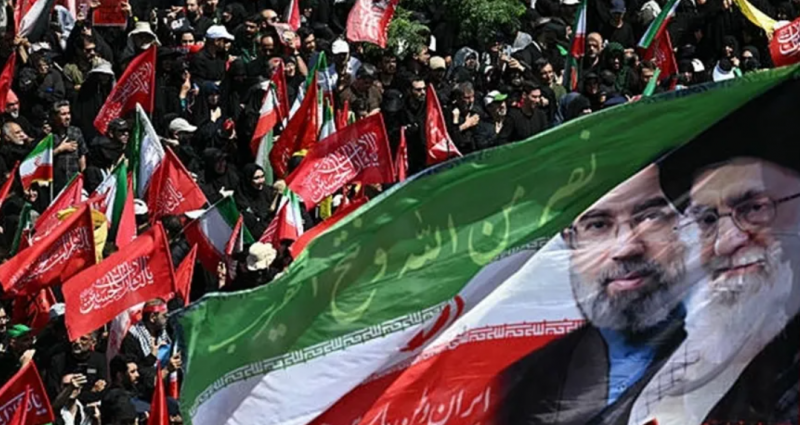
Iran's new Supreme Leader, Mojtaba Khamenei, has vowed revenge for the killing of his father, the late Supreme Leader Ali Khamenei, in a written message posted on the Supreme Leader's Telegram account and circulated in Iranian media. This marks his first political statement since the week-long funeral processions concluded.
In the message, Khamenei promised to avenge his father's death and the blood of all martyrs from the two wars against the 'shameful murderers.' He stated: "This revenge is our nation's demand and must be realized."
He also declared that carrying out this revenge "does not depend on my presence or any other official's presence" and that "whether we are here or not, this task will be completed, and the free people of the world will soon accomplish every part of this divine mission."
Ali Khamenei, who ruled Iran for 37 years, was killed on the first day of the war, February 28, in a joint US-Israeli airstrike targeting his residence in Tehran, along with several family members, including his 14-month-old granddaughter, his daughter, son-in-law, and Mojtaba's wife.
Mojtaba himself sustained serious injuries in the attack, with sources indicating he suffered facial disfigurement and severe injuries to one or both of his legs, with US intelligence sources suggesting he lost a leg.
He assumed the role of Supreme Leader on March 8, but has not made any public appearances since, only issuing written statements, raising calls from Iranians to appear publicly even if injured, according to Reuters.
Khamenei's speech has raised questions about the identity of the "killers" he has vowed to retaliate against without naming, and the meaning of his reference to the "free people of the world." There is speculation on whether this signifies a shift in Iran's policy or is primarily aimed at bolstering his legitimacy amid his continued absence from public view.
In this context, Newsweek described Khamenei's vow of revenge as coming at "a time when ceasefire talks are collapsing and both sides are exchanging threats and strikes." The statement "threatens to further destabilize the Middle East and might disrupt global energy markets and international shipping lanes," the magazine warned.
Newsweek also noted that Khamenei's continued absence from public appearances and reliance on written statements has "fueled speculation about his health and ability to control the reins of power," making his vow of revenge both "personal and political."
Political analyst Baqer Sajad commented on Khamenei's statement, saying it carries "a clear escalation rhetoric," noting that the Iranian leader "has vowed to avenge his father's blood and the blood of war martyrs, asserting that this revenge will inevitably happen, regardless of who remains in power."
Sajad added via his "X" platform account that this position "implicitly rejects any compromise on fundamental issues and weakens the narrative of an Iranian desire for settlement or de-escalation."
Iranian affairs analyst Gregory Brew noted that the statement portrays revenge as a national and religious duty rather than an immediate personal goal, encouraging escalatory rhetoric while Iranian diplomats continue negotiations. The frequent comparison between the elder Khamenei and Imam Hussein "will likely be prominent in official propaganda going forward."
Meanwhile, Axios pointed out that the letter did not specifically mention "President Donald Trump," despite widespread public calls for his death during the week's funeral processions.
The statement came shortly after the occupation state informed Washington with intelligence that Iranian officials discussed a plan to assassinate the US president, which Trump responded to by threatening that the US has "1000 missiles" ready and aimed to destroy Iran if any such attempt is made.
Iran's New Supreme Leader Vows Revenge for Father's Killing Amid Ongoing Tensions
Share