


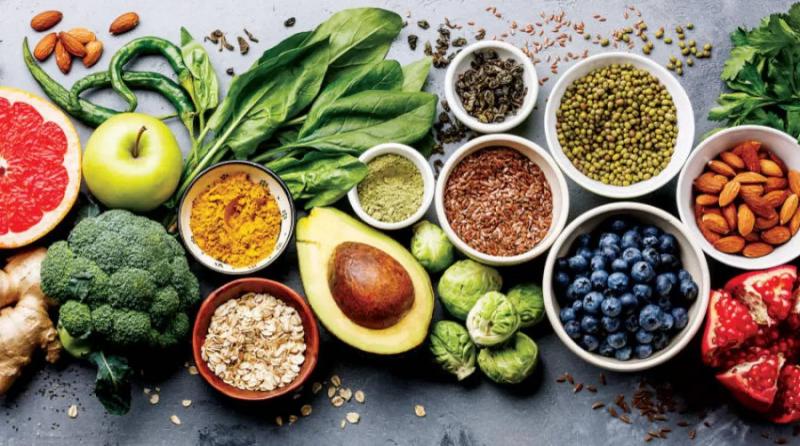
Cholesterol-lowering foods are a fundamental part of any heart-healthy diet. Along with regular physical activity and maintaining a healthy weight, certain foods can aid in reducing bad cholesterol and naturally improving fat balance in the body.
Studies indicate that adhering to a diet rich in fiber and unsaturated fats can lead to noticeable improvements in cholesterol levels within 6 to 12 weeks, especially when combined with a healthy lifestyle.
How Does Food Help Lower Cholesterol?
Bad cholesterol rises due to various factors, including the intake of saturated fats, lack of physical activity, and genetics. Conversely, some foods reduce cholesterol absorption in the intestines or improve the body's ability to eliminate it.
Additionally, foods rich in antioxidants and healthy fats protect arteries from fat accumulation and reduce the risk of heart disease and strokes.
Top 10 Cholesterol-Lowering Foods
1. Oats
Oats top the list of heart-friendly foods, thanks to their soluble beta-glucan fiber, which binds to cholesterol in the intestines, helping to reduce its absorption. Eating a bowl of oats daily is an excellent choice to support heart health and lower bad cholesterol levels.
2. Barley
Barley shares with oats its beta-glucan fiber content, aiding in cholesterol reduction and improving digestive health. Additionally, it provides a lasting feeling of fullness, which may contribute to weight control, a crucial factor for heart health.
3. Legumes
Legumes include beans, lentils, chickpeas, and peas, rich in fiber and plant protein. These foods help reduce fat and cholesterol absorption and serve as a healthy alternative to meats high in saturated fats.
4. Apples, Pears, and Citrus Fruits
These fruits contain soluble pectin fiber, which turns into a gel-like substance in the digestive tract that helps eliminate excess cholesterol. They also offer antioxidants and vitamins that support cardiovascular health.
5. Fatty Fish
Salmon, sardines, mackerel, and tuna are among the best sources of Omega-3 acids. These healthy fats help lower triglycerides, improve good cholesterol levels (HDL), and reduce inflammation linked to heart diseases.
6. Unsalted Nuts
Almonds, walnuts, and pistachios are heart-healthy choices containing monounsaturated and polyunsaturated fats. Studies suggest that consuming a small handful of nuts daily may contribute to lowering bad cholesterol and improving vascular health.
7. Avocado
Avocado is rich in monounsaturated fats and dietary fiber. It also contains plant sterols, which help reduce cholesterol absorption from foods, making it an excellent addition to the diet.
8. Extra Virgin Olive Oil
Olive oil is a key component of the Mediterranean diet, containing oleic acid and strong antioxidants. Replacing butter or margarine with it helps reduce saturated fats and supports heart health.
9. Spinach, Broccoli, and Cabbage
Leafy and cruciferous vegetables are rich in fiber, antioxidants, and vitamins. They also help reduce inflammation, protect arteries from fat build-up, and improve overall health.
10. Fiber-Rich Seeds
Flaxseeds and chia seeds are excellent sources of fiber and plant-based Omega-3 fatty acids. Adding them to yogurt, salads, or oats supports heart health and helps lower cholesterol levels.
Foods to Avoid for Cholesterol Reduction
Healthy eating alone isn't enough; it's also crucial to reduce consumption of certain foods that may raise bad cholesterol levels, including:
- Trans fats found in fast foods, pastries, and industrial baked goods.
- Saturated fats found in fatty meats, butter, margarine, and full-fat dairy products.
- Processed meats like sausages, mortadella, and salami.
- Fried foods that contain large amounts of unhealthy fats.
- Processed sweets high in sugars and fats.
Tips for Faster Cholesterol Reduction
To enhance the effects of a healthy diet, it's beneficial to adopt certain healthy habits, such as:
- Engaging in at least 150 minutes of physical activity weekly.
- Maintaining a healthy weight.
- Quitting smoking.
- Reducing the intake of sugars and sweetened beverages.
- Drinking plenty of water.
- Regularly monitoring cholesterol levels.
When to Expect Results from a Diet?
The response speed varies depending on age, health condition, cholesterol level, and lifestyle. However, medical recommendations suggest that following a healthy diet combined with regular exercise might show noticeable improvements in lipid profile tests within 6 to 12 weeks. Some individuals may require cholesterol-lowering medications as per medical evaluation.
Ultimately, choosing cholesterol-lowering foods significantly enhances heart health and reduces the long-term risk of vascular diseases.
For optimal results, it is important to combine healthy diet, physical activity, and regular medical follow-ups, especially for those with high cholesterol or cardiac risk factors.
See Also
Is it Safe to Take Multiple Vitamins Together?