


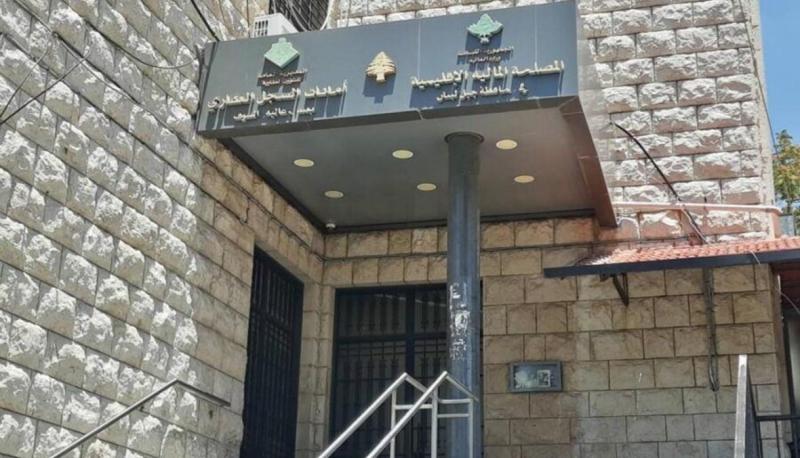
Registering property in Lebanon is an essential legal procedure that ensures the official transfer of property ownership, protecting the rights of all parties involved. Once a property is registered with the Land Registry, the buyer becomes the legal owner, obtaining an official title deed confirming their right to sell, mortgage, or bequeath the property.
The transfer of property ownership in Lebanon is overseen by the Directorate General of Real Estate Affairs and involves specific procedures. These include verifying the property's legal status, drafting the sales contract, preparing the necessary documents, and then registering the transaction at the relevant Land Registry office. Adhering to these procedures helps avoid legal disputes and ensures a smooth purchase and sale process.
This guide will walk you through the property registration process in Lebanon, detailing the necessary steps, required documents, key fees, and important tips before completing a purchase.
What Does Property Registration Mean?

Property registration is the legal process through which ownership is transferred from the seller to the buyer in the official Land Registry. This makes the buyer the legal property owner once a title deed is issued in their name.
Property types include:
- Residential apartments;
- Lands;
- Villas;
- Commercial stores;
- Offices;
- Industrial and agricultural properties.
Steps to Register Property in Lebanon
1. Verify the Property’s Legal Status
The registration process begins with obtaining a recent property statement to confirm:
- The seller's ownership;
- No judicial seizures;
- No existing mortgages or liens;
- Property description matches reality;
- No registered rights on the property.
This step is crucial before making any payment.
2. Draft the Sales Contract
After confirming the legal status, a sales contract is drafted between the parties, which can be:
- An official sales contract;
- A notarized sales contract;
- A legally organized sales contract.
The contract must include:
- Seller and buyer details;
- Property number and area;
- Sale price;
- Payment method;
- Both parties’ signatures.
3. Prepare Required Documents
Before submitting the application, gather all required documents to ensure a swift transaction.
Documents typically include:
- Original title deed;
- ID or passport copies;
- Signed sales contract;
- Recent property statement;
- Rental value statement if applicable;
- Receipts for required fees and taxes;
- Legal power of attorney if a representative is involved.
4. Submit the Transaction to the Land Registry
Once the file is complete, submit it to the appropriate Land Registry office in the province where the property is located. Staff will review the documents to ensure they meet legal conditions.
5. Pay Legal Fees
Fees are collected according to Lebanese laws and may include:
- Ownership transfer fees;
- Registration fees;
- Municipal fees, if applicable;
- Taxes and financial dues.
Fees vary based on property type, value, and applicable regulations.
6. Issue New Title Deed
After completing procedures and getting transaction approval, the property is registered in the buyer’s name, and a new title deed is issued, officially confirming ownership transfer.
Required Documents for Property Registration
Most registration transactions require:
- Original title deed;
- Duly signed sales contract;
- Seller's ID copy;
- Buyer's ID copy;
- Recent property statement;
- Rental value statement if needed;
- Fee and tax receipts;
- Official power of attorney if there's a representative.
Real estate offices may require additional documents depending on the property type or transaction nature.
How Long Does Property Registration Take?
Transaction completion time varies based on:
- Land Registry workload;
- Document completion;
- Any legal notes;
- Speed of fee payment.
The process can take from a few days to several weeks.
Tips Before Buying and Registering Any Property
Before completing a purchase, it’s advised to:
- Request a recent property statement;
- Ensure there’re no mortgages or seizures;
- Review property area and boundaries;
- Ensure property matches permits;
- Keep copies of all documents;
- Consult a lawyer if legal complexities arise.
Common Mistakes Delaying Property Registration
Common causes of registration delay include:
- Missing documents;
- Expired property statement;
- Unpaid mortgage;
- Errors in personal data;
- Unpaid required fees;
- Legal disputes over the property.
The Importance of Property Registration
Registering property:
- Protects owner rights;
- Officially proves ownership;
- Facilitates future sales or mortgages;
- Avoids legal disputes;
- Ensures proper ownership transfer.
Conclusion
Registering property in Lebanon is the final and crucial step after completing a sale. It grants the buyer a legal ownership title, preserving their rights and officially confirming the property transfer. Always verify the property's legal status, prepare all required documents, and adhere to established procedures at the Land Registry for a quick and unhindered transaction.
See Also