



Many people are searching for effective methods to eliminate dark spots and pigmentation, which affect the appearance of the skin and cause uneven tone. These spots may appear on the face, hands, or other body parts due to prolonged sun exposure, acne scars, hormonal changes, or aging.
Even though there are numerous creams and home remedies, addressing pigmentation requires a comprehensive approach that combines daily prevention, proper care, and the use of effective ingredients targeting melanin production. Therefore, understanding the root causes of the problem is the first step to achieving clear, safe results.
What Causes Pigmentation and Dark Spots?
Pigmentation occurs when skin cells produce excessive amounts of melanin, the pigment responsible for natural skin color.
The most common causes include:
-Excessive sun exposure.
-Acne scars and skin inflammations.
-Melasma linked to hormonal changes.
-Pregnancy and certain contraceptives.
-Aging.
-Certain medications and health conditions.
Moreover, neglecting sun protection can worsen existing pigmentation and make treatment more challenging over time.
The Golden Step to Eliminate Pigmentation and Dark Spots
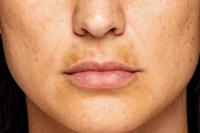
Daily Sunscreen Use
Sunscreen is crucial in any plan aimed at treating pigmentation since UV rays are the primary trigger for melanin production and darkening of existing spots.
Dermatologists recommend using a sunscreen with at least SPF 30 daily, reapplying it every two hours when outdoors for extended periods.
Additionally, it is preferable to use sunscreens containing iron oxide, especially tinted ones, as they offer extra protection against visible light that may worsen melasma and dark spots.
The Best Ingredients for Treating Pigmentation
Vitamin C
Vitamin C is among the most popular ingredients for skin brightening due to its antioxidant properties. It helps reduce the impact of free radicals produced by sun exposure. It's best used in the morning before sunscreen to boost protection and prevent pigmentation worsening.
Niacinamide
Niacinamide reduces melanin transfer to the skin's surface layer, gradually evening out skin tone. It also has soothing properties that support the skin's natural barrier and reduce redness and inflammation.
Azelaic Acid
Azelaic acid is a safe and effective option for pigmentation caused by acne and melasma, suitable for most skin types, including sensitive skin. It helps reduce inflammation and gradually improves skin tone.
Retinoids
This category includes retinol and tretinoin, which speed up skin cell renewal and rid the skin of pigmented cells. They are usually used at night only, with mandatory sunscreen during the day to avoid increased skin sensitivity.
Alpha Hydroxy Acids (AHAs)
Glycolic and lactic acids gently exfoliate surface skin layers, improving the appearance of superficial pigmentation and enhancing skin radiance. They should be used two to three times a week based on skin type and tolerance.
Daily Routine for Brightening Pigmentation
Morning Routine
Cleansing
Start with a gentle cleanser suitable for your skin type to remove oils and impurities.
Apply Vitamin C Serum
Helps protect the skin from environmental factors and enhances its glow.
Use a Suitable Moisturizer
Maintains the skin barrier and reduces dryness and irritation.
Apply Sunscreen
This is the most crucial step to maintain treatment results and prevent new spots.
Evening Routine
Cleansing
Remove makeup and daily accumulated impurities.
Use Treatment Ingredients
Such as retinol or azelaic acid or niacinamide based on skin needs.
Moisturizing
Helps reduce irritation from active ingredients and maintains skin health.

Medical Treatments for Deep Pigmentation
Hydroquinone
Hydroquinone is one of the most effective medical treatments for inhibiting melanin production. However, it should be used under the supervision of a dermatologist and for a limited time to avoid potential side effects.
Chemical Peels
Use specific concentrations of medical acids to remove damaged skin layers and stimulate the growth of more uniform skin cells. Especially used for melasma, acne scars, and stubborn pigmentation.
Laser and IPL Technology
Laser sessions and intense pulsed light are advanced options for deep pigmentation treatment. These technologies target and precisely break down melanin, improving skin color in multiple sessions as determined by the specialist.
Mistakes That Delay Pigmentation Treatment
Neglecting Sunscreen
Even the best creams won't yield satisfactory results if sun protection isn't used daily.
Over-exfoliation
Excessive exfoliation can irritate the skin and stimulate more melanin production.
Trying Harsh Home Remedies
Using concentrated lemon or irritating materials may cause inflammation and burns, worsening pigmentation instead of treating it.
Stopping Treatment Early
Most pigmentation requires weeks or months of commitment before visible results appear.
When to See a Dermatologist?
A doctor should be consulted if pigmentation is widespread, deep, or unresponsive to home treatments after several months. Also, a specialist should be seen if new spots suddenly appear, or moles or skin lesions change color.
In conclusion, eliminating pigmentation and dark spots begins with daily sun protection, followed by the use of effective ingredients like Vitamin C, niacinamide, azelaic acid, and retinoids. With commitment and patience, significant improvements can be achieved, restoring a brighter and more even skin tone.
See also
Best Beauty Centers in Central Beirut