


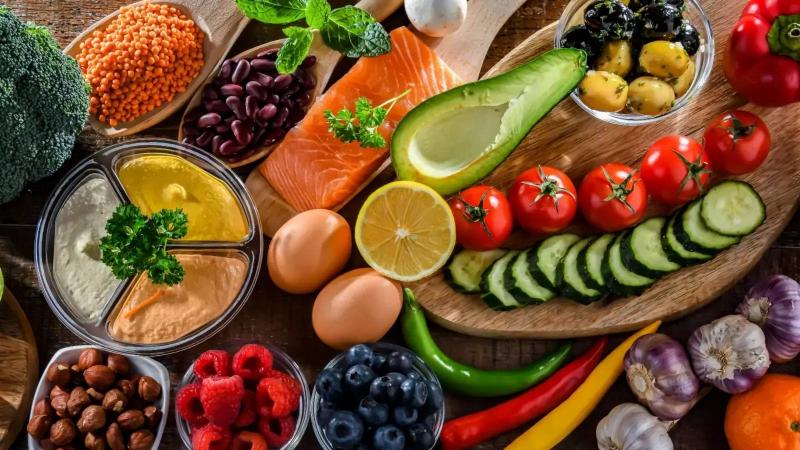
Many women are seeking foods to help manage polycystic ovary syndrome (PCOS) as a healthy diet is crucial in handling this hormonal condition. Along with medical treatments and professional guidance, a balanced diet can improve insulin response, reduce inflammation, and support hormonal balance.
Research indicates that insulin resistance is linked to a significant number of PCOS cases. Thus, choosing the right foods is vital in alleviating symptoms, regulating menstrual cycles, and maintaining a healthy weight.
How Does Diet Affect PCOS?
PCOS affects how the body processes insulin, which regulates blood sugar levels. High insulin resistance can lead to increased androgen production, exacerbating symptoms such as menstrual irregularities, excess hair growth, and acne.
A balanced diet helps stabilize blood sugar fluctuations and improves insulin sensitivity, positively impacting hormonal balance.
Low Glycemic Index Foods
Whole Grains
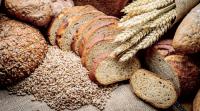
Whole grains are excellent dietary choices for those with PCOS as they digest slowly and stabilize blood sugar levels.
Examples include:
- Whole oats.
- Quinoa.
- Bulgur.
- Brown rice.
- Whole-grain bread.
These foods also contain fiber, promoting satiety and aiding in weight management.
Legumes
Legumes are high in plant protein and fiber, making them excellent for maintaining stable sugar levels.
Notable ones include:
- Lentils.
- Chickpeas.
- Beans.
- Fava beans.
They also provide sustained energy and help reduce sudden hunger pangs.
Anti-inflammatory Foods
Fatty Fish
Fatty fish are rich in Omega-3 fatty acids, known for their strong anti-inflammatory properties.
Top choices are:
- Salmon.
- Sardines.
- Mackerel.
- Tuna.
These healthy fats may support regular menstrual cycles and improve heart health in women with PCOS.
Dark Leafy Greens
Leafy greens are packed with vitamins, minerals, and antioxidants.
Key examples include:
- Spinach.
- Arugula.
- Broccoli.
- Kale.
These contain iron, magnesium, and nutrients that promote body health and reduce inflammation.
Healthy Fats
Healthy fats play a significant role in hormone production and maintaining hormonal balance.
Best sources include:
- Extra virgin olive oil.
- Avocado.
- Almonds.
- Walnuts.
- Hazelnuts.
In contrast, it's best to avoid trans fats found in processed foods.
Beneficial Spices
Certain spices contain natural compounds that may enhance the body's insulin response.
Notable ones include:
- Cinnamon.
- Turmeric.
- Ginger.
Some studies suggest cinnamon may improve blood sugar levels in women with PCOS.
Fiber-rich Foods
Cruciferous Vegetables
Vegetables high in fiber improve digestion and promote feelings of fullness.
Key examples are:
- Cauliflower.
- Broccoli.
- Brussels sprouts.
- Cabbage.
They may also aid in eliminating excess hormones and maintaining hormone balance in the body.
Flaxseeds
Flaxseeds are excellent sources of fiber and plant-based Omega-3s, ideal for adding to yogurt, oats, or smoothies for nutritional benefits.
Chia Seeds
Rich in fiber and protein, chia seeds help prolong feelings of fullness and enhance blood sugar control.
Optimal Proteins for Women with PCOS
It is advisable to focus on lean protein sources to support weight loss and improve insulin sensitivity.
These include:
- Skinless chicken.
- Turkey.
- Fish.
- Eggs.
- Greek yogurt.
- Legumes.
Additionally, protein can help curb sugar cravings between meals.
Foods and Habits to Avoid

Refined Sugars
Added sugars may cause rapid blood sugar spikes and increase insulin resistance.
Examples include:
- Sweets.
- Soft drinks.
- Sweetened juices.
- Sugary baked goods.
White Carbohydrates
Include:
- White bread.
- Large quantities of white rice.
- Pasta made from white flour.
Preferably, these should be replaced with whole grains.
Processed Foods
Processed foods often contain high levels of unhealthy fats, sugars, and additives.
Examples are:
- Fast foods.
- Potato chips.
- Fried foods.
- Processed meats.
Excessive Sleep Deprivation and Lack of Activity
Though not foods, these habits directly influence insulin resistance and hormonal balance. Thus, sufficient sleep and regular physical activity are recommended.
A Day of Meals Suitable for PCOS
Breakfast
Oats with chia seeds, cinnamon, and a handful of almonds.
Lunch
Grilled salmon with brown rice and a green salad.
Snack
Greek yogurt with flaxseeds.
Dinner
A large salad with grilled chicken breast, avocado, and olive oil.
In conclusion, foods that aid in managing PCOS can significantly improve symptoms and support hormonal balance, particularly by focusing on whole grains, legumes, fiber-rich vegetables, fatty fish, and healthy fats.
Conversely, reducing sugars and processed foods can enhance insulin sensitivity and decrease inflammation. With a balanced diet and healthy lifestyle practices, many women may experience noticeable improvements in PCOS symptoms and overall quality of life.
See Also:
Removing Dark Spots and Pigmentation